



Map of Bali Island
Discover Bali Island, Indonesia – Geography, Natural Beauty, Rice Terraces, and Tourist Attractions
Bali Island: An Introduction to the Island of the Gods
Bali is one of Indonesia’s most beautiful and popular tourist destinations, renowned for its stunning natural landscapes, tropical climate, rich cultural heritage, traditional villages, and world-famous beaches. Located east of Java, Bali lies approximately 8 to 9 degrees south of the equator, making it an ideal destination for travelers seeking sunshine, outdoor adventures, cultural experiences, and relaxing island holidays.
Bali is separated from Java by the narrow Bali Strait and is surrounded by the Indian Ocean to the south and the Bali Sea to the north. Covering approximately 5,780 square kilometers (about 2,230 square miles), the island offers a remarkable variety of landscapes, from volcanic mountains and fertile agricultural valleys to dry coastal hills, tropical forests, and beautiful seaside destinations.
Visitors who explore Bali will discover that the island is much more than a beach destination. Its geographical diversity creates different environments, lifestyles, agricultural traditions, and tourist attractions throughout the island. Whether you are planning a Bali sightseeing tour, a family holiday, a cultural journey, or a private island trip with a local driver, Bali offers countless places to explore.
Bali’s Mountain Range and Natural Landscape
One of the most distinctive geographical features of Bali is its central mountain range, which stretches from west to east across the island. Important landmarks include Mount Batukaru in the west and Mount Agung in the east, with volcanic highlands, lakes, forests, and fertile valleys in between.
These mountains influence Bali’s climate, rainfall, agriculture, and natural scenery. The island’s central highlands receive more rainfall than many coastal areas, helping create the fertile conditions required for rice cultivation and other agricultural activities.
The mountain range also divides Bali into northern and southern lowland regions. The northern coastal plain is generally narrower than the southern region, and in several places the mountains approach the sea, creating dramatic coastal scenery. Areas around Pulaki in western North Bali and Ponjok Batu in the east are examples of locations where the mountainous landscape meets the coastline.
For visitors, Bali’s mountainous interior provides opportunities to enjoy panoramic viewpoints, scenic drives, traditional villages, botanical attractions, and refreshing highland destinations. Popular areas such as Bedugul, Kintamani, and the countryside around Mount Batukaru are particularly attractive for sightseeing tours.
North Bali: Coastal Scenery, Agriculture, and Traditional Villages
North Bali has a different atmosphere from the island’s busier southern tourist areas. The coastline varies considerably, with stretches of sandy beaches, pebble-covered shores, rocky headlands, and coastal wetlands. Because of these differences, some northern coastal areas are less suitable for conventional swimming beaches, while others offer excellent opportunities for relaxing by the sea, snorkeling, diving, and enjoying quieter coastal scenery.
Western North Bali is relatively dry and hilly in comparison with the fertile central highlands. In some areas, the landscape is less suitable for irrigated wet-rice farming, so local communities have traditionally depended on other agricultural activities. Coconut plantations are an important feature of parts of the region, alongside other crops adapted to the local climate.
Further east, several coastal villages are known for citrus cultivation. Villages such as Bondalem, Tejakula, and Les are associated with agricultural landscapes and a quieter way of life. These areas offer visitors a chance to experience a different side of Bali, away from the crowds of Kuta, Seminyak, and Canggu.
North Bali is also an appealing destination for travelers interested in local culture, countryside scenery, and coastal exploration. A private Bali tour can combine traditional villages, scenic coastal roads, temples, waterfalls, and viewpoints into a comfortable day trip.
Central Bali: The Island’s Fertile Rice Belt
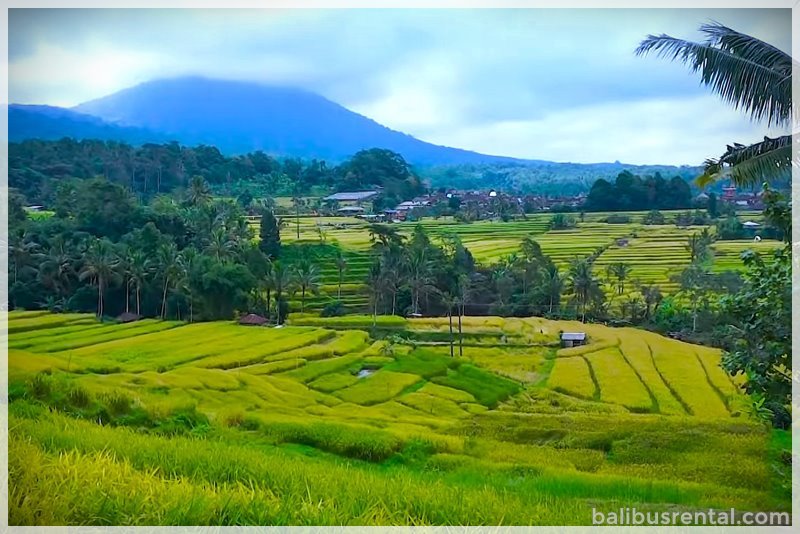
Central Bali is widely recognized for its fertile agricultural land, spectacular rice terraces, traditional irrigation systems, and picturesque rural villages. Areas around Tabanan, Gianyar, Badung, Klungkung, and parts of Bangli have long played an important role in the island’s agricultural economy.
The combination of volcanic soil, tropical rainfall, and traditional irrigation has helped make this region especially suitable for rice cultivation. The result is a landscape of green rice fields, terraced hillsides, coconut trees, small rivers, and villages surrounded by farmland.
Bali’s traditional rice-growing system is closely connected to subak, a community-based irrigation and water-management system that reflects the island’s cultural and spiritual traditions. This system is an important part of Bali’s agricultural heritage and demonstrates the close relationship between local communities, nature, and religious life.
Travelers can experience these landscapes in several popular destinations:
- Ubud: A cultural center famous for traditional arts, local crafts, temples, and surrounding rice fields.
- Tegalalang Rice Terraces: A well-known destination for viewing beautiful terraced rice fields and taking photographs.
- Jatiluwih Rice Terraces: An extensive agricultural landscape in Tabanan, recognized for its cultural significance and scenic beauty.
- Bedugul: A cool highland region known for mountain scenery, gardens, and Lake Beratan.
- Kintamani: A popular sightseeing destination offering impressive views of Mount Batur and its surrounding volcanic landscape.
Central Bali is an excellent choice for travelers who want to experience the island’s natural beauty and cultural traditions in one journey. With a private car or minibus rental with a driver, visitors can explore several locations at their own pace while enjoying the countryside along the way.
South Bali: Beaches, Limestone Hills, and Tourist Destinations
The southern part of Bali is among the island’s most developed tourism regions. It offers a combination of sandy beaches, luxury resorts, restaurants, shopping areas, cultural attractions, and entertainment venues.
The southernmost section of the island forms a limestone peninsula commonly known as Bukit, meaning “hill” in Indonesian. This area has a drier environment and distinctive vegetation compared with Bali’s greener central highlands. Its limestone cliffs, elevated viewpoints, and coastal scenery create a landscape that feels very different from the island’s rice-growing regions.
The Bukit Peninsula includes several popular destinations, such as Uluwatu, Jimbaran, and the beaches around Pecatu. Visitors can enjoy spectacular ocean views, discover coastal temples, relax on beaches, and experience Bali’s famous sunsets.
Other well-known southern destinations include Kuta, Seminyak, Canggu, and Nusa Dua. Each area offers a different holiday atmosphere, from surfing beaches and lively nightlife to upscale resorts and family-friendly facilities.
For tourists arriving at Ngurah Rai International Airport, South Bali is also a convenient starting point for hotel transfers, beach visits, shopping trips, and sightseeing excursions. A Bali car rental with a private driver makes it easier to travel between beaches, restaurants, temples, and accommodation without having to arrange separate transportation for every stop.
East Bali: Dry Coastal Landscapes and Cultural Heritage
East Bali features a varied landscape of volcanic mountains, traditional villages, agricultural areas, and dry coastal regions. The scenery becomes noticeably different in some locations beyond areas such as Kusamba in the south and Yeh Sanih in the north, where rainfall and water availability can be more limited than in the fertile central region.
In some communities, access to water has historically required considerable effort, and local residents have developed ways of adapting to the environment. Agriculture varies according to soil conditions, rainfall, and the availability of irrigation.
Despite its drier areas, East Bali is rich in natural beauty and cultural attractions. Travelers can visit traditional villages, explore historic temples, admire coastal views, and discover the countryside around Mount Agung.
Popular destinations include Besakih Temple, often regarded as Bali’s most important temple complex, and the eastern landscapes around Amed and other coastal villages. The region is also known for traditional salt-making in Kusamba and for its distinctive views of the mountains and sea.
East Bali is an excellent destination for visitors who want to discover the island beyond its busiest resort areas. A sightseeing trip can include temples, local villages, scenic viewpoints, and coastal stops, providing a deeper understanding of Bali’s diverse landscapes and cultural traditions.
Nusa Penida: A Beautiful Island Southeast of Bali
Southeast of mainland Bali lies Nusa Penida, an island known for its dramatic limestone cliffs, dry hills, turquoise waters, and spectacular coastal viewpoints. Although it is geographically close to Bali, Nusa Penida has a landscape and atmosphere that differ from many of the island’s greener central regions.
The island’s limestone terrain and limited surface-water systems make freshwater availability a significant environmental challenge in some areas. Rainfall, groundwater, and local water infrastructure are important to communities living on the island.
Nusa Penida has become a popular destination for travelers seeking dramatic coastal scenery and memorable photographs. Some of its best-known attractions include Kelingking Beach, Broken Beach, Angel’s Billabong, and Crystal Bay. Visitors can also discover traditional villages, coastal viewpoints, and quieter parts of the island.
Travel to Nusa Penida generally involves a boat transfer from mainland Bali, followed by transportation around the island. Because some roads are narrow, steep, or uneven, visitors should plan their itinerary carefully and allow sufficient time to travel between attractions.
A well-organized Bali holiday can combine mainland sightseeing with a separate Nusa Penida excursion, giving travelers the opportunity to experience two distinct island landscapes during one vacation.
Explore Bali’s Natural Beauty with a Private Tour
Bali’s geographical diversity is one of the main reasons the island continues to attract visitors from around the world. Within a relatively compact area, travelers can discover volcanic mountains, fertile rice terraces, tropical forests, traditional villages, limestone cliffs, and beautiful beaches.
The island is also famous for its cultural attractions, including traditional Balinese architecture, Hindu temples, ceremonial traditions, local handicrafts, dance performances, and vibrant village life. Friendly local communities and distinctive customs make exploring Bali a rewarding experience for visitors interested in both nature and culture.
There are many ways to discover the island, depending on your interests and travel schedule. You can enjoy a half-day sightseeing trip, arrange a full-day private tour, visit several attractions over multiple days, or create a personalized itinerary based on your preferred destinations.
For families, couples, and groups, Bali car rental with a driver, private minibus hire, and tourist bus charter services offer convenient ways to explore the island together. These transportation options are suitable for airport transfers, hotel transfers, family holidays, group sightseeing, company outings, weddings, and other special occasions.
With a local driver who knows Bali’s roads and popular destinations, you can spend more time enjoying the scenery and less time worrying about directions and transportation arrangements.
Discover the Many Attractions of Bali Island
Bali is a wonderful destination for travelers who want to combine natural beauty, cultural experiences, relaxation, and adventure. From the green rice terraces of central Bali to the volcanic scenery of Kintamani, the beaches of southern Bali, the traditional villages of the north, and the dramatic cliffs of Nusa Penida, every region has something special to offer.
Whether you are visiting Bali for the first time or returning to explore new destinations, planning your journey around the island’s different landscapes will help you appreciate its unique character.
Choose your favorite attractions, arrange comfortable transportation, and enjoy a memorable Bali holiday filled with beautiful scenery, cultural discoveries, and unforgettable experiences.
Note :
- If you have other request car rental in Bali please E-mail us at : info@balibusrental.com
- Call at Mobile Phone : +62 81 2397 7705 (Mr. Ketut Maryana)