


Interesting Places in Bali: Discover the Island’s Natural Beauty, Culture, and Tourist Attractions
Bali is one of Indonesia’s most beautiful tourist destinations, famous for its spectacular landscapes, tropical beaches, green rice terraces, volcanic mountains, ancient temples, and unique Balinese culture. Known as the Island of the Gods, Bali offers a wonderful combination of natural scenery, traditional villages, cultural experiences, and exciting activities for visitors from around the world. Whether you are planning a family holiday, a honeymoon, a sightseeing tour, or a private trip with friends, there are many interesting places in Bali waiting to be explored.
Located east of Java, Bali lies approximately between 8 and 9 degrees south of the equator. The narrow Bali Strait separates Bali from Java, while the Indian Ocean surrounds much of its southern coastline. Bali covers an area of approximately 5,780 square kilometers, making it a relatively small island with remarkably diverse landscapes and attractions.
From the mountains and lakes of central Bali to the beautiful beaches of southern Bali, the island offers different experiences in every region. Visitors can explore traditional villages, admire terraced rice fields, discover hidden waterfalls, visit sacred temples, enjoy local cuisine, and experience the warm hospitality of the Balinese people.
The Mountain Range and Natural Landscape of Bali
One of the most distinctive geographical features of Bali is its mountain range, which stretches across the island from west to east. Important landmarks include Mount Batukaru in the west, the central highlands with their beautiful lakes, and Mount Agung in the east. These mountains influence Bali’s climate, agriculture, water supply, and natural scenery.
The mountainous region divides the island into northern and southern lowlands. The northern coastal plain is generally narrower than the southern region, and in some locations, the mountains extend almost directly to the sea. This can be seen around Pulaki in western North Bali and the Ponjok Batu area in the east.
The central highlands are particularly attractive to visitors who enjoy cool mountain air, scenic viewpoints, peaceful lakes, and traditional countryside. Popular destinations include Bedugul, Lake Beratan, Lake Buyan, and Lake Tamblingan. These areas are ideal for sightseeing, photography, nature excursions, and relaxing day trips away from the busier coastal resorts.
Mount Agung, Bali’s highest mountain, is an important natural landmark and a sacred place in Balinese Hindu tradition. Mount Batukaru, surrounded by lush vegetation, offers a different atmosphere with forested slopes and quieter countryside. Together, these mountain regions contribute to Bali’s extraordinary natural diversity.
North Bali: Beaches, Mountains, and Traditional Villages
North Bali is known for its quieter atmosphere, traditional coastal communities, scenic mountain roads, and natural attractions. Compared with the busy tourist centers in southern Bali, many parts of the north offer a more relaxed environment for travelers who want to discover another side of the island.
The northern coastline varies considerably from west to east. Some western areas have wetlands and dry coastal landscapes, while central sections feature sandy and pebble beaches. Farther east, rocky shorelines and steep coastal terrain can be found in several locations. Because of these geographical differences, suitable swimming beaches are concentrated in particular areas rather than distributed evenly along the entire northern coast.
Lovina is among the best-known destinations in North Bali, attracting visitors with its coastal scenery, relaxed atmosphere, and opportunities for dolphin-watching excursions. Singaraja, the region’s historic urban center, provides an opportunity to explore local markets, traditional neighborhoods, and northern Balinese life.
Other interesting destinations include the Banjar Hot Springs, Brahmavihara-Arama Buddhist Monastery, and the waterfalls and green landscapes found in the surrounding countryside. Travelers can combine these attractions into a North Bali sightseeing tour.
Agriculture and Citrus Plantations in North Bali
Although some parts of North Bali are relatively dry, agriculture remains an important source of livelihood for local communities. Coconut plantations are found in several coastal areas, particularly in the western part of the region.
The drier climate in parts of northeastern Bali is also suitable for citrus cultivation. Villages such as Bondalem, Tejakula, and Les are associated with agricultural activities and coastal village life. The surrounding landscape provides an interesting contrast to the lush rice fields and tropical forests of central Bali.
Visitors traveling through these villages can observe local farming activities, traditional houses, coastal scenery, and everyday life outside the main tourist areas. Exploring North Bali by private car or minibus with a local driver is a convenient way to discover these less crowded destinations at a comfortable pace.
East Bali: Coastal Scenery, Traditional Culture, and Mount Agung
East Bali offers a combination of dramatic mountain views, traditional villages, historic temples, and distinctive coastal landscapes. The region is particularly appealing to visitors who want to experience Bali’s cultural heritage and natural beauty beyond the island’s most popular resort areas.
Mount Agung dominates much of the eastern landscape and holds great spiritual significance for Balinese Hindus. Its surroundings include traditional communities, agricultural land, and important religious sites.
One of the most famous attractions in East Bali is Besakih Temple, widely known as Bali’s Mother Temple. Located on the slopes of Mount Agung, this extensive temple complex is an important center of Balinese Hindu worship and an outstanding destination for visitors interested in religion, architecture, and local traditions.
Other popular places include Tirta Gangga Water Palace, known for its landscaped gardens, ornamental pools, and stone fountains, and Taman Ujung, a historic water palace surrounded by gardens and scenic views. The coastal area around Amed is also popular for snorkeling, diving, and enjoying the peaceful atmosphere of traditional fishing villages.
The eastern coastline becomes dry in some areas, creating a landscape that differs from the wetter central highlands. This variation makes East Bali an excellent destination for sightseeing tours that combine mountain scenery, cultural attractions, coastal villages, and local food.
Central Bali: The Island’s Fertile Rice Belt
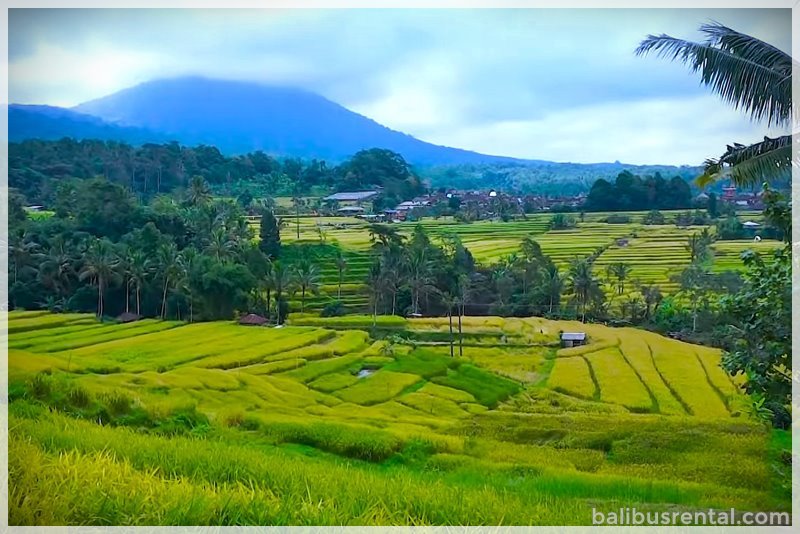
Central Bali is one of the most fertile and picturesque regions of the island. Areas including Tabanan, Gianyar, parts of Badung, Klungkung, and Bangli are associated with productive agricultural land, traditional irrigation systems, and spectacular rice terraces.
The island’s famous green rice fields are closely connected with the traditional subak irrigation system, a community-based method of managing water for agriculture. This system reflects the relationship between farming, community cooperation, and Balinese spiritual traditions.
For many visitors, the rice terraces are among the most memorable attractions in Bali. Their layered green landscapes, coconut palms, small waterways, and surrounding villages create beautiful scenery throughout the year, although the appearance of the fields changes according to the planting and harvesting seasons.
Ubud: Art, Culture, and Beautiful Countryside
Ubud is one of Bali’s most popular cultural destinations. Surrounded by tropical vegetation, rice fields, and traditional villages, Ubud is well known for its art galleries, handicraft shops, temples, local markets, and Balinese cultural performances.
Visitors can explore the Ubud Palace, stroll through the traditional market, discover nearby villages, and enjoy local restaurants overlooking the countryside. The surrounding area also features rice terraces, waterfalls, coffee plantations, and traditional Balinese compounds.
Ubud is an excellent destination for travelers interested in Balinese art, dance, architecture, cuisine, and village life. It can easily be included in a private Bali tour together with other attractions in central and eastern Bali.
Tegalalang Rice Terraces
The Tegalalang Rice Terraces, north of Ubud, are among the island’s most recognizable landscapes. Their steep, layered fields demonstrate the beauty of traditional Balinese agriculture and provide excellent opportunities for photography and countryside walks.
Visitors can admire the scenery from roadside viewpoints, explore selected walking paths, and stop at nearby cafés. Tegalalang is particularly popular with travelers who want to experience Bali’s natural beauty without undertaking a demanding mountain hike.
Bedugul and the Mountain Lakes
Bedugul is a scenic highland destination known for its cooler climate, mountain landscapes, and lake views. One of its most famous attractions is Ulun Danu Beratan Temple, a beautiful lakeside temple complex associated with Lake Beratan.
The region also offers access to botanical gardens, local markets, viewpoints, and countryside routes. Nearby Lake Buyan and Lake Tamblingan are surrounded by forested hills and provide a peaceful setting for nature lovers.
A sightseeing trip to Bedugul is an excellent choice for visitors who want to experience a different climate and landscape from Bali’s southern beaches.
South Bali: Beaches, Limestone Cliffs, and Tourist Resorts
The southern part of Bali is one of the island’s busiest tourism regions. It includes popular destinations such as Kuta, Seminyak, Canggu, Jimbaran, Nusa Dua, and the Bukit Peninsula.
South Bali is famous for its sandy beaches, surf spots, restaurants, shopping areas, beach clubs, luxury resorts, and spectacular sunsets. It also provides convenient access to Ngurah Rai International Airport, making the region a common starting point for visitors arriving on the island.
Kuta is well known for its lively atmosphere and surfing opportunities, while Seminyak offers stylish restaurants, boutiques, and beachside dining. Canggu attracts visitors with its cafés, surf culture, and relaxed coastal lifestyle. Jimbaran is popular for seafood restaurants along the beach, especially around sunset.
Nusa Dua is known for its resort areas, landscaped grounds, and selected beaches suitable for relaxing by the sea. The Bukit Peninsula, meanwhile, features dramatic limestone cliffs, panoramic ocean views, and several beautiful beaches.
The Bukit Peninsula
The southernmost part of Bali is a limestone peninsula commonly known as Bukit, meaning “hill” in Indonesian. Its landscape is noticeably different from the lush agricultural areas of central Bali. The terrain is often drier, with limestone hills, low vegetation, and spectacular cliffs overlooking the Indian Ocean.
Despite its relatively dry environment, the Bukit Peninsula contains some of Bali’s most attractive coastal destinations. Visitors can explore Uluwatu Temple, enjoy views from clifftop locations, and visit beaches such as Padang Padang, Melasti, and Dreamland.
Uluwatu Temple is especially famous for its dramatic setting above the sea and its traditional Kecak dance performances, which are often held around sunset. The combination of ocean views, cultural performances, and Balinese architecture makes this area a memorable stop on a southern Bali tour.
Nusa Penida: A Unique Island Near Bali
Southeast of mainland Bali lies Nusa Penida, the largest of the three Nusa Islands, along with Nusa Lembongan and Nusa Ceningan. Although geographically close to Bali, Nusa Penida has a distinctive landscape characterized by limestone hills, rugged coastlines, dry fields, and spectacular ocean viewpoints.
The island’s limestone terrain and seasonal rainfall limit the availability of surface water in many areas. Historically, local communities have relied on rainwater collection and groundwater sources, although water access varies by location.
Nusa Penida has become a popular destination for travelers seeking dramatic coastal scenery and a more adventurous island experience. Famous attractions include Kelingking Beach viewpoint, Broken Beach, Angel’s Billabong, and Crystal Bay.
Visitors can also explore traditional villages, enjoy panoramic views, and discover the island’s distinctive natural environment. Access is generally by boat from Bali, followed by road transportation around Nusa Penida. Because some roads are narrow or uneven, planning transportation in advance can make a day trip more convenient.
Discover the Most Interesting Places in Bali with a Private Tour
Bali offers a remarkable variety of attractions within a relatively small geographical area. From the green rice terraces of Ubud and the mountain lakes of Bedugul to the cultural landmarks of East Bali and the limestone cliffs of the southern peninsula, every region has something different to offer.
Travelers can choose destinations according to their interests, available time, and preferred travel style. Families may enjoy relaxed sightseeing and cultural attractions, couples may prefer scenic beaches and sunset locations, and groups can explore several destinations together on a private island tour.
A private Bali car rental with driver, minibus rental, or tourist bus charter is a practical option for visitors traveling with family, friends, colleagues, or larger groups. With a vehicle suited to your group size, you can organize a flexible itinerary, visit attractions at your own pace, and enjoy convenient transportation between hotels, villages, beaches, temples, and scenic viewpoints.
For airport arrivals, hotel transfers, full-day sightseeing, family holidays, corporate outings, or group excursions, arranging transportation in advance can help make your Bali holiday more comfortable and organized.
Whether you want to explore the cultural heart of Ubud, discover the natural beauty of North Bali, visit the sacred temples of East Bali, relax on the beaches of South Bali, or take a boat trip to Nusa Penida, Bali offers countless opportunities for an unforgettable holiday.
Plan your journey and discover the interesting places in Bali that best match your interests. With its beautiful landscapes, rich cultural heritage, traditional villages, and welcoming local communities, Bali remains one of Indonesia’s most rewarding destinations for sightseeing and exploration.
Note :
- If you have other request car rental in Bali please E-mail us at : info@balibusrental.com
- Call at Mobile Phone : +62 81 2397 7705 (Mr. Ketut Maryana)