Ubud Village: The Center of Art, Culture & Traditional Balinese Heritage
Ubud Village is one of the most famous cultural destinations in Bali, Indonesia, widely recognized as the island’s center of art, traditional craftsmanship, spirituality, and cultural heritage. Located in Ubud District, Gianyar Regency, approximately 20 kilometers north of Denpasar, Ubud attracts visitors from around the world who wish to experience the authentic character of Balinese life. Surrounded by tropical greenery, rice fields, river valleys, ancient temples, and traditional villages, Ubud offers a peaceful atmosphere that contrasts with the busy beach resorts of southern Bali.
Historically, Ubud developed as an important center of traditional healing, religious practices, and artistic expression. Over time, it became internationally renowned for its painting, woodcarving, sculpture, dance, music, and distinctive architectural traditions. The village’s artistic identity grew through the cooperation of local Balinese artists, royal patrons, and international artists who came to live and work in the area during the early twentieth century.
Today, Ubud remains an important destination for cultural tourism in Bali. Visitors can explore art galleries, museums, traditional markets, Hindu temples, local craft workshops, and historic palaces while discovering the customs and everyday life of the Balinese community.
Geographical Location and Natural Environment of Ubud
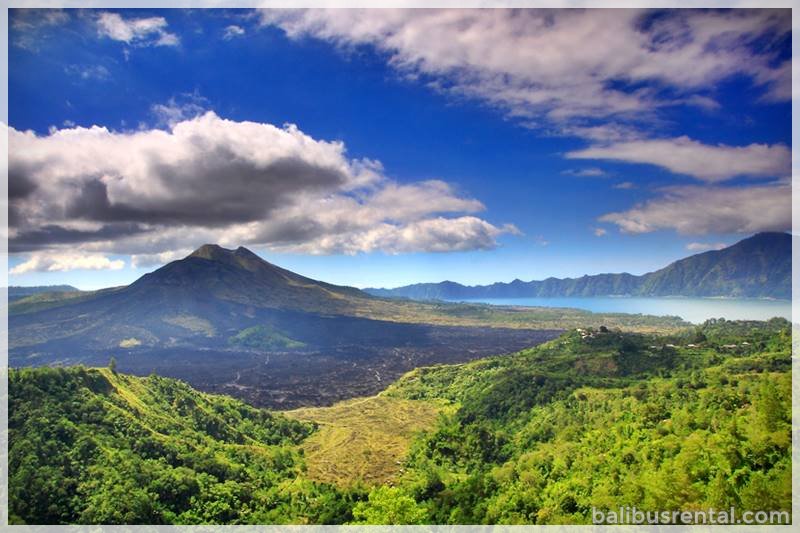
Ubud is situated in the central part of Bali, within Gianyar Regency. The wider Ubud area lies inland from the southern coastline and is known for its relatively elevated landscape, lush vegetation, and tropical surroundings. Parts of the area are approximately 200–300 meters above sea level, although the elevation varies throughout the surrounding countryside.
Compared with Bali’s southern coastal resorts, Ubud often feels cooler, particularly in the mornings and evenings. Its inland location, tree-covered valleys, and surrounding agricultural landscape contribute to its distinctive atmosphere. The climate remains tropical, with warm temperatures throughout the year and a rainy season that brings fresh greenery to the countryside.
The natural environment is one of the principal reasons Ubud became an important destination for artists, writers, photographers, and other creative people. The scenery provides abundant inspiration, from the changing colors of rice paddies to the flowing rivers, coconut palms, tropical forests, and traditional Balinese villages.
The surrounding countryside also offers opportunities for walking, cycling, photography, and cultural exploration. Visitors can discover rural settlements, observe traditional farming practices, and learn how Balinese communities maintain their connection with nature, religion, and local traditions.
Ubud Village and Its Traditional Community
Ubud has a long-established community structure based on Balinese customs, local leadership, and religious responsibilities. Traditional community organizations, known as banjar, play an important role in organizing ceremonies, maintaining neighborhood relationships, preparing religious festivals, and supporting communal activities.
The traditional village system is closely connected with Balinese Hinduism and the philosophy of Tri Hita Karana, which emphasizes harmony between human beings, the natural environment, and the spiritual world. This philosophy can be observed in temple ceremonies, traditional architecture, community cooperation, and the careful relationship between religious life and everyday activities.
The original administrative and population figures for Ubud Village may differ from those of the wider Ubud District and its surrounding villages. Nevertheless, Ubud continues to preserve a strong sense of local identity despite its international popularity.
Balinese Hindu traditions remain an important part of village life. Throughout the year, residents prepare offerings, hold temple festivals, perform traditional dances, and participate in ceremonies marking important stages of the religious calendar. These activities provide visitors with opportunities to appreciate Balinese culture beyond its artistic and commercial attractions.
Ubud as the Center of Art in Bali
Ubud is frequently described as the artistic heart of Bali because of its long history of painting, sculpture, woodcarving, dance, music, and traditional craftsmanship. Art is not simply a tourist attraction here; it is an important part of the area’s cultural identity and community life.
For generations, Balinese artists have developed distinctive styles inspired by Hindu mythology, religious ceremonies, village life, natural landscapes, and traditional stories. Paintings often portray scenes from the Ramayana and Mahabharata epics, stories of gods and goddesses, temple festivals, village activities, and the relationship between people and nature.
Woodcarving and stone sculpture are equally important artistic traditions. Local craftspeople produce decorative figures, religious statues, architectural ornaments, and intricate carvings that reflect the island’s rich artistic heritage.
Traditional dance and gamelan music also contribute to Ubud’s reputation as a cultural center. Performances take place at temples, cultural venues, palaces, and other locations throughout the area. These performances introduce visitors to the movements, costumes, music, and stories that have been passed down through generations.
Ubud’s artistic environment continues to evolve as contemporary artists combine traditional Balinese themes with modern techniques and international influences. This balance between cultural preservation and artistic experimentation helps maintain Ubud’s reputation as one of Indonesia’s most important creative destinations.
Famous Balinese Artists Associated with Ubud
Ubud’s artistic development is closely connected with several influential Balinese artists whose works helped introduce local painting and sculpture to wider audiences.
I Gusti Nyoman Lempad (approximately 1862–1978)
I Gusti Nyoman Lempad was one of the most celebrated figures in Balinese art and architecture. Known for his distinctive line drawings, intricate compositions, and contributions to traditional building design, Lempad played an important role in the development of modern Balinese artistic expression.
His drawings often depicted figures from Hindu mythology, traditional stories, and Balinese daily life. With delicate lines and expressive forms, his work demonstrated how traditional cultural subjects could be presented through a highly individual artistic style.
Lempad was also associated with the artistic and cultural circles that flourished in Ubud during the early twentieth century. His legacy continues to influence the appreciation of Balinese art and remains an important part of Ubud’s cultural history.
Anak Agung Gede Sobrat (1919–1992)
Anak Agung Gede Sobrat was an important Balinese painter associated with Ubud’s artistic development. His work contributed to the evolution of Balinese painting during a period when local artists were increasingly exposed to new approaches to composition, perspective, and representation.
Artists of Sobrat’s generation helped maintain traditional Balinese themes while exploring changes in technique and visual presentation. Their contributions strengthened Ubud’s position as a center where established artistic traditions could develop alongside new ideas.
I Gusti Made Deblog (1910–1968)
I Gusti Made Deblog was a Balinese painter known for his contribution to the region’s painting traditions. Like other artists working during the twentieth century, he participated in a period of artistic development that brought greater recognition to Balinese painting.
The work of artists from this era reflects the close relationship between local cultural traditions, religious subjects, village life, and the changing artistic influences reaching Bali.
Other Important Balinese Artists
Ubud’s artistic history also includes many other notable figures, including I Gusti Ketut Kobot, Ida Bagus Made, Dewa Putu Bedil, and Ida Bagus Rai. Their work represents the diversity of styles and subjects that developed in and around Ubud.
Together, these artists helped establish the area’s reputation for high-quality painting and traditional craftsmanship. Their achievements also encouraged younger generations to continue learning, adapting, and preserving Balinese artistic techniques.
The Arrival of Western Artists in Ubud
During the 1920s and 1930s, Ubud experienced an important period of artistic exchange between Balinese and European artists. International visitors were attracted by Bali’s distinctive landscapes, religious ceremonies, traditional architecture, and artistic traditions.
Two particularly influential figures were Walter Spies, a German-born artist and musician, and Rudolf Bonnet, a Dutch painter. Both became closely associated with the development of Ubud’s artistic community.
Walter Spies arrived in Bali in the late 1920s and became an important figure in the island’s cultural life. His artistic interests included painting, music, photography, and the documentation of Balinese traditions. He was fascinated by local ceremonies, landscapes, and the artistic expressions of Balinese communities.
Rudolf Bonnet arrived in Bali in the late 1920s and later established a close connection with Ubud. He worked with local artists and became involved in efforts to encourage artistic development and improve recognition of Balinese painting.
The presence of these artists introduced new approaches to drawing, anatomy, perspective, light, shadow, and composition. However, the artistic development of Ubud was not simply a matter of European techniques replacing traditional methods. Balinese artists adapted selected influences to their own cultural subjects, visual conventions, and artistic priorities.
This interaction contributed to the emergence of new painting styles while allowing local artists to maintain distinctive Balinese identities. Ubud subsequently became known for its ability to combine cultural continuity with artistic innovation.
The Establishment of the Pita Maha Artists’ Association
One of the most significant events in the history of Ubud’s art community was the establishment of the Pita Maha artists’ association in 1936.
Pita Maha was developed through cooperation between Balinese cultural leaders and artists, including Tjokorda Gde Agung Sukawati, Tjokorda Gde Raka Sukawati, Rudolf Bonnet, and I Gusti Nyoman Lempad. Their collaboration aimed to encourage artistic excellence, support local painters, and promote Balinese art to a broader audience.
The association provided a platform for artists to exchange ideas, discuss techniques, evaluate artworks, and develop their skills. It also helped organize and promote exhibitions, giving Balinese artists greater opportunities to present their work beyond their immediate communities.
Pita Maha played an important role in the development of modern Balinese painting. Rather than abandoning local traditions, the movement encouraged artists to refine their work while maintaining recognizable Balinese themes, cultural values, and visual characteristics.
Its influence extended beyond Ubud and contributed to the wider recognition of Balinese art. The association also helped establish a foundation for later art organizations, galleries, and cultural institutions throughout Bali.
The legacy of Pita Maha remains an important part of Ubud’s identity as a destination where artistic traditions are preserved, discussed, and continually reinterpreted.
The Influence of Ubud on International Artists
Ubud’s reputation as an artistic destination attracted international painters, writers, photographers, and other creative individuals throughout the twentieth century. Many were drawn by the area’s natural beauty, spiritual traditions, and the opportunity to experience a community where art was closely integrated with daily life.
The exchange between local and foreign artists encouraged new ways of seeing Balinese culture. International visitors often found inspiration in traditional ceremonies, temple architecture, tropical landscapes, and the expressive qualities of Balinese painting and sculpture.
At the same time, Balinese artists continued to develop their own approaches, drawing on generations of cultural knowledge and local artistic practice. The result was a dynamic environment in which different ideas could interact without erasing the area’s distinctive identity.
This artistic history helped transform Ubud from a primarily local cultural center into an internationally recognized destination for art and creativity. Today, visitors can explore this heritage through museums, galleries, exhibitions, workshops, and cultural performances.
Traditional Culture and Religious Life in Ubud
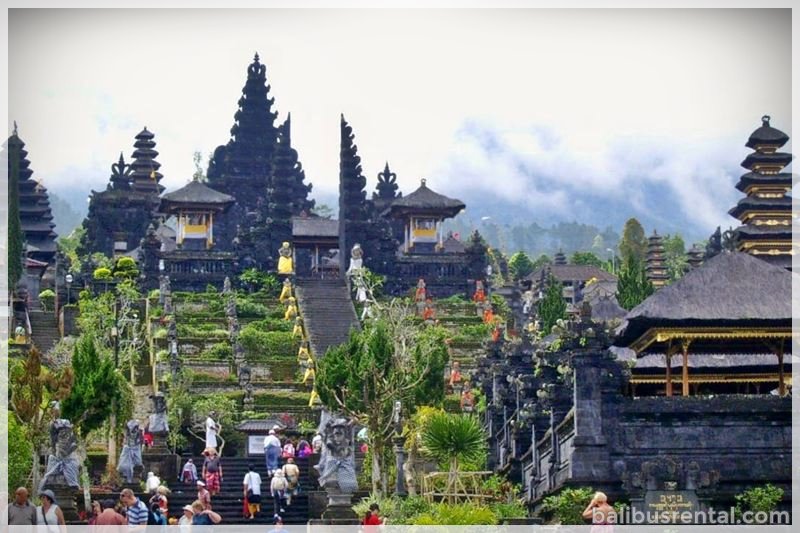
Although Ubud is internationally known for its art scene, religion and traditional customs remain central to its character. Balinese Hinduism influences village organization, temple architecture, ceremonial calendars, and many aspects of daily life.
Temples throughout the area host regular ceremonies and annual festivals, while families prepare offerings and participate in religious observances. Traditional processions, gamelan performances, and dance rituals reflect the continuing relationship between artistic expression and spiritual belief.
Visitors may encounter ceremonial decorations along village streets, offerings placed outside homes and businesses, and elaborate preparations for temple festivals. These practices are part of living Balinese culture rather than staged attractions.
Travelers should dress respectfully when visiting temples, follow local instructions, and avoid entering restricted ceremonial areas. Some religious sites require a sarong and sash, and access may be limited during certain ceremonies.


Popular Attractions to Visit in Ubud
Ubud offers a wide range of cultural and natural attractions, making it an excellent destination for travelers interested in Balinese art, heritage, and countryside scenery.
Ubud Palace (Puri Saren Agung)
Located in central Ubud, Ubud Palace is a historic royal compound associated with the local royal family. Its traditional Balinese architecture, decorated gates, courtyards, and stone carvings provide insight into the region’s royal heritage. Traditional dance performances are also held at selected venues in the surrounding central area.
Ubud Art Market
Ubud Art Market is a popular place to discover locally made handicrafts, woven bags, textiles, souvenirs, decorative objects, and traditional artwork. It is particularly appealing to visitors who want to browse Balinese crafts and purchase gifts to take home.
Sacred Monkey Forest Sanctuary
The Sacred Monkey Forest Sanctuary is a well-known natural and cultural attraction in Ubud. It combines a forest habitat for long-tailed macaques with ancient temple structures, stone carvings, and shaded walking paths. Visitors should follow sanctuary guidelines, keep belongings secure, and avoid touching or feeding the monkeys unless explicitly permitted.
Museum Puri Lukisan
Museum Puri Lukisan is an important art museum in Ubud, featuring collections associated with the development of traditional and modern Balinese painting and sculpture. It offers visitors an opportunity to learn about the artistic movements and individual artists that helped shape Ubud’s reputation.
Neka Art Museum
Neka Art Museum presents a broad collection of Balinese and Indonesian artworks, including paintings that reflect different periods and artistic influences. It is a useful destination for travelers who want a deeper understanding of Ubud’s artistic history.
Campuhan Ridge Walk
Campuhan Ridge Walk is a scenic walking route offering views of green hills, tropical vegetation, and the valleys surrounding Ubud. It provides a quieter experience away from the busiest streets and is especially popular during the cooler hours of the morning and late afternoon.
Tegalalang Rice Terraces
Located north of central Ubud, the Tegalalang Rice Terraces are famous for their layered agricultural landscape and traditional irrigation system. The terraces offer excellent opportunities for photography and an introduction to Bali’s rural scenery and agricultural heritage.
Ubud as a Destination for Cultural Tourism
Ubud is an excellent destination for travelers who want to experience more than Bali’s beaches and coastal resorts. Its combination of art, architecture, religion, traditional crafts, and natural scenery makes it suitable for couples, families, photographers, cultural travelers, and visitors interested in Balinese heritage.
A visit can include exploring museums in the morning, discovering traditional crafts and local markets during the day, and watching a Balinese dance performance in the evening. Travelers with more time can explore the surrounding countryside, visit nearby temples, or arrange a private tour through the villages and rice fields of Gianyar Regency.
Ubud is also a popular destination for yoga, wellness retreats, cooking classes, art workshops, and traditional craft experiences. These activities allow visitors to engage with the region’s cultural atmosphere while learning more about Balinese customs and creative traditions.
Because the central streets can become busy, particularly during peak travel periods, visitors may prefer to explore early in the morning or arrange transportation for attractions outside the town center.
Best Time to Visit Ubud Village
Ubud can be visited throughout the year. The dry season, generally from April to October, is often preferred for outdoor activities, countryside walks, and sightseeing. The rainy season, usually from November to March, brings greener landscapes and can create beautiful scenery, although rain may affect walking routes and travel schedules.
Mornings are often ideal for exploring the countryside and visiting popular attractions before the busiest hours. Late afternoons are suitable for enjoying the cooler atmosphere, browsing art galleries, or attending cultural performances.
Travelers should allow extra time for road journeys, as traffic in central Ubud and on the roads connecting nearby attractions can be heavy at certain times.
How to Get to Ubud Village
Ubud is located approximately 35–40 kilometers from Ngurah Rai International Airport, although the actual distance and journey time depend on the route and destination within Ubud. The drive commonly takes around 1–1.5 hours, but traffic conditions can make the journey longer.
From Denpasar, travelers can reach Ubud by private car, taxi, or other available transport services. The journey generally takes around 45 minutes to 1.5 hours, depending on the starting point and traffic. Gianyar Town is closer, and travel from there may take approximately 15–30 minutes, depending on the destination.
For visitors staying in southern Bali, a private car with a driver is a convenient way to visit Ubud on a day trip. Groups can also arrange a minibus or bus charter, while independent travelers may prefer a taxi or app-based transport service where available.
A private tour can combine central Ubud with nearby destinations such as Tegalalang Rice Terraces, Tirta Empul Temple, Goa Gajah, or other cultural attractions, depending on the available time and preferred itinerary.
Conclusion: Discover the Artistic Heart of Bali in Ubud
Ubud Village remains one of Bali’s most important centers of art, culture, and traditional heritage. Its artistic reputation grew from the achievements of Balinese painters and sculptors, the support of local royal patrons, and the creative exchanges that developed during the early twentieth century.
The influence of artists such as I Gusti Nyoman Lempad, Walter Spies, and Rudolf Bonnet, together with the establishment of the Pita Maha association in 1936, helped bring wider recognition to Balinese painting and encouraged the development of distinctive artistic styles.
Today, Ubud continues to welcome visitors seeking traditional crafts, art museums, historic temples, royal architecture, scenic rice terraces, and authentic cultural experiences. Its combination of natural beauty and living traditions makes it one of the most rewarding places to explore in Bali.
For travelers who want to understand the island beyond its beaches, a visit to Ubud offers a valuable introduction to Balinese creativity, spirituality, and community life. Whether exploring an art gallery, watching a traditional dance, visiting a temple, or enjoying the surrounding countryside, visitors can discover why Ubud is widely regarded as the cultural and artistic heart of Bali.