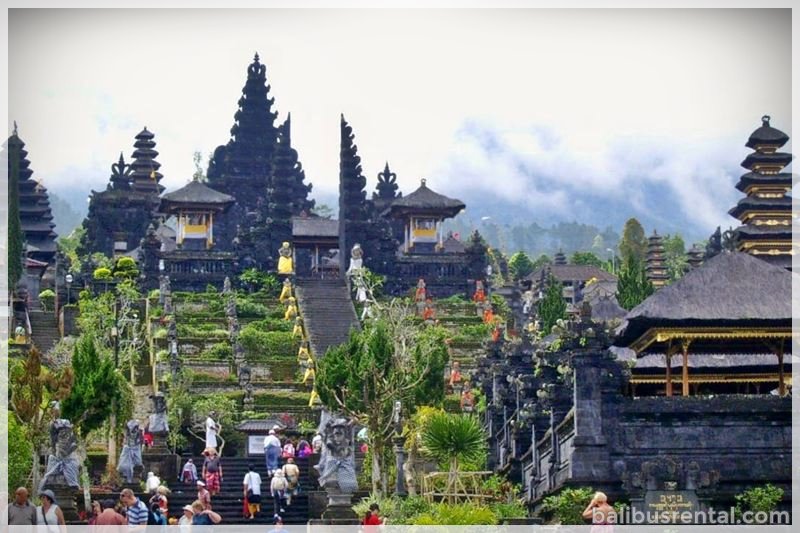
Ulun Danu Temple – Bali’s Beautiful Highland Destination
Ulun Danu Beratan Temple Bali is one of the island’s most famous cultural landmarks, celebrated for its beautiful lakeside setting, traditional Balinese architecture and spiritual importance. Located in the cool highlands of Bedugul, Tabanan Regency, this historic Hindu temple stands beside Lake Beratan, surrounded by green hills, mountain scenery and refreshing highland air.
Known locally as Pura Ulun Danu Beratan, the temple is one of the most photographed tourist attractions in Bali. Its distinctive multi-tiered shrines appear to float on the lake when the water level is high, creating a spectacular landscape that attracts visitors from Indonesia and around the world.
For travelers exploring Bali, Ulun Danu Beratan Temple offers more than a beautiful photograph. It provides an opportunity to discover Balinese Hindu traditions, learn about the island’s relationship with water and agriculture, and experience the peaceful atmosphere of the Bedugul mountain region.
The History of Ulun Danu Beratan Temple
The history of Ulun Danu Beratan Temple is closely connected with the development of Balinese Hinduism and the traditional communities that depend on Lake Beratan for water and agricultural activities.
According to the historical account recorded in the Babad Mengwi, a traditional Balinese historical manuscript, the temple was established in 1556 Saka, corresponding to 1634 CE, under the patronage of I Gusti Agung Putu, the ruler of the Kingdom of Mengwi.
The temple was built as a sacred place of worship associated with Dewi Danu, the goddess connected with lakes and water. In Balinese Hindu belief, water is essential for life, fertility, prosperity and the continuation of agricultural traditions. The establishment of the temple reflects the importance of protecting and honoring the natural resources that sustain the island’s communities.
Over the centuries, Ulun Danu Beratan Temple has remained an important religious landmark for Balinese Hindus. Local traditional communities continue to maintain the temple and preserve its cultural heritage, ensuring that it remains both a living place of worship and a significant destination for cultural tourism.
Today, the temple is recognized as one of Bali’s most iconic landmarks and is an important part of the island’s religious and historical identity.
The Meaning of Ulun Danu Beratan
The name Ulun Danu is commonly interpreted as referring to the head, source or sacred domain of the lake. The word danu is associated with a lake or body of water, while Dewi Danu is revered in Balinese Hindu tradition as a goddess connected with water, lakes and rivers.
Lake Beratan plays an important role in supporting agriculture and communities throughout the surrounding highlands and areas downstream. The temple symbolizes the spiritual relationship between people and water, reminding visitors of the importance of respecting and preserving natural resources.
In Balinese culture, water is not simply a resource for everyday life. It is also associated with purification, prosperity, fertility and harmony between human beings and the natural world. The ceremonies and offerings associated with Ulun Danu Beratan express these enduring cultural values.
The Sacred Temple Complex
Ulun Danu Beratan Temple is not a single building but a complex of sacred structures with different religious functions. Traditional shrines, courtyards and landscaped grounds reflect the architectural traditions and spiritual beliefs of Balinese Hindu society.
Pura Penataran Agung
Pura Penataran Agung is one of the principal temple areas within the complex. It is associated with worship of the divine manifestations of Shiva and forms an important part of the temple’s religious structure.
Pura Lingga Petak
Pura Lingga Petak is among the best-known shrines at Ulun Danu Beratan. Its distinctive multi-tiered roof and position close to the lake contribute to the temple’s famous appearance.
The shrine is associated with sacred symbolism, water and fertility. It is particularly significant in photographs of the temple, where the surrounding lake creates the impression that the shrine is floating on the water.
Pura Dalem Purwa
Pura Dalem Purwa is another important sanctuary within the wider complex. Its shrines and traditional structures are associated with religious observances and beliefs concerning prosperity and well-being.
Pura Taman Beji
Pura Taman Beji is associated with ritual purification and the preparation of sacred offerings. Water has a central role in Balinese Hindu ceremonies, and places connected with sacred water are important parts of the island’s religious landscape.
Pura Prajapati
Pura Prajapati is another sacred area within the temple complex, associated with traditional Balinese Hindu beliefs and worship.
The Buddhist Stupa
An interesting feature of the wider complex is the presence of a Buddhist stupa. Its inclusion provides a reminder of the historical coexistence of Hindu and Buddhist traditions in Bali and adds another dimension to the site’s cultural significance.
Visitors should remember that these structures belong to an active religious site. Some areas may be restricted to worshippers or participants in ceremonies, so it is important to follow the signs and instructions of temple staff.
The Unique Architecture of Ulun Danu Beratan Temple
One of the most distinctive features of Ulun Danu Beratan Temple is its traditional Balinese architecture, especially the meru shrines with their characteristic tiered roofs.
These structures are designed according to traditional religious and architectural principles. Their vertical forms create a striking contrast with the broad surface of Lake Beratan and the green mountain slopes surrounding it.
The number of roof tiers varies between shrines, and the buildings serve different religious purposes. Together, they create an architectural landscape that is closely associated with Balinese Hindu temple design.
The temple’s location beside the lake makes its appearance particularly memorable. When the lake water reaches the base of the shrines, the buildings seem to rise directly from the water. During misty mornings, the surrounding mountains and soft clouds add to the atmosphere, making Ulun Danu Beratan one of the most recognizable sights in Bali.
The gardens and pathways around the temple also provide pleasant places for visitors to walk, admire the scenery and appreciate the craftsmanship of traditional Balinese architecture.
Lake Beratan and Its Importance to Bali
Lake Beratan, also known as Danau Beratan, is a beautiful freshwater lake situated in the Bedugul highlands. Its cool climate, surrounding hills and fertile agricultural landscape make it an important natural feature of central Bali.
The lake is closely associated with the temple because water from the surrounding lake system supports agriculture and local communities. The relationship between water, religious observance and farming is a fundamental part of Balinese cultural life.
Traditional irrigation communities known as subak manage water distribution for rice cultivation through systems that combine practical cooperation with religious and cultural traditions. Bali’s subak landscape is internationally recognized for demonstrating how spiritual beliefs, community organization and agricultural practices are interconnected.
Ulun Danu Beratan Temple forms part of this broader cultural relationship between people and water. Its presence beside the lake reflects the respect that Balinese communities have traditionally shown toward the natural environment.
Visitors can enjoy the lake views, observe the changing mountain scenery and learn more about the agricultural importance of Bali’s highlands.
Ulun Danu Beratan Temple as a Famous Bali Tourist Attraction
Ulun Danu Beratan Temple is a popular destination for travelers interested in nature, photography, history and Balinese culture. Its combination of sacred architecture and mountain scenery makes it different from many of Bali’s coastal temples.
The main attractions include:
- The lakeside temple: Admire the famous multi-tiered shrines beside Lake Beratan.
- Mountain scenery: Enjoy views of the surrounding hills and the cool atmosphere of Bedugul.
- Traditional architecture: Discover the distinctive design of Balinese Hindu shrines and temple buildings.
- Photography opportunities: Capture reflections on the lake, landscaped gardens and the temple’s distinctive silhouette.
- Cultural discovery: Learn about Dewi Danu, traditional ceremonies and the importance of water in Balinese life.
- Relaxing walks: Explore the gardens and pathways around the temple grounds.
- Family sightseeing: Enjoy a cultural attraction that can be combined with other destinations in the Bedugul region.
The scenery changes throughout the day. Early mornings may bring mist across the lake, while clearer weather can reveal more of the surrounding mountains. These changing conditions give the temple a different atmosphere depending on the time of your visit.
The Best Time to Visit Ulun Danu Beratan Temple
Morning is often a good time to visit Ulun Danu Beratan Temple, especially for travelers who want to enjoy the peaceful scenery and take photographs before the busiest hours.
The highland climate is generally cooler than southern Bali, although cloud, rain and mist can occur throughout the year. Bringing a light jacket or other comfortable outer layer is recommended.
For the best experience, consider the following tips:
- Arrive in the morning for a more peaceful atmosphere and softer natural light.
- Bring a camera or smartphone to capture the temple and lake scenery.
- Wear comfortable walking shoes for exploring the gardens and pathways.
- Carry a light jacket because Bedugul can be cool and damp.
- Check the weather forecast if clear mountain views are important to your plans.
- Allow enough time to enjoy the temple grounds rather than stopping only for a quick photograph.
Opening hours, entrance fees and access arrangements may change, so check the latest information with the official temple attraction management before your visit.
How to Get to Ulun Danu Beratan Temple
Ulun Danu Beratan Temple is located in Candikuning Village, Baturiti District, Tabanan Regency, in the Bedugul highlands of central Bali. It lies along the main road connecting Bedugul with Singaraja in northern Bali.
Travelers can reach the temple by private car, rental vehicle with a driver, taxi or organized Bali sightseeing tour. Hiring a private vehicle with a local driver is a convenient option for visitors who want to explore several attractions in one day without worrying about unfamiliar roads or parking.
Approximate driving times depend on traffic, weather and the starting point. Travel from popular areas in southern Bali can take around two to three hours, while the journey from Ubud may be shorter depending on the route and traffic conditions.
Because the temple is located in the highlands, the drive also offers opportunities to enjoy Bali’s changing scenery, from busy southern districts to green hills, plantations and cooler mountain landscapes.
Nearby Attractions to Visit with Ulun Danu Beratan Temple
A visit to Ulun Danu Beratan Temple can be combined with other attractions in Bedugul and central Bali. This makes the area a good choice for a full-day sightseeing itinerary.
Beratan Lake
Explore the lake surrounding the temple and enjoy the peaceful highland scenery. The lake is the defining natural feature of this destination and provides excellent opportunities for photography.
Bedugul Traditional Market
Visit the local market to discover fresh vegetables, fruit, flowers and agricultural products from Bali’s highland communities. The market is also a useful stop for travelers interested in local produce and everyday Balinese life.
Bali Botanic Garden
The Bali Botanic Garden, also known as Kebun Raya Bali, offers a large collection of plants and trees in a cool mountain environment. It is a good addition to a nature-focused Bedugul itinerary.
Handara Gate
Handara Gate is a well-known photographic landmark in the Bedugul region. Its distinctive entrance and mountain backdrop make it a popular stop for visitors exploring the highlands.
Banyumala Waterfall
Banyumala Waterfall is a scenic natural attraction in the Wanagiri area, known for its cascading water and lush tropical surroundings. It can be included in a longer journey toward northern Bali, depending on road conditions and available time.
Buyan and Tamblingan Lakes
The twin lakes of Buyan and Tamblingan offer beautiful mountain views, forested surroundings and a quieter atmosphere. They are ideal for travelers who want to explore more of Bali’s natural landscape beyond the main tourist areas.
Temple Etiquette and Visitor Guidelines
Ulun Danu Beratan is an important place of worship, not simply a tourist attraction. Visitors are encouraged to respect Balinese Hindu customs and help preserve the peaceful atmosphere of the site.
Please observe the following guidelines:
- Wear modest clothing when visiting the temple grounds.
- Follow instructions regarding sarongs, sashes and access to sacred areas.
- Do not enter restricted courtyards or buildings without permission.
- Speak respectfully and avoid disturbing people who are praying.
- Ask permission before photographing worshippers or religious ceremonies.
- Do not touch sacred objects or climb on temple structures.
- Keep the grounds clean and dispose of rubbish properly.
- Follow local rules and any temporary restrictions during religious ceremonies.
Respectful behavior helps protect the temple’s cultural heritage and ensures that both worshippers and visitors can appreciate this special place.
Why Ulun Danu Beratan Temple Should Be on Your Bali Itinerary
Ulun Danu Beratan Temple is one of the essential destinations for anyone wishing to discover the cultural and natural beauty of Bali. Its historic shrines, spiritual significance, peaceful lake setting and cool mountain atmosphere provide a memorable experience away from the island’s busier beach resorts.
Whether you are interested in Balinese history, traditional architecture, religious culture, photography or scenic countryside, this temple offers something for every traveler. Its location also makes it easy to combine a cultural visit with other attractions around Bedugul.
For a comfortable sightseeing experience, consider arranging a private Bali tour with a driver so you can visit Ulun Danu Beratan Temple and nearby destinations at your own pace.
Ulun Danu Beratan Temple Bali is more than a beautiful landmark. It is a living symbol of the relationship between Balinese spirituality, water, agriculture and the natural environment—a place where visitors can experience another side of the Island of the Gods.
Entrance Ticket Prices for Pura Ulun Danu Beratan for Domestic and International Tourists Valid from 1 July 2026.
- Foreigners Adult: IDR 100,000 per person
- Foreigners Child (5–10 years old): IDR 75,000 per person
- Domestic Adult: IDR 50,000 per person
- Domestic Child (5–10 years old): IDR 25,000 per person
- Adult (Bali ID Card Holder): IDR 50,000 per person
- Child (Bali ID Card Holder) (5–10 years old): IDR 25,000 per person
Vehicle Parking Fees at Pura Ulun Danu Beratan
- Motorcycle: IDR 3,000
- Private Car: IDR 5,000
- Tourist Bus: IDR 10,000
Note: Currently, tickets can only be purchased on-site and Admission Ticket Payment Methods – Cash, Credit Card, or Debit and Parking only by Cash