
Mount Batur Volcano, Kintamani Bali: An Active Volcano with a Beautiful Lake View
Mount Batur is one of Bali’s most famous natural landmarks and a major attraction in the Kintamani highlands. Located in Bangli Regency, this active volcano is renowned for its dramatic volcanic landscape, breathtaking views of Lake Batur, cool mountain air, and spectacular sunrise scenery. Surrounded by mountains, traditional villages, fertile agricultural land, and ancient Balinese cultural sites, the Kintamani area offers visitors a different perspective on Bali beyond its beaches and coastal resorts.
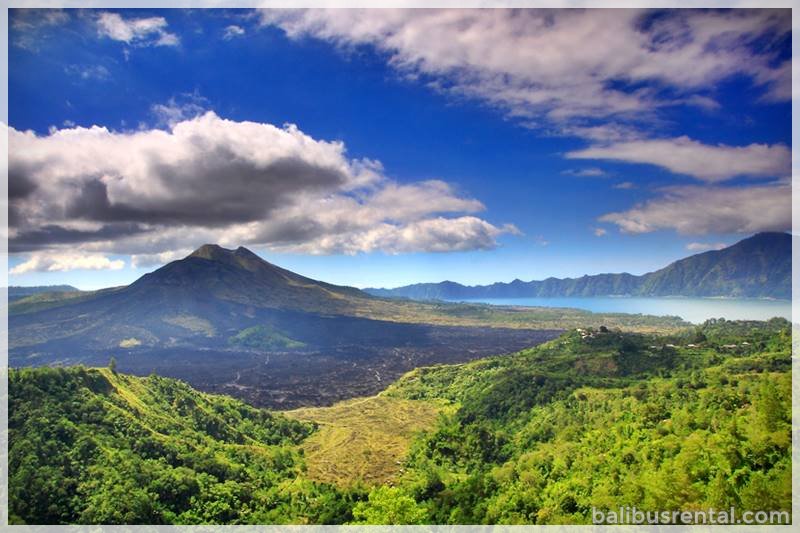
The Mount Batur volcano and Lake Batur form the centrepiece of this remarkable highland destination. Visitors can admire the volcanic panorama from scenic viewpoints, enjoy lunch at restaurants overlooking the lake, explore traditional villages, or join an early-morning trek to the summit of Mount Batur to watch the sunrise.
Kintamani is particularly appealing to travellers interested in nature, photography, Balinese culture, volcano trekking, and scenic countryside tours. Its elevated location gives the area a cooler climate than southern Bali, making it a refreshing destination for a day trip from Ubud, Sanur, Kuta, Seminyak, or other popular tourist areas.
The Active Volcano of Mount Batur
Mount Batur is an active volcano situated within a vast volcanic caldera in the Kintamani region of northeastern Bali. The mountain rises above the surrounding landscape, creating a striking natural panorama that attracts visitors throughout the year. Its volcanic history has shaped the land, influenced local agriculture, and contributed to the distinctive scenery that makes Kintamani one of Bali’s best-known mountain destinations.
Mount Batur has experienced numerous eruptions throughout recorded history, including significant eruptions during the nineteenth and twentieth centuries. Its volcanic activity has repeatedly transformed the surrounding landscape through lava flows, volcanic ash, and other eruptive materials. Although the mountain remains active, its activity is monitored by Indonesian geological authorities.
The volcanic environment has influenced the daily lives of communities living around the mountain. Over generations, residents have adapted their agricultural practices, settlements, and cultural traditions to the conditions of the highlands. Volcanic eruptions have also affected village infrastructure and religious sites, requiring communities to maintain, repair, or relocate structures when necessary.
Today, Mount Batur is widely known for its sunrise trekking experiences. Many visitors begin their climb during the early hours of the morning to reach a suitable viewpoint before sunrise. From higher elevations, trekkers can enjoy panoramic views of the surrounding caldera, Lake Batur, neighbouring mountains, and the changing colours of the sky.
For travellers who prefer a more relaxed experience, Mount Batur can also be admired from viewpoints around Penelokan and other scenic locations along the Kintamani highlands. These viewpoints allow visitors to appreciate the scale of the volcano without undertaking a strenuous hike.
Lake Batur: The Largest Lake in Bali
Lake Batur, locally known as Danau Batur, lies inside the enormous caldera surrounding Mount Batur. This crescent-shaped volcanic lake is the largest lake in Bali and is an important part of the island’s natural environment, local economy, and cultural heritage.
The lake is surrounded by volcanic slopes, green hills, agricultural land, and traditional settlements. Its calm waters and mountainous backdrop create a beautiful contrast with the dark volcanic terrain of Mount Batur. From the highland viewpoints, visitors can enjoy sweeping views of the lake stretching across the caldera.
Lake Batur plays an important role in supporting communities in the surrounding region. Its water and associated local water-management systems contribute to agricultural activities and livelihoods in the area. Farming, fishing, tourism, and other small businesses provide income for residents living around the lake and throughout Kintamani.
The lake also holds cultural significance for the Balinese Hindu community. Water is closely associated with purification, fertility, and prosperity in Balinese Hindu traditions. The wider Batur region is therefore an important cultural landscape, where the natural environment and religious beliefs are closely connected.
Visitors can explore the lakeside villages, observe local fishing activities, enjoy the mountain scenery, or combine a visit to Lake Batur with nearby temples and traditional settlements. The area is particularly attractive to travellers seeking a combination of natural beauty and cultural discovery.
The Ancient Villages of Kintamani and Bali Aga Culture
The Kintamani region is home to traditional Balinese communities whose cultural practices, village organisation, and customs have developed over many generations. Some settlements in the wider region are associated with the Bali Aga, or Bali Mula, communities, often described as representing distinctive traditions that predate or differ from those of many other Balinese villages.
Trunyan Village, located along the eastern shore of Lake Batur, is particularly well known for its distinctive customs and traditional cultural heritage. The village is often included in discussions of Bali Aga communities because of its unique religious practices, social traditions, and relationship with the surrounding natural environment.
Traditional villages in the Kintamani area provide valuable insight into Balinese community life. Their cultural identity can be seen in local temples, village ceremonies, customary rules, traditional architecture, and the close relationship between residents and their ancestral lands.
The wider Kintamani area includes settlements such as Kedisan, Buahan, Abang, Trunyan, Songan, South Batur, Central Batur, North Batur, Sukawana, and Kintamani. These villages occupy different parts of the volcanic highlands and lakeside landscape, each with its own local character and way of life.
Many residents work in agriculture, trade, fishing, hospitality, and tourism-related businesses. Depending on the village and its location, visitors may encounter vegetable farms, fruit gardens, traditional markets, lakeside activities, and small local enterprises.
Exploring these communities can add a cultural dimension to a Mount Batur sightseeing trip. Visitors should remember that traditional villages are living communities rather than open-air museums. Respectful behaviour, appropriate clothing when visiting sacred places, and permission before photographing people or religious activities are important considerations.
Kintamani Highlands: Cool Weather and Beautiful Mountain Scenery
One of the most distinctive features of Kintamani is its elevated location, which creates a cooler atmosphere than Bali’s southern coastal destinations. The area is known for fresh mountain air, misty hills, volcanic landscapes, and views across the caldera.
The scenery changes throughout the day according to the weather. During clear conditions, Mount Batur and Lake Batur can be seen in impressive detail from the main viewpoints. Clouds and mist may move across the mountain slopes, creating an entirely different atmosphere in the afternoon or evening.
Kintamani is also an agricultural region. The fertile volcanic soil and highland climate support the cultivation of vegetables, fruit, coffee, and other crops. Travelling through the countryside, visitors may see cultivated fields and gardens alongside traditional villages and winding mountain roads.
The contrast between agricultural land, rugged volcanic slopes, and the lake makes Kintamani a rewarding destination for landscape photography. It is also a popular stop on Bali sightseeing itineraries that include Ubud, Tegallalang, Besakih Temple, and other destinations in the central and eastern parts of the island.
Best Time to Visit Mount Batur and Lake Batur
The best time to enjoy the Mount Batur panorama is generally during the morning, when weather conditions may offer clearer views before clouds develop later in the day. However, visibility varies according to the season and daily weather, so clear views cannot be guaranteed.
For visitors planning a sightseeing trip, arriving in the morning can provide a good opportunity to photograph the volcano and Lake Batur before the landscape becomes covered by clouds or mist. Many travellers also visit around lunchtime, combining the scenery with a meal at one of the restaurants overlooking the caldera.
The period from approximately 10:00 a.m. to 3:00 p.m. can be suitable for a relaxed sightseeing visit when the weather is clear. Nevertheless, the most attractive viewing conditions depend on the day, and early morning is often preferred by photographers and sunrise enthusiasts.
Mount Batur sunrise trekking usually begins well before dawn. Visitors should arrange their trek with an experienced local guide or reputable operator and check the current weather, trail conditions, and volcanic activity advisories before departure.
Temperatures in Kintamani can be noticeably cooler than in coastal Bali, particularly in the early morning and after sunset. Bringing a light jacket, comfortable walking shoes, and suitable clothing is recommended.
Restaurants with Mount Batur and Lake Batur Views
Dining with a view of Mount Batur and Lake Batur is one of the most popular activities in Kintamani. Several restaurants and cafés in the highland area are positioned to take advantage of the spectacular volcanic panorama.
Many visitors stop at a restaurant around Penelokan or along the Kintamani scenic road for lunch while enjoying views of the lake, mountain slopes, and surrounding countryside. Depending on the establishment, menus may include Indonesian dishes, Balinese specialities, local vegetables, grilled fish, and international options.
Buffet-style restaurants are also available in the area, making them convenient for organised sightseeing tours and groups travelling by private car, minibus, or charter bus.
The dining experience is especially enjoyable when the weather is clear, allowing guests to admire the volcanic landscape while eating. On cloudy days, the views may be partly obscured, but the cool mountain atmosphere still offers a pleasant change from Bali’s warmer lowland areas.
For the best experience, consider checking the restaurant’s location and view before visiting. Restaurants situated along the caldera rim generally provide a different perspective from those closer to the lakeside.
Sunrise Trekking on Mount Batur
Mount Batur is one of Bali’s best-known destinations for sunrise trekking. The experience typically involves beginning the hike in the early hours of the morning and climbing to a suitable summit or viewpoint before the sun appears over the surrounding landscape.
As daylight gradually spreads across the caldera, trekkers may see Lake Batur, the volcanic slopes, and neighbouring mountains illuminated by the morning light. On clear days, the views can be particularly impressive, making the trek popular among nature lovers, photographers, and adventure travellers.
The hike requires physical effort because the route includes uneven volcanic terrain and uphill sections. Visitors should wear sturdy footwear, bring sufficient drinking water, and carry warm clothing for the early-morning conditions.
Trekking arrangements should be made with a reputable local guide or operator. Before setting out, check the current volcanic status and any official restrictions, as access may change depending on volcanic activity, weather, or safety considerations.
Travellers who do not wish to hike can still enjoy excellent views of Mount Batur from accessible roadside viewpoints around Kintamani.

Visiting Kintamani from Denpasar and Southern Bali
Kintamani is located in Bangli Regency, in the central-eastern highlands of Bali. The driving distance from Denpasar is approximately 50–60 kilometres, depending on the route and destination within Kintamani. A journey from Denpasar or southern Bali generally takes around 1.5 to 2.5 hours, depending on traffic, road conditions, and the starting point.
Visitors staying in Ubud may find Kintamani more convenient to reach, although travel time still depends on the selected route and local traffic.
The main roads leading to Kintamani are generally accessible by private car, minivan, and tour bus. However, the mountain roads can be winding, and travel times may increase during busy periods or adverse weather.
A private Bali car rental with a driver is a convenient option for visitors who want to explore Mount Batur, Lake Batur, and nearby attractions at their own pace. Groups can also arrange a minibus or bus charter with a driver, particularly when travelling together on a customised Bali sightseeing tour.
A typical day trip can combine the Mount Batur viewpoint with a visit to a traditional village, a local coffee plantation, a temple, or another nearby attraction. Travellers should plan their route according to their available time and avoid trying to include too many destinations in a single day.
Other Attractions Near Mount Batur
Kintamani offers several attractions that can be combined with a visit to Mount Batur.
Lake Batur and the lakeside villages: Explore the scenery around the lake and discover traditional settlements such as Kedisan and Trunyan.
Penelokan viewpoint: Enjoy panoramic views of Mount Batur, Lake Batur, and the surrounding caldera from one of the region’s best-known scenic areas.
Trunyan Village: Learn about the distinctive customs and cultural heritage of this traditional village on the eastern side of Lake Batur. Visits should be arranged respectfully and with appropriate local guidance.
Pura Ulun Danu Batur: Visit one of Bali’s important Hindu temple complexes associated with the worship of the lake goddess and the spiritual significance of water. The present temple complex is located in the Kintamani area, following relocation after the 1917 eruption and the devastating events of 1926.
Coffee plantations and highland farms: Discover local coffee production and the agricultural traditions of Bali’s mountain communities.
These attractions make Kintamani suitable for a full-day sightseeing itinerary that combines nature, culture, local food, and Balinese heritage.
Travel Tips for Visiting Mount Batur Volcano
To make the most of your visit to Mount Batur and Lake Batur, keep the following tips in mind:
- Check the weather: Clear weather provides the best chance of seeing the volcano and lake in full view.
- Bring a jacket: Kintamani is cooler than southern Bali, particularly early in the morning and at night.
- Wear comfortable footwear: Suitable walking shoes are helpful for viewpoints, village visits, and trekking activities.
- Check volcanic advisories: Mount Batur is an active volcano, so follow official safety information and local access restrictions.
- Respect local traditions: Dress appropriately when entering temples and follow instructions from local guides.
- Allow sufficient travel time: Mountain roads, traffic, and weather can affect the journey from southern Bali.
- Choose your transport carefully: A private car, minivan, or charter bus with a driver can make it easier to visit several attractions in one trip.
Conclusion: Experience the Natural Beauty of Mount Batur, Bali
Mount Batur and Lake Batur are among the most recognisable natural attractions in Bali. Their dramatic volcanic scenery, traditional highland villages, cool climate, and panoramic viewpoints make Kintamani an excellent destination for travellers who want to experience a different side of the island.
Whether you choose to admire the landscape from Penelokan, enjoy lunch at a mountain-view restaurant, explore the cultural heritage of nearby villages, or join a guided sunrise trek, the Kintamani region offers a memorable combination of nature and Balinese culture.
For a comfortable journey, consider including Mount Batur and Lake Batur in a private Bali sightseeing tour with a driver. The trip can be customised to include nearby temples, traditional villages, coffee plantations, and other attractions, allowing you to discover the beauty of Bali’s volcanic highlands at your own pace.
Kintamani Entrance Fee and Parking Charges
The entrance fee for the Kintamani scenic area in Bali varies depending on the visitor’s residency status and age. Visitors travelling to Kintamani to enjoy the spectacular views of Mount Batur volcano and Lake Batur should prepare for an entrance fee at the designated access checkpoint.
Kintamani Entrance Ticket Prices
- International Tourists (WNA): IDR 50,000 per adult
- International Tourists (WNA): IDR 30,000 per child.
- Domestic Tourists (WNI): IDR 25,000 per adult
- Domestic Tourists (WNI): IDR 15,000 per child.
- Balinese Residents (with a valid Bali ID or KTP): IDR 10,000 per adult and IDR 5,000 per child.
Payment method: Cash in Indonesian Rupiah (IDR) is generally required at the entrance checkpoint, so visitors are advised to carry sufficient cash.
Vehicle Parking Fees in Kintamani
Visitors travelling by private vehicle should also budget for parking fees, which may vary depending on the parking location.
- Motorcycle or scooter: Approximately IDR 2,000.
- Car: Approximately IDR 5,000.
- Bus: Approximately IDR 10,000.
Additional Costs to Consider
Please note that the Kintamani entrance fee is separate from charges for optional activities and attractions. Additional expenses may apply if you plan to join a Mount Batur sunrise trekking tour, visit a natural hot spring, enter a specific temple, or participate in other local activities.
Before travelling, it is advisable to confirm the latest entrance fees and parking charges, as prices and payment requirements may change.
With its magnificent views of Mount Batur, beautiful Lake Batur, and refreshing mountain atmosphere, Kintamani remains a popular destination for visitors exploring Bali’s natural scenery and cultural heritage.