
Besakih Temple Bali: The Mother Temple of Bali
Discover Pura Besakih, Bali’s Most Sacred Hindu Temple
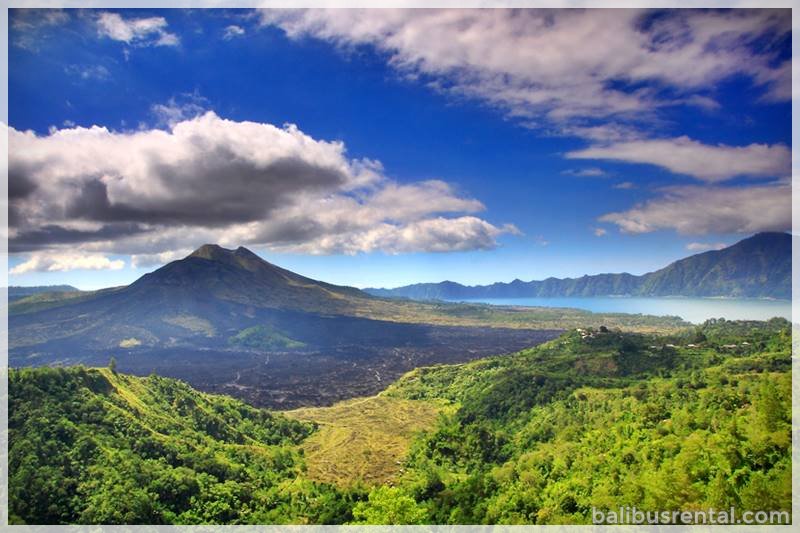
Besakih Temple, locally known as Pura Besakih, is the largest and one of the holiest Hindu temple complexes in Bali, Indonesia. Often called the Mother Temple of Bali, this sacred religious site holds a special place in the spiritual, cultural, and historical life of the Balinese Hindu community. Located on the southwestern slopes of Mount Agung in Karangasem Regency, East Bali, Besakih Temple offers a remarkable combination of ancient architecture, religious traditions, and breathtaking natural scenery.
The temple complex stands high above the surrounding countryside, providing panoramic views of green hills, terraced landscapes, and, on clear days, the distant coastline. Its elevated location and sacred atmosphere make Besakih Temple one of the most important cultural attractions in Bali, welcoming visitors from Indonesia and around the world.
For travelers interested in Balinese Hinduism, traditional architecture, local history, and the island’s spiritual heritage, a visit to Pura Besakih provides a deeper understanding of why Bali is widely known as the Island of the Gods.
Location of Besakih Temple
Besakih Temple is situated in Besakih Village, Rendang District, Karangasem Regency, in the eastern part of Bali. The temple complex occupies the southwestern slopes of Mount Agung, the highest mountain on the island and one of the most sacred places in Balinese Hindu belief.
Mount Agung has profound religious significance for the Balinese people. In traditional Balinese cosmology, mountains are associated with the sacred realm and the dwelling places of divine forces. Because of its height and spiritual importance, Mount Agung is regarded as a central symbol of holiness in Bali.
The location of Besakih Temple reflects this sacred relationship between the natural environment and religious life. The temple’s position on the mountain slope creates a dramatic setting, with stairways, courtyards, shrines, and traditional gateways arranged along the rising landscape.
The surrounding area also offers visitors an opportunity to experience the rural character of East Bali, including traditional villages, agricultural landscapes, and views of the mountain. The journey to Besakih Temple is therefore not only a religious and cultural excursion but also a scenic trip through one of Bali’s most distinctive regions.
The History and Origins of Besakih Temple
The history of Besakih Temple stretches back many centuries, although the precise date of its original establishment remains uncertain. Archaeological features, including ancient stone structures associated with megalithic traditions, suggest that the site may have been regarded as sacred before Hindu religious institutions developed in their later forms.
Over time, the temple became an important center of Hindu worship and religious activity. Its development was closely connected with the growth of Balinese kingdoms and the establishment of Hindu religious traditions throughout the island.
Historical accounts associate the early development of Besakih with the arrival and influence of Hindu religious teachers and rulers. The temple complex expanded gradually as additional shrines were constructed and different communities established their religious responsibilities within the sacred grounds.
During the reign of Balinese rulers, temples at Besakih became increasingly important as places for ceremonies, royal worship, and the preservation of religious traditions. Rather than being a single building established at one moment, Besakih developed over generations into an extensive complex of interconnected temples.
The sacred status of Besakih has endured through political changes, natural disasters, and the transformation of Bali into an internationally recognized tourism destination. Today, it remains a living religious center where worshippers gather for important ceremonies throughout the year.
The Meaning and Legend Behind the Name Besakih
The name Besakih is traditionally associated with the Sanskrit word Wasuki or Basuki, which is connected with the idea of well-being, safety, and prosperity. In Balinese religious tradition, the name is also linked to the concept of Basuki, meaning blessing, welfare, or spiritual protection.
One legend associated with the name comes from the Hindu story of Samudra Manthana, the churning of the ocean of milk. In this mythology, the serpent Vasuki serves as the rope used by the gods and demons to churn the cosmic ocean in search of the nectar of immortality.
The association between Besakih and Vasuki reflects the temple’s connection with ancient Hindu mythology and ideas of cosmic order. Over time, the name became closely identified with the sacred mountain sanctuary and its role in protecting spiritual balance and harmony.
Although different historical and religious explanations exist for the name, the important place of Besakih in Balinese Hindu belief is unquestionable. For local worshippers, the temple represents devotion, blessings, protection, and the relationship between humanity and the divine.
The Religious Significance of Besakih Temple
Besakih Temple is considered the principal Hindu temple complex in Bali. Its importance comes not only from its size but also from its role in coordinating religious life across the island.
The complex consists of numerous individual temples, each with its own religious function, ceremonies, and community responsibilities. These temples are connected through shared traditions and a broader understanding of the sacred landscape surrounding Mount Agung.
Besakih is especially important during major Balinese Hindu festivals, when worshippers from different villages and regions gather to pray and make offerings. These ceremonies demonstrate the enduring relationship between the temple and the communities that maintain it.
The complex also expresses the Balinese Hindu understanding of harmony among the divine world, human society, and the natural environment. This principle is reflected in the organization of the temple grounds, the placement of shrines, and the rituals performed throughout the year.
For the Balinese Hindu community, Besakih is more than a historic monument or tourist attraction. It is a sacred place where religious traditions continue to be practiced and passed from one generation to the next.
Pura Penataran Agung: The Main Temple of Besakih
The most prominent sanctuary within the Besakih complex is Pura Penataran Agung, the principal temple and the central focus of many important ceremonies.
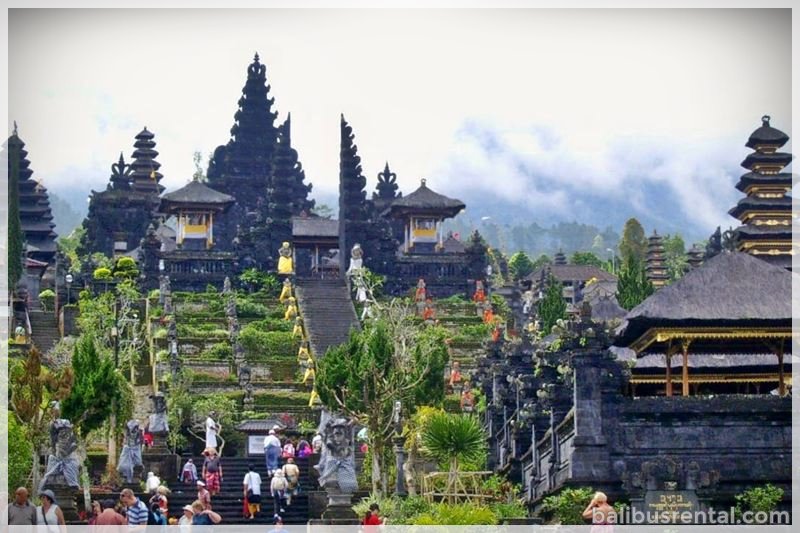
The temple is recognized by its impressive series of terraces, stairways, courtyards, and traditional split gates. These architectural elements follow the rising terrain and create a powerful visual perspective as visitors approach the central sanctuary.
Within the temple grounds, shrines and sacred structures are arranged according to religious principles. The distinctive meru towers, with their tiered roofs, are among the most recognizable features of Balinese Hindu temple architecture. Their number of roof tiers varies according to the deity or sacred presence associated with each shrine.
Pura Penataran Agung is particularly associated with the worship of the Hindu trinity, commonly known in Bali as the Trimurti: Brahma, Vishnu, and Shiva. In Balinese Hindu understanding, these divine manifestations are associated respectively with creation, preservation, and transformation.
The central temple also contains important shrines dedicated to the Supreme God, known in Balinese Hinduism as Sang Hyang Widhi Wasa. The temple’s religious symbolism expresses the unity of divine power and the importance of maintaining harmony throughout the universe.
During major ceremonies, the shrines are decorated with colorful cloth, ceremonial umbrellas, banners, and offerings. These decorations reflect the sacred character of the occasion and the devotion of the worshippers.
Visitors should remember that Pura Penataran Agung remains an active place of worship. Certain courtyards and shrines may be restricted during ceremonies or at other times, and access should always follow local temple regulations.
The Three Important Temples Representing the Hindu Trinity
The religious organization of Besakih includes several major temples that together express important aspects of Hindu belief.
1. Pura Penataran Agung — Shiva
Pura Penataran Agung is traditionally associated with Shiva, who represents transformation and the cycle of renewal. It is the principal temple of the complex and one of the most important destinations for worshippers visiting Besakih.
Its monumental stairways, terraces, shrines, and ceremonial spaces make it the best-known architectural feature of the temple complex.
2. Pura Kiduling Kreteg — Brahma
Pura Kiduling Kreteg is traditionally associated with Brahma, the divine principle of creation. It forms part of the wider religious landscape of Besakih and contributes to the symbolic relationship between the major temples.
The temple is traditionally connected with red ceremonial colors, which are associated with Brahma in this religious context.
3. Pura Batu Madeg — Vishnu
Pura Batu Madeg is traditionally associated with Vishnu, the divine principle of preservation and protection. It is another important sanctuary within the Besakih complex and contributes to the broader symbolism of the Hindu trinity.
Vishnu is commonly associated with the color black in this traditional ceremonial symbolism.
Together, these three temples represent creation, preservation, and transformation. Their relationship illustrates the Balinese Hindu understanding that the universe depends on the continuing interaction of these fundamental divine principles.
The temples also demonstrate how religious symbolism is expressed through architecture, colors, ceremonial objects, and the spatial organization of sacred places.
Balinese Hindu Cosmology and the Layout of Besakih Temple
The arrangement of Besakih Temple reflects the Balinese Hindu conception of the universe and the importance of maintaining balance between the spiritual and physical worlds.
Traditional Balinese architecture follows principles that consider direction, elevation, sacredness, and the relationship between buildings and the surrounding landscape. Mountains are generally associated with the sacred realm, while the sea represents another important part of the island’s cosmological understanding.
At Besakih, the rising slopes of Mount Agung provide a natural framework for the temple complex. Different shrines occupy distinct positions, creating a sacred landscape that connects religious architecture with the mountain environment.
This organization is closely related to traditional Balinese concepts of cosmic balance and Tri Hita Karana, the principle of harmony among human beings, the divine, and the natural environment.
The temple complex therefore represents more than a collection of religious buildings. Its architecture and location communicate a spiritual vision of the world in which human life, nature, and divine power are interconnected.
Religious Ceremonies and Festivals at Besakih Temple
Besakih Temple remains an active center of worship throughout the year. Numerous ceremonies take place according to the Balinese Hindu calendar, bringing together families, village communities, priests, and pilgrims from across the island.
One of the major ceremonies associated with Besakih is Panca Wali Krama, an important purification and renewal ceremony traditionally held at intervals of ten years according to the Balinese calendar. An even larger ceremony, Eka Dasa Rudra, is associated with a cycle of approximately one hundred Balinese calendar years and is intended to restore cosmic balance on a grand scale.
Other ceremonies are held according to the temple calendar and local religious traditions. During these occasions, worshippers bring offerings of flowers, fruit, rice, and other ceremonial items. Priests conduct prayers, and traditional music and ritual activities may accompany the ceremonies.
One especially important religious observance is Piodalan, the anniversary celebration of a temple’s founding or consecration, observed according to its traditional calendar. At Besakih, different temples within the complex may have their own ceremonial schedules.
During major festivals, the temple grounds become a gathering place for people from many parts of Bali. Participants often wear traditional ceremonial clothing, carry offerings, and take part in prayers that express gratitude, devotion, and the desire for continued prosperity.
These ceremonies offer insight into the living traditions of Balinese Hinduism, although visitors should observe quietly and respectfully and avoid entering areas reserved for worshippers.
Besakih Temple and the Spiritual Unity of Bali
Besakih is often described as the Mother Temple because of its importance to the religious life of the entire island. Its influence extends beyond the boundaries of Besakih Village or Karangasem Regency.
Different temples within the complex are maintained by religious communities and traditional authorities with specific responsibilities. These arrangements reflect the historical connections between Besakih and the various regions of Bali.
The temple therefore serves as a powerful symbol of unity. Although Balinese communities maintain their own local temples, ceremonies, and customs, Besakih provides a shared sacred center where people from different parts of the island can gather.
The concept of unity is also expressed through the worship of Sang Hyang Widhi Wasa, the Supreme God in Balinese Hinduism. Important shrines at Besakih represent the understanding that divine power can be worshipped through different manifestations while remaining part of a greater spiritual reality.
For this reason, Besakih is deeply respected by Balinese people and continues to play a major role in preserving the island’s cultural identity.
Architecture and Cultural Heritage of Besakih Temple
Besakih Temple is one of the finest places to appreciate traditional Balinese Hindu architecture. The complex contains numerous shrines, stepped courtyards, stone stairways, ceremonial gateways, and meru towers with tiered roofs.
Many of the structures are constructed from local stone and other traditional materials. Their appearance reflects centuries of architectural development, religious symbolism, and the adaptation of buildings to the mountain landscape.
The distinctive split gates, known as candi bentar, are familiar features of Balinese temple architecture. They create a dramatic entrance and mark transitions between different spaces within the temple grounds.
Other important architectural elements include enclosed courtyards, raised shrines, ceremonial pavilions, and sacred platforms. Each structure has a particular role within the temple’s religious organization.
The visual effect is especially impressive when the temples are viewed against the backdrop of Mount Agung. The combination of traditional architecture, mountain scenery, and ceremonial decorations creates a distinctive atmosphere that makes Besakih one of Bali’s most memorable cultural landmarks.
As a living religious complex, Besakih should also be understood as a place where heritage is actively maintained. The continued use of its buildings for worship ensures that its significance extends beyond architectural preservation alone.
The Best Time to Visit Besakih Temple
Besakih Temple can be visited throughout the year, although weather conditions and religious ceremonies may affect the visitor experience.
The dry season, generally from April to October, is often a convenient period for exploring the temple complex and enjoying views of the surrounding landscape. Clearer conditions may provide better visibility of Mount Agung and the countryside, although mountain weather can change quickly.
The rainy season can bring mist, rain, and slippery stairways. However, the surrounding vegetation may appear especially green and lush during this period.
Visitors who wish to experience Balinese religious traditions may also be interested in visiting during a major temple ceremony. Because ceremonial dates follow the Balinese calendar and schedules can change, it is advisable to check locally before planning a visit.
Early morning is often a pleasant time to explore the temple, particularly for travelers who prefer cooler temperatures and a quieter atmosphere. Regardless of the season, visitors should allow sufficient time to walk between the different temple areas and appreciate the architecture and scenery.
Travel Tips for Visiting Besakih Temple Bali
If you are planning a trip to Besakih Temple, the following suggestions can help make your visit more comfortable and respectful.
- Wear appropriate clothing: Visitors should dress modestly. A sarong and sash are generally required when entering temple areas, subject to local rules.
- Respect religious ceremonies: Do not interrupt prayers, walk in front of worshippers during rituals, or enter restricted courtyards.
- Follow local guidance: Observe signs and instructions from temple staff or local guides, especially where access is limited.
- Prepare for walking: The complex includes stairways, sloping paths, and uneven surfaces. Comfortable walking shoes are useful outside areas where footwear must be removed.
- Bring water and sun protection: The temple is located on a mountain slope, where conditions can change between sunshine, wind, and rain.
- Allow enough time: Plan for a few hours if you want to explore the main temple areas, appreciate the views, and learn about the religious significance of the site.
- Check current visitor arrangements: Entrance charges, access regulations, and available guide services may change, so confirm the latest information before traveling.
Besakih is a functioning sacred site rather than simply a historical monument. Respectful behavior helps preserve its religious importance for the local community.
How to Get to Besakih Temple from South Bali
Besakih Temple is located in the eastern part of Bali, making it a suitable destination for a full-day sightseeing trip from popular tourist areas such as Kuta, Seminyak, Canggu, Sanur, Nusa Dua, and Ubud.
Travel time depends on your departure point, traffic, and road conditions. A journey from South Bali can take around two to three hours or longer, while travel from Ubud is often shorter. These are approximate estimates rather than guaranteed journey times.
The most convenient option for many visitors is to arrange a private car with a driver or join an organized Bali sightseeing tour. A private vehicle provides flexibility to explore Besakih at your own pace and combine the visit with other destinations in East Bali.
Depending on your itinerary, nearby or onward stops may include traditional villages, scenic countryside, and other cultural attractions. However, it is worth allowing sufficient time for Besakih itself, particularly if you want to explore the temple complex rather than make only a brief visit.
For travelers staying in Bali’s southern resort areas, a private driver can also help coordinate departure times, sightseeing stops, and the return journey to the hotel.
Why Besakih Temple Should Be on Your Bali Travel Itinerary
Besakih Temple offers a unique opportunity to experience the spiritual heart of Bali. Its historical significance, sacred relationship with Mount Agung, traditional architecture, and continuing religious ceremonies make it one of the island’s most important cultural destinations.
Unlike attractions designed exclusively for tourism, Besakih remains closely connected with the everyday religious identity of the Balinese Hindu community. Its shrines continue to welcome worshippers, and its ceremonies preserve traditions that have developed over many generations.
The temple also rewards visitors with impressive scenery. From its elevated terraces, travelers can appreciate the surrounding mountains, green agricultural landscapes, and expansive views across the eastern part of Bali when weather conditions permit.
Whether you are interested in Balinese history, Hindu mythology, religious architecture, photography, or cultural travel, Besakih provides an enriching experience that goes beyond ordinary sightseeing.
A visit to the Mother Temple is an opportunity to discover the deep relationship between Bali’s people, their spiritual traditions, and the natural environment that shapes their island.
Conclusion: Discover the Sacred Mother Temple of Bali
Besakih Temple, the Mother Temple of Bali, stands as a lasting symbol of faith, cultural identity, and spiritual unity. Situated on the slopes of Mount Agung, this extensive Hindu temple complex preserves centuries of religious tradition while remaining an active center of worship for Balinese Hindus.
From the monumental terraces of Pura Penataran Agung to the temples associated with Brahma and Vishnu, each part of Besakih contributes to the complex’s rich religious symbolism. Its sacred architecture, ceremonial traditions, and spectacular mountain setting make it an essential destination for travelers who wish to understand Bali beyond its beaches and resort towns.
For anyone exploring East Bali, a journey to Pura Besakih offers a memorable introduction to the island’s spiritual heritage and the enduring importance of the Mother Temple in Balinese life.

Exploring Besakih Temple and the Cultural Attractions of East Bali
Besakih Temple is particularly fascinating during major religious festivals, when Balinese Hindu worshippers gather to pray, present offerings, and participate in traditional ceremonies. However, the grandeur of Pura Besakih can be appreciated throughout the year. Its magnificent temple terraces, traditional architecture, sacred atmosphere, and spectacular views of Mount Agung make it one of the most memorable destinations in Bali.
A visit to Besakih Temple can easily become a full-day sightseeing excursion, especially when combined with historical landmarks, traditional villages, and scenic countryside along the way. Travelers departing from South Bali can plan a journey through Klungkung, a historic town known for its cultural heritage and traditional arts. Depending on your interests, you may wish to stop for sightseeing, browse local shops, and discover the history of Bali’s former royal kingdoms.
For visitors staying in Denpasar or other southern resort areas, an early departure is recommended when planning a longer exploration of East Bali. Starting in the morning provides more time to visit the temples, enjoy the countryside, and experience the region without rushing between destinations.
Discover the Cultural Highlights of East Bali
An East Bali sightseeing tour can include several attractions beyond Besakih Temple. After exploring Klungkung, travelers may continue toward the eastern coastline, where traditional fishing communities, coastal scenery, and historic landmarks provide a different perspective on Balinese life.
One possible stop is Goa Lawah, also known as the Bat Cave Temple, a sacred Hindu temple built around a cave inhabited by thousands of bats. The temple is an important religious site and offers an opportunity to learn more about Balinese Hindu traditions.
Depending on the route and available time, visitors may also explore traditional fishing villages, enjoy lunch beside the sea, or stop in the shaded countryside surrounded by rice fields and tropical vegetation.
Another worthwhile destination is Tenganan Pegringsingan, an ancient Bali Aga village in Karangasem Regency. The village is known for preserving distinctive customs, traditional architecture, community practices, and the famous geringsing double-ikat textile tradition. Visiting Tenganan provides insight into cultural practices that differ from those found in many other parts of Bali.
Travelers continuing toward Amlapura, the principal town of Karangasem Regency, can discover more of East Bali’s traditional landscapes and historical attractions. The exact itinerary will depend on road conditions, departure time, and the number of stops included.
A Convenient Besakih and Karangasem Round Trip
With suitable road conditions, a day trip combining Besakih Temple and selected attractions in Karangasem can be a practical way to explore eastern Bali. The route connecting the Besakih area with Karangasem allows travelers to plan a circular journey rather than return along exactly the same road.
A suggested itinerary might include an early departure from South Bali, a visit to Besakih Temple in the morning, lunch in the countryside, and selected cultural or scenic stops in the afternoon. Depending on the route, visitors could include Goa Lawah, a traditional village, or another attraction in the Karangasem area before returning to their accommodation.
However, trying to visit every attraction in East Bali in a single day may make the journey tiring. Travelers who prefer a more relaxed experience may wish to divide the trip into two days, allowing additional time for cultural visits, local food, and the region’s beautiful scenery.
Experience Traditional Balinese Festivals
One of the most rewarding aspects of visiting East Bali is the opportunity to encounter local religious ceremonies and village festivals. Throughout the year, Balinese Hindu communities organize temple anniversaries, purification ceremonies, and other traditional observances according to their respective calendars.
These occasions often feature beautifully decorated temples, colorful ceremonial clothing, offerings, traditional music, and processions. Some festivals are unique to particular villages and reflect customs that have been preserved over many generations.
If you hope to experience a ceremony during your visit, ask your hotel, local guide, or driver about upcoming events. Because dates follow the Balinese calendar and individual temple schedules, it is advisable to confirm the details before finalizing your itinerary.
Visitors should remember that these celebrations are religious occasions rather than performances arranged for tourists. Observe respectfully, follow local guidance, dress appropriately, and ask permission before photographing worshippers or sacred activities.
Whether you visit during a major festival or on an ordinary day, the combination of Besakih Temple, historic Klungkung, traditional villages, and the scenic countryside makes East Bali an excellent destination for travelers seeking to discover the island’s authentic cultural heritage.
Besakih Temple Entrance Fees, Opening Hours, and Visitor Information
Before visiting Besakih Temple, Bali’s sacred Mother Temple, it is helpful to understand the entrance ticket prices, included facilities, additional charges, and opening hours. The following information provides a convenient guide to planning your visit.
1. Entrance Ticket Prices
The listed entrance fees for Besakih Temple are categorized according to nationality and age.
- International Adults: IDR 150,000 per person
- International Children: IDR 80,000 per person
- Indonesian Adults: IDR 80,000 per person
- Indonesian Children: IDR 40,000 per person
2. What Is Included in the Entrance Ticket?
The entrance ticket includes several facilities intended to make your visit more comfortable and help you explore the temple complex respectfully.
- Sarong and sash rental: Traditional attire required for entering the temple grounds.
- Local site guide: Assistance from a local guide who can introduce the temple’s history, cultural traditions, and religious significance.
- One-way electric shuttle service: Transportation from the parking or terminal area to the main temple zone.
Visitors who wish to use the electric shuttle for the return journey can pay an additional IDR 20,000 per person. Alternatively, you may walk back down, which generally takes around 10–15 minutes, depending on your pace and route.
3. Additional Parking and Transportation Fees
Separate charges may apply for parking and optional transportation services.
- Motorcycle parking: IDR 5,000
- Car parking: IDR 10,000
- Tour bus parking: IDR 50,000
- Return electric shuttle: IDR 20,000 per person
These prices are indicative and may change according to the latest visitor regulations. It is advisable to confirm the current fees at the official ticket counter before entering the complex.
4. Opening Hours of Besakih Temple
Besakih Temple is generally listed as open daily from 7:00 AM to 6:00 PM Central Indonesia Time (WITA). Opening arrangements and access to particular temple areas may vary during religious ceremonies or special events.
For a more enjoyable visit, arriving between 7:00 AM and 9:00 AM is recommended. Early mornings often provide cooler temperatures, fewer visitors, and a better chance of enjoying clear views of Mount Agung and the surrounding countryside.
5. Payment Methods and Practical Tips
Entrance tickets are purchased at the designated ticket counter. Cash or card payment may be available, but accepted payment methods can change, so carrying sufficient Indonesian rupiah in cash is a sensible precaution.
To make your visit more comfortable, consider the following suggestions:
- Wear modest clothing and follow the temple’s dress requirements.
- Allow two to three hours to explore the main temple areas at a comfortable pace.
- Bring drinking water, sunscreen, and comfortable walking shoes.
- Follow the instructions of local guides and respect areas reserved for worshippers.
- Check current entrance fees, shuttle arrangements, and opening hours before departure.
Important: The prices and operating details above are provided as a guide, not a guarantee of current rates. Confirm the latest information with Besakih Temple’s official visitor services before your trip.