Menjangan Island: A Complete Guide to Diving, Snorkeling & Coral Reefs
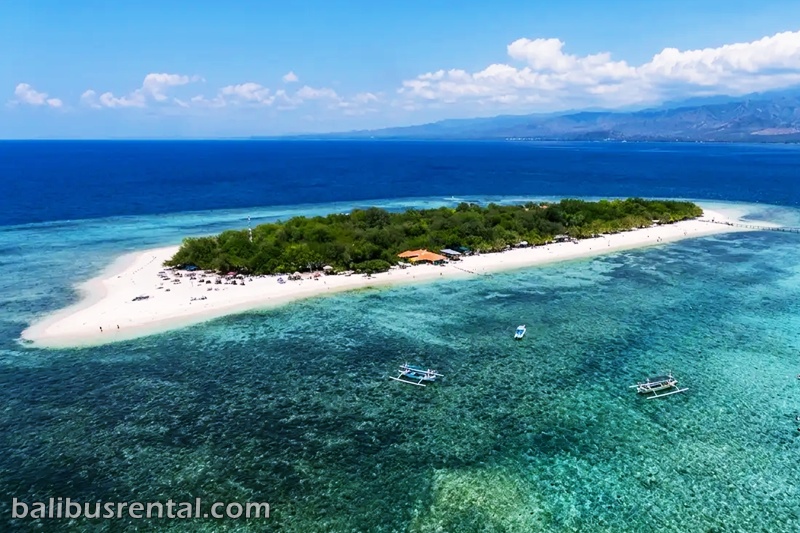
Menjangan Island is one of the most beautiful marine destinations in northwest Bali, famous for its crystal-clear waters, colorful coral reefs, spectacular underwater walls, and peaceful natural surroundings. Located just off the northwestern coast of Bali, this small island is part of West Bali National Park (Taman Nasional Bali Barat), a protected conservation area known for its rich marine biodiversity, tropical forests, and diverse wildlife.
Far removed from the busy tourist areas of southern Bali, Menjangan Island offers a wonderful escape for travelers seeking exceptional snorkeling, scuba diving, and nature-based experiences. Its relatively calm waters, impressive underwater landscapes, and healthy coral formations make it a popular destination for beginner and intermediate divers, experienced underwater explorers, and visitors who simply want to discover Bali’s marine beauty.
The name Menjangan means deer in Indonesian. The island received this name because wild deer can be found swimming between the mainland and the island. These animals are among the distinctive natural attractions associated with the area, although sightings are never guaranteed.
Unlike Bali’s more crowded beaches, Menjangan Island has a quiet, natural atmosphere. There are no large resort developments on the island itself, and its protected environment helps preserve the beauty of the surrounding reefs. Visitors generally arrive by boat from the mainland, especially from Labuhan Lalang Harbor, and spend the day exploring the island’s underwater scenery.
Where Is Menjangan Island Located?
Menjangan Island lies off the northwestern coast of Bali, within the waters of West Bali National Park. It is separated from the mainland by a relatively narrow stretch of sea and is accessible by boat from the Labuhan Lalang area.
The island is approximately 125 kilometers from Denpasar by road to the Labuhan Lalang departure area, although actual distances and travel times depend on the starting point and route. From popular southern Bali destinations such as Kuta, Sanur, Nusa Dua, and Seminyak, the journey commonly takes around three to four hours or longer, depending on traffic and road conditions.
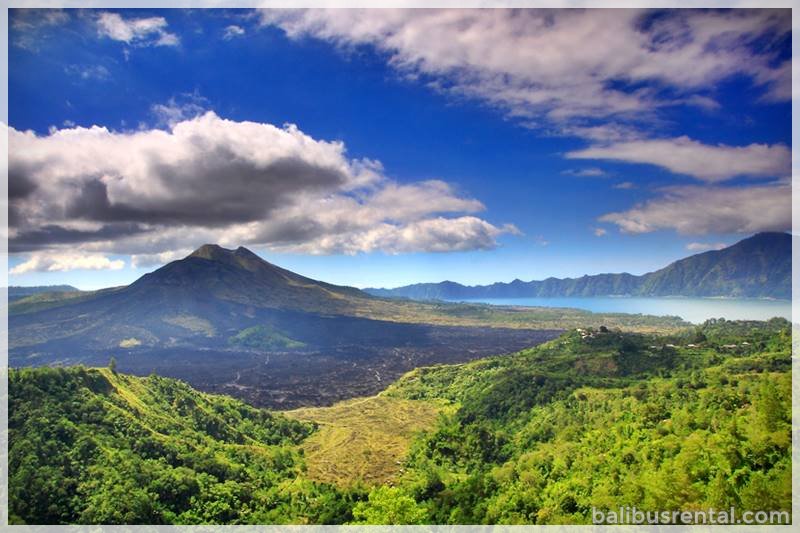
Its remote location is one of the reasons Menjangan Island remains attractive to visitors interested in quieter marine destinations. The long journey passes through several different landscapes, including traditional villages, agricultural areas, rice terraces, mountain scenery, and coastal communities.
Menjangan Island is particularly well known for:
- Spectacular coral walls and underwater drop-offs.
- Excellent snorkeling and scuba diving opportunities.
- Colorful hard and soft coral formations.
- Large sea fans and impressive barrel sponges.
- Tropical reef fish, including bannerfish, batfish, and fusiliers.
- A protected marine environment within West Bali National Park.
- Scenic boat journeys and peaceful island surroundings.
How to Get to Menjangan Island from Denpasar
Traveling to Menjangan Island is an experience in itself. Because the island is located in the far northwest of Bali, visitors usually travel by road to Labuhan Lalang Harbor before continuing by boat to the island.
For travelers staying in southern Bali, arranging private transportation with a driver can make the journey more comfortable. A private car or minivan allows you to leave at a convenient time, stop for photographs, and enjoy the countryside along the way.
There are two main road routes commonly used to reach the Menjangan Island area.
1. The Central Mountain Route via Bedugul and Munduk
The first route travels through the central highlands of Bali, passing through Tabanan, Bedugul, Munduk, and the northern coastal region near Seririt before continuing toward the northwest.
This route is ideal for visitors who enjoy mountain scenery and traditional Balinese landscapes. Along the way, you can see terraced rice fields, forested hills, mountain roads, lakes, and villages surrounded by tropical vegetation.
Bedugul is known for its cool mountain climate, Lake Beratan, and the famous Ulun Danu Beratan Temple. Further north, the Munduk region offers lush hillsides, coffee plantations, waterfalls, and panoramic views across the surrounding countryside.
As the road descends toward the northern coast, the scenery gradually changes from cool mountain landscapes to warmer coastal settlements. From there, the journey continues westward toward the Menjangan Island departure area.
This route is particularly appealing to travelers who want to combine a Menjangan Island excursion with sightseeing in central and northern Bali.
2. The Western Coastal Route via Tabanan, Negara, and Gilimanuk
The second route follows the western side of Bali, passing through Tabanan and continuing toward Negara, Cekik, and the Labuhan Lalang area.
This route offers a different perspective on the island, with views of rural communities, agricultural land, coastal scenery, and coconut plantations. Parts of the journey follow the main highway connecting Bali with the western ferry port at Gilimanuk, which serves as the crossing to Java.
After leaving the busier areas around Denpasar, the road passes through extensive rice-growing regions and smaller towns where daily life moves at a more relaxed pace. Farther west, the landscape becomes drier in places, with coconut plantations and open agricultural land becoming more noticeable.
Cekik is associated with the headquarters and access area of West Bali National Park. From the main highway, visitors continue toward Labuhan Lalang Harbor, where boats depart for Menjangan Island.
Both routes offer scenic experiences, but travel time depends on traffic, weather, road conditions, and the exact departure point. Travelers planning a same-day diving or snorkeling trip should leave early enough to reach the harbor at the time arranged with their tour operator.
Menjangan Island Diving: Explore Bali’s Spectacular Coral Walls
Menjangan Island is widely recognized as one of Bali’s outstanding scuba diving destinations. Its underwater scenery features dramatic coral walls, reef terraces, crevices, caves, and colorful coral gardens that attract divers from around the world.
One of the island’s most distinctive features is its steep underwater terrain. In many locations, coral-covered walls descend vertically before sloping outward into deeper water. Depending on the dive site, the walls can extend to depths of approximately 30 to 60 meters or more.
These underwater formations create a fascinating environment for marine life. Divers can explore narrow fissures, small grottoes, overhangs, and rocky sections covered with a variety of corals and sponges.
Large gorgonian sea fans are among the highlights of Menjangan’s reefs. These delicate-looking coral structures can grow to impressive sizes, creating beautiful underwater scenes for photographers. Large barrel sponges and colorful soft corals also contribute to the reef’s distinctive appearance.
The combination of steep walls, excellent coral formations, and generally favorable visibility makes Menjangan Island especially attractive to underwater photographers and divers who appreciate reef structure as much as fish life.
Water Visibility and Diving Conditions
Menjangan Island is often praised for its clear water. Visibility can sometimes reach around 25 to 50 meters under favorable conditions, although it varies with currents, rainfall, tides, weather, and the particular dive site.
The island’s relatively sheltered position can provide calmer conditions than some more exposed coastal dive locations. However, currents and changing sea conditions are still possible, and visibility should never be assumed to remain constant.
Beginners may enjoy selected shallow reef sites with suitable conditions, while experienced divers can explore deeper walls with qualified guides. Dive operators normally choose locations according to weather, current strength, certification level, and the experience of the group.
For safety, visitors should follow their dive guide’s instructions, stay within their training limits, and avoid entering caves or narrow underwater passages unless the site and their qualifications specifically permit it.
Marine Life and Coral Reef Biodiversity
Menjangan Island’s reefs support a variety of tropical marine life, making every dive or snorkeling session an opportunity to discover something different.
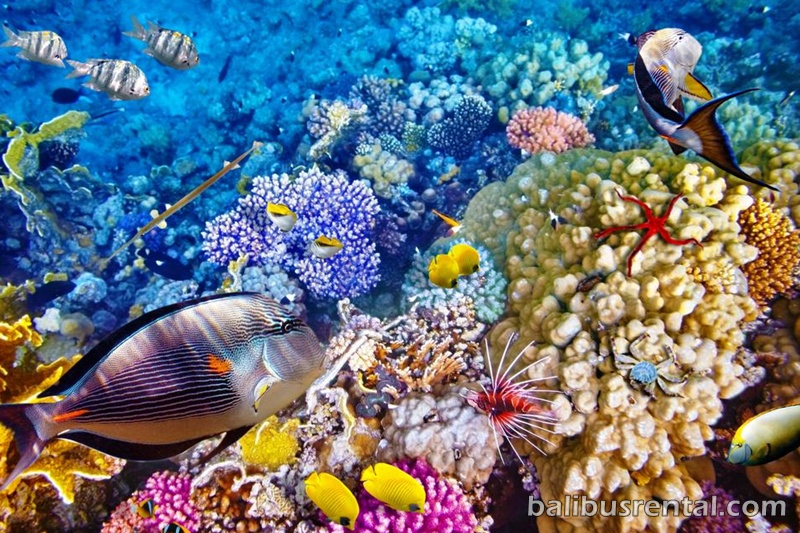
Among the fish commonly associated with the island’s reefs are batfish, bannerfish, fusiliers, angelfish, butterflyfish, and other colorful reef species. Larger groups of fish may gather along reef edges, while smaller species shelter among branching corals and rocky crevices.
Batfish are particularly memorable because of their distinctive rounded bodies and flattened profiles. They may approach divers out of curiosity, although their behavior varies from one encounter to another.
Longfin bannerfish are another attractive sight, with their striking black-and-white markings and elongated dorsal fins. Schools of fusiliers may also pass through the blue water near the reef, creating moving patterns of silver and yellow.
The coral ecosystem is equally impressive. Hard corals provide structure and shelter for many reef organisms, while soft corals add movement and color to the underwater landscape. Gorgonian sea fans and barrel sponges contribute to the reef’s three-dimensional appearance.
Although some divers may find the number or variety of fish different from other Indonesian diving destinations, Menjangan’s dramatic walls and coral formations are major attractions in their own right.
Visitors should remember that the reef is a living ecosystem. Touching coral, standing on reef formations, collecting marine organisms, or carving names into sponges and other underwater structures can cause lasting damage. Responsible snorkeling and diving help protect this fragile environment for future generations.
Best Diving Sites Around Menjangan Island
Menjangan Island offers several dive sites, each with its own underwater character. Exact site selection depends on the weather, sea conditions, and the operator’s assessment on the day.
1. Eel Garden
Eel Garden is one of the best-known dive sites around Menjangan Island. It is valued for its reef formations, colorful marine life, and areas where divers can observe fish moving along the reef.
The site offers opportunities to appreciate the diversity of the coral ecosystem and explore different depths according to experience and conditions.
2. Pos Dua
Pos Dua is another popular diving area, featuring coral-covered slopes and walls with a variety of tropical reef fish. Depending on conditions, divers may encounter schools of fish, sponges, and colorful coral formations.
The combination of reef scenery and marine life makes it an appealing option for divers seeking a varied underwater experience.
3. Anchor Wreck
Anchor Wreck is associated with a historic shipwreck site and is often visited by divers interested in underwater history as well as marine life.
The wreck and surrounding reef create an unusual setting for exploration. Conditions, depth, and the suitability of a visit depend on the exact location and the diver’s certification and experience.
4. Coral Garden
Coral Garden features shallower reef areas that can be particularly attractive for underwater photography and snorkeling when conditions are suitable.
The colorful corals and reef fish provide plenty to observe without necessarily requiring a deep dive. Visitors should nevertheless remain aware of their surroundings and avoid contact with the reef.
Snorkeling at Menjangan Island
Menjangan Island is also an excellent destination for snorkeling, making it accessible to visitors who do not scuba dive.
The island’s clear water and reef terraces provide opportunities to observe tropical fish and coral formations from the surface. In suitable locations, the reef begins in relatively shallow water before descending toward deeper sections.
Snorkeling trips generally involve a boat journey from Labuhan Lalang Harbor to one or more locations around the island. Guides select suitable areas based on visibility, wind, currents, and the abilities of the group.
A typical snorkeling excursion may include several stops, allowing visitors to experience different parts of the reef. Some tours also include time on the island’s beach or a break for lunch, depending on the operator and itinerary.
For the best experience, bring reef-safe sun protection, a towel, drinking water, and suitable swimwear. A properly fitted mask and snorkel are essential, and a flotation vest is helpful for visitors who are not confident swimmers.
Never stand on coral to rest or adjust your equipment. Even apparently solid reef formations can be fragile, and contact can damage the coral or injure your feet.
What to Expect on a Menjangan Island Diving Trip
Many visitors explore Menjangan Island through a full-day organized diving or snorkeling excursion from southern Bali.
A typical trip begins early in the morning, often with hotel pickup around 7:00 to 8:00 a.m., although departure times vary by operator and accommodation location.
For scuba diving trips, the operator generally arranges transportation, dive tanks, weights, and any equipment included in the booking. Rental masks, fins, wetsuits, and other equipment may be available depending on the package. Some tours provide a packed lunch and drinking water.
After the road journey to Labuhan Lalang Harbor, guests board a boat for the trip to Menjangan Island. The boat ride provides views of the surrounding coastline and protected natural environment.
Upon arrival, the group prepares for snorkeling or diving. Divers receive a briefing covering the selected site, depth, currents, entry and exit procedures, and safety requirements.
A common full-day diving itinerary includes two dives at different locations, with a surface interval and lunch break between them. The precise route may change according to sea conditions and the guide’s judgment.
Snorkeling excursions may include multiple reef stops and time to relax on the island, subject to park regulations and the tour schedule.
After the activities finish, visitors return by boat to Labuhan Lalang and continue by road to their accommodation. Because of the long drive, many travelers arrive back in southern Bali in the late afternoon or evening.
Traveling Through West Bali National Park
Menjangan Island forms part of West Bali National Park, an important protected area established to conserve Bali’s terrestrial and marine ecosystems.
The park includes forests, coastal habitats, mangrove areas, and surrounding waters that support a variety of wildlife. The mainland section is also known for its conservation work involving the endangered Bali starling, one of Bali’s most distinctive native birds.
The park’s protected status helps safeguard its natural environment, including the coral reefs surrounding Menjangan Island. Visitors should follow applicable entry requirements, use authorized access points, and respect any restrictions established by park authorities.
The island’s natural appeal comes from its relatively undeveloped character. Instead of large commercial beach facilities, visitors experience a quieter environment centered on the sea, reefs, and surrounding landscape.
Anyone visiting the area should take all rubbish back to the mainland, avoid disturbing wildlife, and follow their guide’s instructions about permitted activities.
Best Time to Visit Menjangan Island
Menjangan Island can be visited throughout much of the year, but the most suitable conditions depend on the weather, sea state, and visibility.
The drier months, generally from April to October, are often favored for outdoor activities in Bali. During this period, visitors may enjoy more settled weather, although conditions can change from day to day.
The rainy season, usually from November to March, can bring heavier rainfall and changing sea conditions. Diving and snorkeling may still be possible, but trips can be adjusted or canceled if conditions are unsuitable.
For underwater photography, good visibility and calm water are especially desirable. It is best to check the forecast and confirm conditions with a local dive operator before departure.
Because Menjangan Island is a considerable distance from southern Bali, booking ahead is recommended, particularly during busy holiday periods.
Practical Tips for Visiting Menjangan Island
To make your Menjangan Island trip more enjoyable, consider the following recommendations:
- Leave early: The drive from southern Bali is long, so an early departure helps you reach the harbor on schedule.
- Choose a reputable operator: Look for qualified dive guides, well-maintained equipment, and clear safety procedures.
- Bring sun protection: A hat, sunglasses, and reef-conscious sun protection are useful during the journey and boat trip.
- Carry drinking water: Staying hydrated is important in Bali’s warm tropical climate.
- Prepare for the boat ride: If you are prone to seasickness, ask a healthcare professional about appropriate preventive measures before traveling.
- Respect marine life: Never touch, feed, chase, or collect coral reef organisms.
- Check what your package includes: Transportation, boat fees, park admission, equipment rental, meals, and guide services may be priced separately.
- Allow enough time: Traffic, road conditions, weather, and boat schedules can affect the overall duration of the trip.
Menjangan Island Tour with Private Transportation
For travelers staying in Kuta, Seminyak, Sanur, Nusa Dua, Ubud, or other parts of southern Bali, arranging private transportation can be a convenient way to reach Menjangan Island.
A private car or minivan with a driver offers flexibility for the long journey to northwest Bali. It can be particularly useful for couples, families, and small groups who prefer traveling together rather than joining a shared transfer.
The drive can also be combined with selected sightseeing stops, provided there is enough time and the arrangements are compatible with the boat departure schedule. Popular places in the wider region include Bedugul, Lake Beratan, Munduk, and scenic rural areas along Bali’s western and northern roads.
However, travelers planning a full-day diving excursion should avoid adding too many stops, as the marine activities and return journey already require considerable time.
When booking transportation, confirm the pickup location, departure time, return arrangements, vehicle capacity, and whether fuel and parking are included. Boat transfers and marine activities should also be arranged separately unless they are explicitly included in the package.
Why Visit Menjangan Island?
Menjangan Island is a rewarding destination for anyone who wants to discover a different side of Bali beyond its famous beaches, shopping districts, and cultural attractions.
Its underwater walls, colorful coral reefs, clear water, and rich marine environment make it one of the island’s most memorable destinations for diving and snorkeling. The journey through Bali’s countryside adds another dimension to the experience, revealing traditional villages, mountain landscapes, rice terraces, and quieter coastal regions.
Whether you are an experienced scuba diver, a beginner exploring underwater life for the first time, or a traveler seeking a peaceful nature excursion, Menjangan Island offers a unique opportunity to appreciate Bali’s marine biodiversity.
With responsible tourism, careful planning, and respect for its protected environment, this beautiful island remains a special destination for exploring the natural wonders of northwest Bali.
Plan your Menjangan Island trip by arranging suitable transportation, checking local sea conditions, and choosing a snorkeling or diving operator that prioritizes safety and marine conservation.
Menjangan Island Entrance Fee in Bali
The entrance fee for Menjangan Island, located within West Bali National Park (Taman Nasional Bali Barat), varies depending on the visitor’s nationality and the day of the visit. Based on the provided rates, international tourists pay IDR 200,000 per person on weekdays and IDR 300,000 per person on weekends and public holidays. Indonesian citizens generally pay IDR 30,000 per person, excluding any applicable local insurance contributions or additional activity fees.
Menjangan Island Entrance Ticket Prices
1. International Visitors (WNA)
- Weekdays (Monday–Friday): IDR 200,000 per person
- Weekends and Public Holidays (Saturday–Sunday): IDR 300,000 per person
2. Indonesian Citizens (WNI)
- Weekdays: IDR 30,000 per person
- Weekends and Public Holidays: IDR 30,000 per person
Additional charges for insurance, terminal services, or specific activities may apply depending on the current regulations and ticketing arrangements.
Additional Costs for Visiting Menjangan Island
Besides the entrance ticket, visitors should prepare a budget for transportation, boat transfers, and optional snorkeling or diving activities.
- Boat Charter or Transfer: A boat from Labuhan Lalang Harbor or the Banyuwedang area may cost approximately IDR 400,000 to IDR 675,000 or more per boat. Prices depend on the departure point, boat capacity, and whether you choose a private or shared transfer.
- Tour Guide and Permit Services: Local guide services and park-related arrangements may involve additional charges. Some organized Menjangan Island tour packages include these costs in the total price.
- Snorkeling and Diving Equipment: Equipment rental typically costs around IDR 50,000–IDR 100,000, depending on the equipment required and the provider. Scuba diving packages generally cost more and may include tanks, professional guides, and other necessary equipment.
- Transportation to the Harbor: Travelers departing from Denpasar, Kuta, Seminyak, Sanur, or Nusa Dua should also budget for road transportation to the island’s boat departure point.
Tips for Planning Your Menjangan Island Trip
To avoid unexpected expenses, confirm the latest entrance ticket prices and any applicable conservation, insurance, or activity fees before traveling. Ask your tour operator whether the package includes park admission, boat transfers, snorkeling equipment, meals, and guide services.
Important: The prices listed above are indicative rates provided for reference and should be verified with West Bali National Park authorities or an authorized local tour operator before your visit, as official fees and regulations may change.