Munduk Village – Discover Picturesque Rice Fields, Waterfalls & Coffee Plantations
Munduk Village is one of the most beautiful mountain destinations in northern Bali, Indonesia. Famous for its cool mountain climate, lush green landscapes, scenic rice fields, tropical forests, coffee plantations, and traditional Balinese culture, Munduk offers a peaceful escape from the busy tourist areas of southern Bali. Surrounded by rolling hills and fertile agricultural land, this charming highland village is an excellent destination for nature lovers, photographers, hikers, and travelers who want to experience the authentic atmosphere of rural Bali.
Located in the highlands of Buleleng Regency, Munduk lies approximately 500 to 1,200 meters above sea level, depending on the surrounding area. Its cooler temperatures, often around 20–25°C in the higher elevations, make it particularly comfortable for outdoor activities. Visitors can enjoy countryside walks, rice field trekking, jungle exploration, birdwatching, waterfall excursions, plantation visits, and cultural sightseeing while discovering the traditional lifestyle of the Balinese people.
Unlike the busier coastal resorts, Munduk retains a quiet village atmosphere where agriculture, religious traditions, and community life remain important parts of everyday living. The surrounding scenery combines terraced rice paddies, clove trees, coffee gardens, avocado plantations, and tropical vegetation, creating an attractive landscape throughout the year.
The Natural Beauty of Munduk Village
Munduk is particularly well known for its beautiful mountain scenery and fresh highland air. The village and its surrounding countryside provide excellent opportunities to appreciate Bali’s natural environment away from crowded beaches and commercial shopping districts.
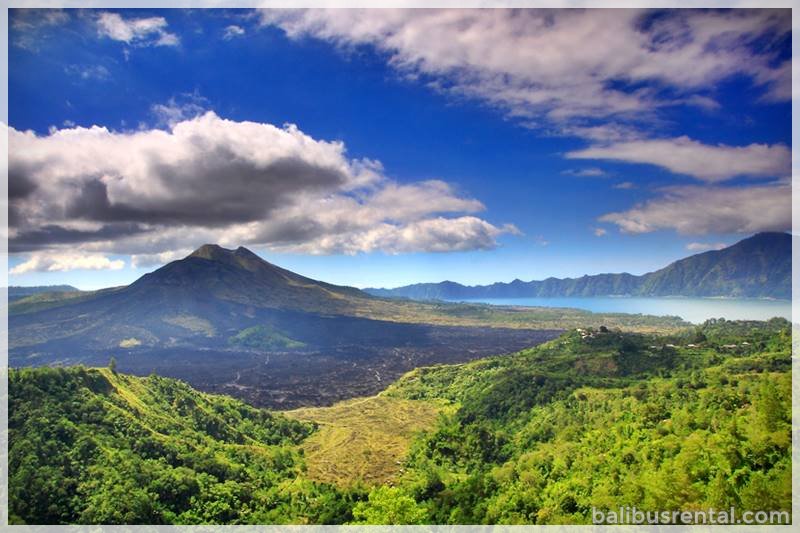
The landscape changes with the seasons. During the rainy season, the hills and plantations become especially lush and green, while the cooler, misty mornings create an atmospheric setting for photography. On clear days, visitors can enjoy views across the surrounding valleys, forested slopes, agricultural terraces, and distant mountain landscapes.
The combination of fertile volcanic soil, regular rainfall, and cooler temperatures supports a variety of crops. Coffee, cloves, cocoa, vanilla, nutmeg, and avocados are among the agricultural products associated with the wider region. These plantations form an important part of the local economy and provide visitors with an opportunity to understand how traditional farming continues to shape life in the Balinese highlands.
For travelers seeking a relaxing destination, Munduk is ideal for slowing down, enjoying the scenery, and exploring the countryside at a comfortable pace.
Munduk Rice Fields and Traditional Balinese Agriculture
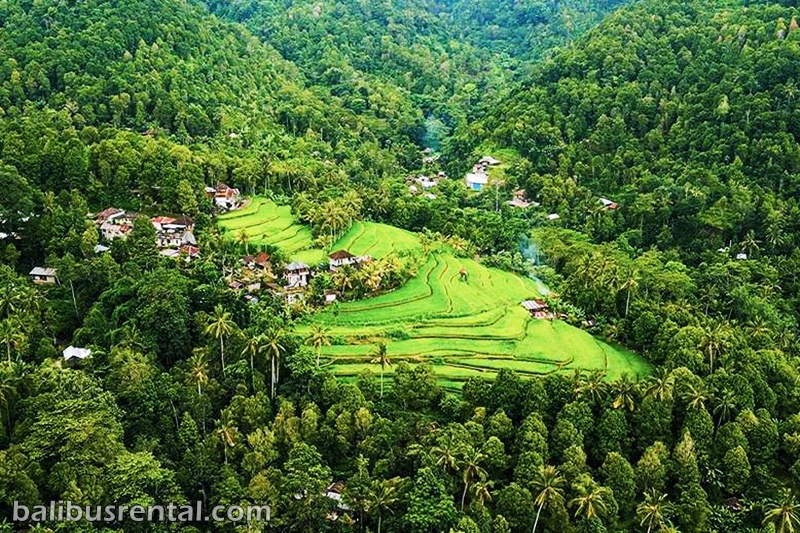
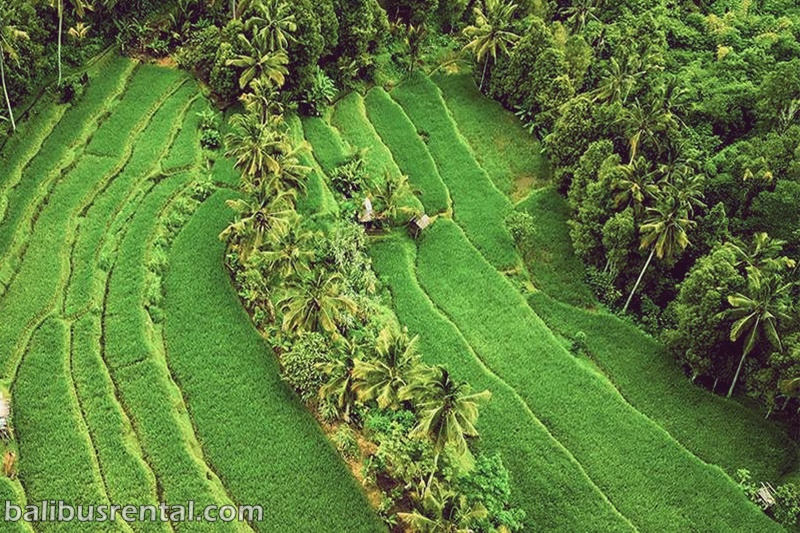
One of the most attractive experiences in Munduk Village is walking through the picturesque rice fields that surround the highland countryside. The green terraces, narrow footpaths, irrigation channels, and traditional farm buildings create a beautiful rural landscape that reflects the close relationship between Balinese society and agriculture.
Rice is one of the most important crops in Bali. Beyond being a staple food, it holds deep cultural and religious significance. Rice cultivation is connected to ceremonies, offerings, temple traditions, and the Balinese understanding of harmony between people, nature, and the spiritual world.
Historically, Balinese farmers developed sophisticated wet-rice farming systems that allowed communities to cultivate rice efficiently despite variations in terrain and water availability. The traditional subak irrigation system is a notable example of this cooperation. It coordinates water distribution among farmers through community institutions and religious practices, helping maintain agricultural productivity while strengthening social relationships.
Although the appearance and methods of cultivation vary between Bali’s lowlands and highlands, rice farming remains an important symbol of the island’s rural heritage.
Visitors exploring Munduk can observe farmers tending their fields, preparing the soil, managing irrigation, and harvesting crops according to seasonal conditions. Walking through the countryside with a local guide can provide a deeper understanding of traditional agricultural practices and the importance of rice in Balinese daily life.
The best way to experience these landscapes is on foot, following village paths and plantation trails while respecting private farmland and the work of local farmers.
The History and Origins of Munduk Village
Munduk has a rich local history shaped by migration, agriculture, colonial influence, and cultural exchange. Although some details of its earliest settlement are preserved through local traditions and oral accounts, the village’s development reflects the broader history of northern Bali.
According to local legend, the early settlement of Munduk was associated with people seeking refuge in the mountains while escaping an invasion of ants. Like many traditional Balinese stories, this account forms part of the village’s oral heritage and offers an intriguing explanation of its early origins.
Historical accounts also associate the settlement and development of Munduk with groups that migrated from other parts of Bali, including the Klungkung area, several centuries ago. These movements helped establish communities in the fertile highlands, where the climate and agricultural conditions supported farming and permanent settlement.
Over time, Munduk developed as part of the cultural and economic landscape of northern Bali. Its position among the mountain routes connecting different parts of the island made the surrounding region significant for movement, trade, and administration.
The history of Bali includes the expansion of the Majapahit kingdom’s influence from Java, followed much later by Dutch colonial expansion. However, the exact routes and events associated with Munduk should be distinguished from broader historical developments elsewhere on the island.
Today, the village’s historical character can still be appreciated through its traditional houses, agricultural landscapes, local customs, and surviving examples of older architecture.
Munduk During the Dutch Colonial Period
During the Dutch colonial period, northern Bali developed as an important administrative and economic region. Singaraja became a major center of colonial administration, while the cooler mountain environment around Munduk attracted interest as a retreat from the warmer coastal lowlands.
Historical accounts associate Munduk with the development of guesthouses and colonial-style buildings during the early twentieth century. A guesthouse for Dutch officials is reported to have opened in 1908, reflecting the growing interest in the highlands as a place for rest and recreation.
The colonial period also influenced agricultural production in parts of northern Bali. Coffee, cocoa, cloves, and vanilla became important commercial crops, alongside traditional subsistence farming. The introduction and expansion of plantation agriculture helped shape the surrounding countryside and contributed to the region’s reputation for fertile agricultural land.
Some older buildings in Munduk reflect a mixture of European architectural influences and traditional Balinese construction. These features offer an interesting glimpse into a period when local communities experienced new economic opportunities as well as significant political and cultural changes.
For visitors interested in history, walking through Munduk provides an opportunity to appreciate how the village’s agricultural traditions, highland setting, and architectural heritage have evolved over time.
Coffee, Clove, Cocoa, and Spice Plantations
Munduk is an excellent destination for travelers who want to explore Bali’s traditional plantations. The cooler mountain climate and fertile soil support a variety of crops, allowing farmers to cultivate products that are less common in the island’s hotter coastal areas.
Coffee plantations are among the region’s best-known agricultural attractions. Visitors may have the opportunity to see coffee plants growing beneath shade trees, learn about harvesting and processing methods, and sample locally produced coffee. Depending on the plantation, guides may explain the differences between Arabica and Robusta coffee and describe how beans are dried, roasted, and prepared.
Clove plantations are another distinctive feature of the surrounding countryside. Clove trees are valued for their aromatic flower buds, which are harvested and dried for use in Indonesian cooking, traditional preparations, and the country’s clove-cigarette industry.
Cocoa plantations introduce visitors to the cultivation of cacao, the tropical crop used to produce chocolate. A plantation visit may explain how cacao pods grow directly from the trunk and branches, how the beans are fermented, and how they are prepared for further processing.
Other crops grown in the wider highland region include avocado, nutmeg, vanilla, and various tropical fruits and spices. The exact crops available to see depend on the location, season, and individual farm.
Visiting a plantation is more than a sightseeing activity. It provides an opportunity to learn about rural livelihoods, traditional agricultural knowledge, and the role of farming in Bali’s economy.
Outdoor Activities in Munduk Village
The natural surroundings of Munduk make it one of northern Bali’s most rewarding destinations for outdoor activities. Its combination of mountain trails, plantations, forests, waterfalls, and village paths appeals to travelers who prefer nature-based experiences.
1. Rice Field Hiking and Countryside Walks
Walking through Munduk’s rice fields is a wonderful way to discover the village at a slower pace. Trails often pass through terraced fields, small streams, gardens, and traditional settlements. Along the way, visitors can observe daily village activities and enjoy views of the surrounding hills.
Some paths are uneven, steep, or slippery after rain, so comfortable walking shoes are recommended. Hiring a local guide can help visitors follow suitable routes and learn about the landscape.
2. Jungle Trekking
The forested hills around Munduk offer opportunities for guided trekking through tropical vegetation. Depending on the route, a walk may include shaded forest trails, plantation paths, small valleys, and scenic viewpoints.
The region’s cooler weather can make hiking more comfortable than in Bali’s hotter coastal areas. Nevertheless, humidity, rainfall, and changes in elevation can affect walking conditions, so visitors should bring drinking water and suitable footwear.
3. Waterfall Exploration
Munduk is widely associated with the waterfalls of northern Bali. The wider area includes well-known attractions such as Munduk Waterfall and Melanting Waterfall, which are reached by walking trails through lush vegetation.
The waterfalls are particularly attractive after rainfall, when water flows strongly through the forested landscape. Visitors should take care on wet steps and muddy paths, follow local safety instructions, and avoid swimming where currents or conditions are unsafe.
4. Birdwatching and Nature Photography
The forests, gardens, and agricultural areas around Munduk provide opportunities to observe birds and other wildlife. Early mornings can be especially rewarding, when the air is cool and bird activity is often noticeable.
Nature photographers can capture mist-covered hills, green rice terraces, plantation landscapes, tropical plants, and waterfalls. Visitors should observe wildlife quietly and avoid disturbing birds or damaging their habitats.
5. Cultural Sightseeing
Munduk’s cultural attractions include traditional village settlements, local temples, family compounds, and agricultural areas connected to Balinese customs. Exploring the village with a knowledgeable local guide can provide insight into religious ceremonies, community traditions, and the importance of family and village life.
Visitors should dress respectfully when entering temples and follow local guidance concerning appropriate clothing, photography, and access to sacred areas.
Balinese Culture and Traditional Knowledge in Northern Bali
Northern Bali has a long history of cultural and intellectual activity. The wider Singaraja area is particularly important for the preservation of Balinese literature and historical manuscripts.
One notable institution is Gedong Kirtya in Singaraja, a manuscript library established in 1928. Its collections include traditional palm-leaf manuscripts known as lontar, which preserve texts relating to literature, religious teachings, mythology, medicine, customary knowledge, and other aspects of Balinese intellectual heritage.
The establishment of the library reflects the importance of documenting and preserving traditional knowledge during a period of significant social and political change. Researchers and scholars have played an important role in collecting, studying, and safeguarding these manuscripts.
Northern Bali has also experienced creative exchanges between traditional Balinese music and other musical influences. Local musicians and artists continue to explore different forms of performance while maintaining connections to Balinese artistic traditions.
Although these cultural developments are associated with the wider region rather than exclusively with Munduk, they provide useful context for understanding the cultural richness of northern Bali.
The Traditional Lifestyle of Munduk Residents
Life in Munduk remains closely connected to the natural environment. Farming, family responsibilities, religious observances, and community activities continue to influence the daily rhythm of the village.
Visitors may see farmers working in plantations, residents caring for gardens, and families preparing offerings for religious occasions. Depending on the season, agricultural activities may include harvesting coffee, drying cloves, tending vegetables, or maintaining rice fields.
Balinese Hindu traditions are deeply connected to the agricultural calendar. Ceremonies and offerings express gratitude, seek harmony, and reinforce the relationships between individuals, families, communities, and the natural world.
Travelers should remember that Munduk is a living village rather than simply a tourist attraction. Respectful behavior includes asking permission before photographing residents, keeping noise to a minimum, respecting temple boundaries, and avoiding damage to crops or private property.
Choosing locally operated accommodation, guides, restaurants, and plantation experiences can also help support the village economy.
Best Time to Visit Munduk Village
Munduk can be visited throughout the year, but weather conditions influence the type of experience available.
The dry season, generally from April to October, often offers more convenient conditions for hiking, plantation visits, and exploring the countryside. Clearer mornings may provide better views across the surrounding hills, although cloud and rain can occur at any time.
The rainy season, generally from November to March, brings lush vegetation and attractive waterfall scenery. However, trails can become muddy and slippery, and mist may reduce visibility. Flexible plans are advisable during periods of heavy rainfall.
Early morning is often an excellent time to explore Munduk because temperatures are cooler and the countryside can be especially peaceful. Afternoon cloud and rain are possible in the highlands, so visitors planning longer walks should allow sufficient time to return before dark.
Because Munduk sits at a higher elevation than southern Bali’s coastal resorts, visitors should bring a light jacket or sweater, particularly for early mornings and evenings.
How to Get to Munduk Village
Munduk is located in Buleleng Regency in northern Bali. The drive from southern tourist areas such as Kuta, Seminyak, Canggu, or Nusa Dua typically takes several hours, depending on traffic, the starting point, and road conditions.
Travelers can reach Munduk by private car with a driver, rental vehicle, or organized Bali sightseeing tour. A private vehicle is particularly convenient for visitors who want to stop at scenic viewpoints, temples, lakes, and traditional villages along the way.
The journey can be combined with visits to attractions around Bedugul, including Lake Beratan and Ulun Danu Beratan Temple, depending on the itinerary. Travelers can also explore the surrounding highlands before continuing toward northern Bali’s coastal areas.
Mountain roads may be winding, and travel times can vary considerably during weekends, holidays, and rainy weather. Visitors planning a day trip should allow enough time for driving and walking rather than trying to fit too many destinations into a single schedule.
For a more relaxed experience, consider staying overnight in Munduk. This allows more time for waterfall trekking, plantation visits, village walks, and enjoying the cool mountain atmosphere without rushing back to southern Bali.
Why Visit Munduk Village?
Munduk is an excellent choice for travelers who want to discover a quieter and more natural side of Bali. Its mountain scenery, picturesque rice fields, tropical forests, waterfalls, and traditional plantations create a distinctive highland experience.
The village is especially suitable for couples, nature enthusiasts, photographers, hikers, cultural travelers, and visitors who want to explore beyond Bali’s popular beach destinations. It also offers an opportunity to learn about traditional agriculture and the continuing relationship between Balinese culture and the natural environment.
Whether you spend a few hours walking through the countryside or several days exploring the surrounding highlands, Munduk provides a memorable introduction to rural northern Bali.
For visitors planning a Bali sightseeing itinerary, Munduk Village is a worthwhile destination to include alongside Bedugul, Lake Beratan, Ulun Danu Beratan Temple, and the waterfalls of northern Bali. Its combination of fresh mountain air, agricultural heritage, cultural traditions, and beautiful landscapes makes it one of the island’s most appealing destinations for nature-based travel.
Munduk Village Entrance Fees and Visitor Costs
Visiting Munduk Village in North Bali is generally free of charge. Travelers can explore the village, admire its beautiful mountain scenery, and enjoy views of the surrounding rice fields and plantations without purchasing a general admission ticket. However, some individual attractions, including waterfalls, designated viewpoints, and photography spots, may require separate entrance or parking fees.
Waterfall Entrance Fees in Munduk
Munduk is famous for its tropical waterfalls, forest trails, and lush highland scenery. The following prices are indicative estimates and may vary depending on the entrance location, local management, and current regulations.
- Munduk Waterfall (Red Coral Waterfall): Approximately IDR 20,000–45,000 per person.
Some recent visitor reports indicate a fee of around IDR 45,000. - Melanting Waterfall: Approximately IDR 10,000–20,000 per person.
- Labuhan Kebo Waterfall: Approximately IDR 20,000 per person.
- Belong Waterfall: Approximately IDR 20,000 per person.
- Golden Valley Waterfall: Access may be free or available for a small donation through certain routes or connected businesses. Other access arrangements may involve a fee of approximately IDR 20,000.
These waterfalls offer opportunities to enjoy nature walks, take photographs, and experience the peaceful atmosphere of Bali’s northern highlands. Visitors should check the latest entrance prices at the ticket counter before beginning their trek.
Other Fees in Munduk Village
Munduk Rice Terraces: Walking through the surrounding rice fields is generally free, although certain viewpoints, photo locations, or attractions such as swings may charge an additional fee.
Parking Fees: Parking charges at waterfall entrances and trekking trailheads generally
- IDR 2,000–5,000 for a scooter
- IDR 5,000–10,000 for a car.
But the Prices may differ between locations.
Optional Local Guide: Visitors who want to explore several waterfalls on a guided trekking route can consider hiring a local guide. Indicative prices range from IDR 80,000–160,000 per person, depending on the route, duration, and services included. Confirm the total cost before starting the walk.
Tips for Visiting Munduk Village
- Bring sufficient cash in Indonesian rupiah, as smaller ticket counters and parking areas may not accept card payments.
- Wear comfortable walking shoes because waterfall trails can include steep steps, uneven ground, and slippery surfaces.
- Ask about combined tickets if you plan to visit several waterfalls in one day.
- Check entrance fees locally, as prices and access arrangements can change.
- Consider visiting early in the morning for cooler temperatures and a more peaceful trekking experience.
Important: The prices above are approximate guidance rather than guaranteed current rates. Confirm the latest fees with the attraction’s local ticket office before visiting.