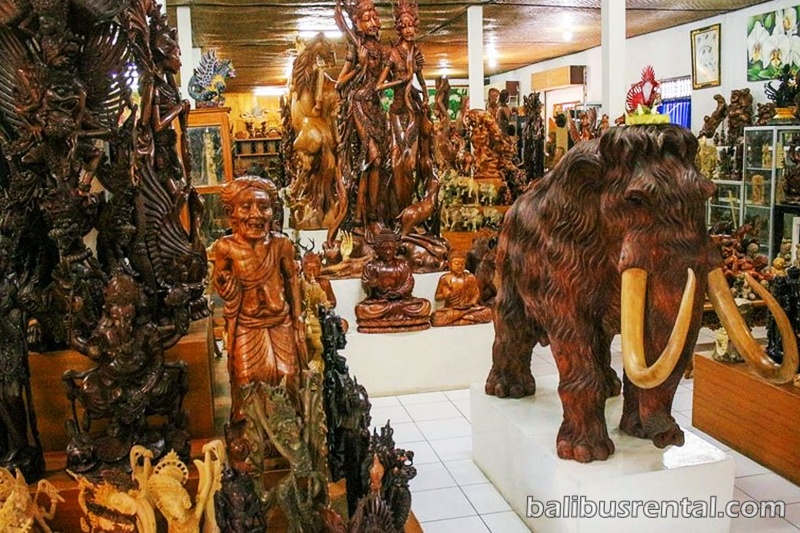
Mas Village: Discover the Art of Traditional Balinese Wood Carving
Mas Village is one of Bali’s most renowned traditional art villages, famous for its exceptional wood carving, talented local artisans, and rich cultural heritage. Located in Ubud District, Gianyar Regency, in the eastern part of Bali, Mas Village has earned an international reputation as a center for traditional Balinese wood carving. Visitors can explore art galleries, family-run workshops, and craft showrooms to discover the remarkable skill and creativity behind the island’s wooden sculptures.
The distinctive carving style of Mas Village reflects a harmonious relationship between human life, nature, spirituality, and Balinese philosophy. Local artists transform blocks of wood into detailed sculptures, decorative ornaments, religious figures, and expressive representations of everyday life. These works demonstrate not only technical skill but also the cultural values and artistic imagination passed down through generations.
For travelers interested in Balinese arts and crafts, Mas Village is an excellent destination for cultural sightseeing, traditional art appreciation, and authentic souvenir shopping near Ubud.
History and Artistic Heritage of Mas Village
The artistic identity of Mas Village developed over many generations, supported by the knowledge, dedication, and creativity of local woodcarving families. Wood carving became an important part of the village’s cultural identity and livelihood, with traditional techniques handed down from experienced masters to younger generations.
Mas Village gained particular recognition through the achievements of influential Balinese artists who helped introduce local wood sculpture to a wider audience. One of its most celebrated figures was Ida Bagus Tilem, a distinguished woodcarving artist known for his contribution to the development and recognition of Balinese sculpture.
Through the work of artists such as Ida Bagus Tilem, Mas Village became increasingly well known among Indonesian art enthusiasts and international visitors. Today, the village continues to attract people who appreciate traditional craftsmanship, contemporary sculpture, and the cultural stories expressed through wood.
Although modern designs and international influences have become part of the local art scene, many artisans continue to preserve traditional carving methods and the artistic values that define Mas Village.
The Unique Style of Balinese Wood Carving
Wood carving in Mas Village is distinguished by its detailed workmanship, expressive forms, and close connection with Balinese cultural traditions. Skilled artisans use hand tools and carefully selected wood to create sculptures that range from small decorative objects to large, elaborate artistic works.
The subjects represented in Mas Village wood carvings are varied and meaningful.
Religious and spiritual sculptures: Many artists create figures inspired by Hindu mythology, temple traditions, and sacred symbolism. These sculptures may represent deities, legendary characters, and spiritual themes associated with Balinese Hindu culture.
Human figures and everyday life: Another important subject is the daily life of Balinese people. Carvings may depict farmers working in rice fields, fishermen, merchants, laborers, dancers, musicians, and other members of society. These sculptures provide artistic interpretations of local customs and community life.
Nature-inspired designs: Animals, plants, flowers, trees, and other natural forms are popular subjects. Their intricate details reflect the close relationship between Balinese art and the surrounding environment.
Abstract and contemporary sculptures: Some artists explore modern forms and imaginative compositions, expressing personal ideas about human nature, movement, emotion, and philosophy.
The choice of wood plays an important role in the finished artwork. Depending on the design and availability, artisans may work with different types of timber, including suar wood, mahogany, and other locally used hardwoods. Each type has its own color, grain, texture, and carving characteristics.
Visitors who enter a woodcarving workshop can often observe the process of transforming an ordinary piece of timber into a carefully shaped sculpture. This opportunity provides a deeper appreciation of the patience, precision, and experience required to produce traditional Balinese handicrafts.
Ida Bagus Tilem and the Development of Mas Village Art
The name Ida Bagus Tilem holds an important place in the artistic history of Mas Village. He was recognized for his distinctive approach to wood sculpture and his role in bringing greater attention to the village’s artistic traditions.
His work helped demonstrate that Balinese wood carving could be appreciated not only as decorative handicraft but also as a serious form of artistic expression. Through the creativity of individual masters and the continuing efforts of local carving families, Mas Village established a reputation that extends beyond Bali.
The artistic legacy associated with these masters continues to inspire younger generations of sculptors. Contemporary carvers may preserve traditional subjects and techniques while experimenting with new forms, artistic concepts, and international market preferences.
This combination of heritage and innovation is one of the reasons Mas Village remains an important destination for anyone interested in Balinese art.
Location of Mas Village and How to Get There
Mas Village is situated along the main road connecting Denpasar with Ubud, making it convenient to include in a Bali sightseeing itinerary. The village is approximately 15 kilometers from Denpasar, although actual travel distance and journey time depend on the starting point and traffic conditions.
Travelers heading toward Ubud from Denpasar can pass through the Sakah area, which is known for a prominent monument depicting a baby. This landmark serves as a recognizable reference point along the route and reflects symbolic ideas associated with human life and its beginnings.
Mas Village is accessible by private car, motorcycle, taxi, or a chartered vehicle with a driver. Visitors staying in Ubud can also arrange a short excursion to explore its woodcarving galleries and workshops.
For a more convenient experience, travelers can combine a visit to Mas Village with other attractions around Ubud and Gianyar, such as traditional art markets, Balinese temples, rice terraces, and cultural attractions.
What to See and Do in Mas Village
A visit to Mas Village offers more than an opportunity to purchase wooden souvenirs. It also provides a chance to learn about the artistic traditions and working lives of Balinese craftspeople.
1. Visit Traditional Woodcarving Workshops
One of the most interesting activities is visiting a local woodcarving workshop. Depending on the workshop, visitors may see artisans measuring, shaping, carving, and finishing wooden sculptures by hand.
Observing the process helps explain why intricate sculptures can require considerable time and specialized knowledge. Visitors can also ask questions about carving techniques, wood selection, and the meaning behind particular designs when the artisans are available.
2. Explore Art Galleries and Craft Showrooms
Mas Village has galleries and showrooms displaying a variety of wooden artworks. These may include religious statues, decorative panels, animal figures, traditional masks, and contemporary sculptures.
The collections vary from one gallery to another, so it is worth visiting several locations to appreciate the different styles and levels of detail. Some galleries focus on traditional Balinese subjects, while others feature modern interpretations of wood sculpture.
3. Shop for Authentic Balinese Souvenirs
Mas Village is a popular place to look for distinctive souvenirs and handcrafted gifts. Smaller pieces may be suitable for travelers who want something easy to carry, while larger sculptures appeal to collectors and interior designers.
Before purchasing an artwork, visitors should ask about the type of wood, the artist or workshop responsible for the piece, its dimensions, and shipping arrangements if it is too large to carry home. Prices can vary considerably depending on the size, material, intricacy, and reputation of the artist.
4. Learn About Balinese Art and Culture
Wood carving offers an introduction to the wider cultural traditions of Bali. Religious symbolism, traditional stories, human relationships, and natural surroundings frequently influence the subjects chosen by local artists.
By speaking with artisans and examining their work, visitors can gain a better understanding of how traditional craftsmanship continues to play a role in Balinese cultural life.
5. Discover the Local Village Atmosphere
Beyond the galleries, Mas Village retains its identity as a Balinese community. Exploring the area provides a glimpse of local architecture, family businesses, community life, and the relationship between traditional skills and modern tourism.
Visitors should remember that workshops, temples, and family compounds may be private or sacred spaces. It is courteous to ask permission before entering restricted areas or photographing people at work.
Traditional Religious Ceremonies and Cultural Practices
In addition to its woodcarving heritage, Mas Village and its surrounding communities maintain Balinese Hindu traditions through temple ceremonies, offerings, and communal religious activities.
Ceremonial customs in Bali can differ between villages, temples, and local customary communities. These differences may involve the timing of rituals, the materials used in offerings, the responsibilities of temple priests, and the ceremonial decorations prepared by residents.
Some local traditions preserve distinctive practices that are not identical to those followed in other parts of Bali. Such variations demonstrate the richness of the island’s customary culture and the importance of local traditions in community life.
Religious ceremonies may include offerings made from leaves, flowers, and other materials, accompanied by prayers and traditional preparations. In particular communities, the design of ceremonial decorations and the roles of religious specialists reflect customs inherited from earlier generations.
Visitors should approach these practices with respect. Ceremonies are religious occasions rather than tourist performances, and access may be restricted during certain rituals. If a ceremony is taking place during your visit, ask a local guide or community representative whether visitors may observe and follow any instructions concerning dress, photography, and appropriate behavior.


Facilities for Visitors to Mas Village
As an established destination for art and cultural tourism, Mas Village offers visitor services through its galleries, workshops, and surrounding businesses. Depending on the location, visitors may find parking areas, toilets, small shops, souvenir outlets, and places to purchase snacks or refreshments.
Facilities are not necessarily identical throughout the village, so travelers visiting a particular gallery or workshop should confirm available amenities in advance, especially when traveling with children or older family members.
The village is generally suitable for a short cultural stop during a day trip around Ubud. Travelers planning to purchase large wooden sculptures should also consider transportation space and whether the seller can arrange packing and delivery.
Best Time to Visit Mas Village
Mas Village can be visited throughout the year. Daytime visits are generally convenient because many workshops and galleries operate during regular business hours, although individual opening times vary.
A morning visit may provide a more relaxed opportunity to explore the galleries and observe artisans at work. Combining the village with other nearby attractions can also make the most of a day exploring Ubud and the surrounding Gianyar countryside.
If you wish to see a particular artist, visit a specific workshop, or observe a traditional cultural activity, contact the relevant establishment beforehand. Not every artisan works in a public-facing workshop, and religious ceremonies follow their own customary schedules.
Combine Mas Village with an Ubud Sightseeing Tour
Because of its convenient location, Mas Village can be included in a cultural sightseeing tour of Ubud and central Bali. A private car or minibus with a driver allows visitors to explore several attractions at their own pace.
Depending on your interests and available time, a suggested itinerary may include:
- Mas Village: Explore traditional wood carving, art galleries, and local craft workshops.
- Celuk Village: Discover the area’s traditional goldsmithing and silversmithing heritage.
- Batuan Village: Visit a village known for its traditional Balinese painting and cultural architecture.
- Ubud: Explore art markets, galleries, local shops, and cultural attractions.
- Tegalalang Rice Terraces: Enjoy the scenic green rice terraces north of Ubud.
The route can be adjusted to suit your schedule, interests, and preferred pace of travel. Travelers staying in southern Bali can arrange a day trip from areas such as Kuta, Sanur, Seminyak, or Nusa Dua.
Why Visit Mas Village in Bali?
Mas Village is an excellent destination for travelers who want to discover the artistic side of Bali beyond its beaches and resort areas. Its long-standing woodcarving tradition, skilled artisans, diverse sculpture styles, and connection with Balinese cultural life make it an important stop for art enthusiasts and cultural travelers.
Whether you are interested in religious sculptures, contemporary wooden artwork, traditional handicrafts, or locally made souvenirs, Mas Village provides an opportunity to experience the creativity and craftsmanship that have helped establish Bali’s reputation as an island of art.
Mas Village Bali Entrance Fee and Visitor Information
Visiting Mas Village in Bali is generally free of charge, as there is no general admission ticket required to walk around the village and explore its traditional woodcarving area. Located in Ubud District, Gianyar Regency, Mas Village is famous for its skilled artisans, traditional Balinese wooden sculptures, and art galleries showcasing a wide variety of handcrafted creations.
Mas Village Entrance Fee Details
- Entrance Fee: Free of charge for general access to the village.
- Location: Mas Village, Ubud District, Gianyar Regency, Bali, Indonesia.
- Main Attractions: Traditional woodcarving workshops, art galleries, sculpture showrooms, and local handicraft shops.
- Woodcarving Experience: Visitors may be able to observe local artisans carving wooden sculptures and learn about traditional Balinese craftsmanship, depending on workshop availability.
- Shopping Costs: Wooden sculptures, decorative ornaments, and handcrafted souvenirs are available for purchase, with prices depending on the size, type of wood, and complexity of the artwork.
- Guided Tours: Optional guided cultural tours and private transport services are available at additional costs. Packages combining Mas Village with nearby attractions, such as Celuk Village or the Tegalalang Rice Terraces, may start from approximately USD 45 – USD 50, depending on the itinerary, group size, and transportation arrangements.
Is Mas Village Worth Visiting?
Mas Village is an excellent destination for travelers interested in Balinese art, traditional handicrafts, and local culture. Visitors can explore the village’s galleries, admire intricate wooden sculptures, and discover the craftsmanship behind one of Bali’s best-known artistic traditions.
Although general village access is free, individual galleries and workshops may have their own policies, and guided experiences or purchases may incur additional charges. It is advisable to confirm any specific fees before visiting.
Travel tip: Include Mas Village in your Ubud sightseeing itinerary to experience traditional Balinese wood carving alongside other cultural attractions in Gianyar.