Rambut Siwi Temple
Rambut Siwi Temple (Pura Rambut Siwi) is one of the most beautiful and historically significant Hindu temples in West Bali. Located in Yeh Embang Village, Mendoyo District, Jembrana Regency, this sacred temple stands majestically on a coastal cliff overlooking the vast Indian Ocean. Surrounded by lush tropical vegetation, shady trees, traditional Balinese architecture, and spectacular ocean scenery, Rambut Siwi Temple offers a peaceful atmosphere for worship and sightseeing.
Situated approximately 10 km from Negara town, Pura Rambut Siwi is easily accessible by car, making it an interesting destination for visitors exploring the western part of Bali. The temple is located between Air Satang and Yeh Embang villages, just a short distance from the main Denpasar–Gilimanuk highway. Visitors can follow a small access road near a popular roadside truck stop to reach the temple complex.
For travelers interested in Balinese culture, Hindu traditions, religious history, and beautiful coastal landscapes, Rambut Siwi Temple is a worthwhile place to visit during a West Bali sightseeing tour.
History and Legend of Rambut Siwi Temple
Rambut Siwi Temple has a close historical connection with Danghyang Nirartha, also known as Danghyang Dwijendra, a highly respected Hindu priest from Java who traveled to Bali during the 16th century. His journey across Bali played an important role in the development of Balinese Hinduism, and several temples across the island are associated with his spiritual journey.
According to local legend, when Danghyang Nirartha first arrived in western Bali from Java, he traveled through the countryside on his way to meet the king of Bali in Gelgel, Klungkung. During his journey, he heard about a serious epidemic that had affected the people of Gading Wani Village.
Danghyang Nirartha visited the village and used his spiritual power to help overcome the disease. The grateful villagers were deeply impressed by his kindness and spiritual abilities. They asked him to remain in their village, but the priest explained that he still had an important journey to complete.
Before continuing his journey, Danghyang Nirartha left a lock of his hair with the local community as a sacred object and a symbol of protection. This relic became an important object of worship, and the temple was subsequently known as Pura Rambut Siwi.
The name Rambut Siwi comes from two Balinese-related words: rambut, meaning hair, and siwi, meaning worship or veneration. Together, the name is commonly understood as the worship or veneration of the sacred hair.
Danghyang Nirartha was also given the honorific title Pedanda Sakti Wawu Rawuh, which can be translated as the powerful high priest who had newly arrived. His spiritual journey is remembered through several important temples in Bali, including Rambut Siwi, Tanah Lot, and Uluwatu.
The Beautiful Location of Pura Rambut Siwi
One of the main attractions of Rambut Siwi Temple is its spectacular natural setting. The temple is built on a high coastal cliff, providing magnificent views of the Indian Ocean and the long coastline of Jembrana.
Unlike some of Bali’s more crowded tourist attractions, Rambut Siwi Temple generally offers a quieter environment where visitors can appreciate the natural beauty and spiritual atmosphere of the surroundings.
The sound of waves crashing against the shore, the fresh sea breeze, and the surrounding tropical trees create a relaxing environment. From the temple grounds, visitors can enjoy beautiful ocean views, especially during the late afternoon when the sunlight creates attractive colors across the sea.
The temple complex has undergone renovations and improvements over the years to maintain its religious importance and provide a suitable place for Hindu worship. Its elevated position also makes it an excellent location to appreciate the coastal scenery.
Temple Architecture and Sacred Buildings
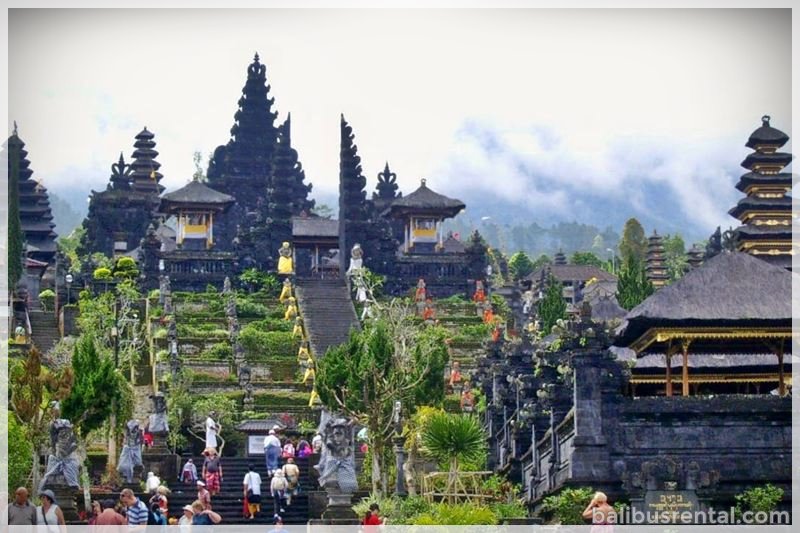
Pura Rambut Siwi features traditional Balinese temple architecture, with beautifully arranged shrines, stone carvings, gateways, and religious structures. The temple buildings reflect the artistic traditions and spiritual values of Balinese Hindu culture.
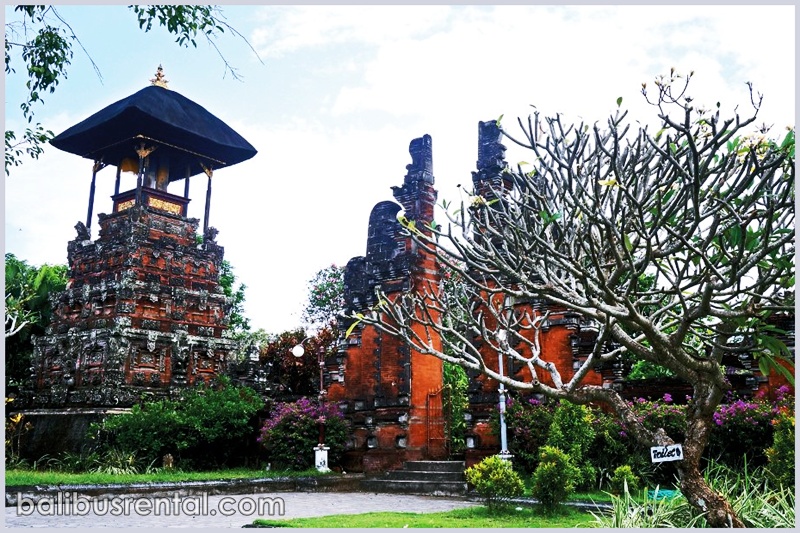
Some structures feature red-brick construction and decorative relief carvings inspired by traditional Hindu stories and ancient Balinese artistic traditions. Visitors can also find ornamental sculptures and guardian figures around the temple entrances.
One notable feature is the presence of guardian statues and traditional decorations that protect the sacred temple grounds. These architectural details provide an interesting glimpse into the craftsmanship and religious symbolism found in Balinese temples.
The temple complex is surrounded by shady trees, including beautiful frangipani trees, which contribute to its peaceful atmosphere. The combination of traditional architecture and ocean scenery makes Rambut Siwi one of the most picturesque coastal temples in West Bali.
Pura Segara and the Beachside Temples
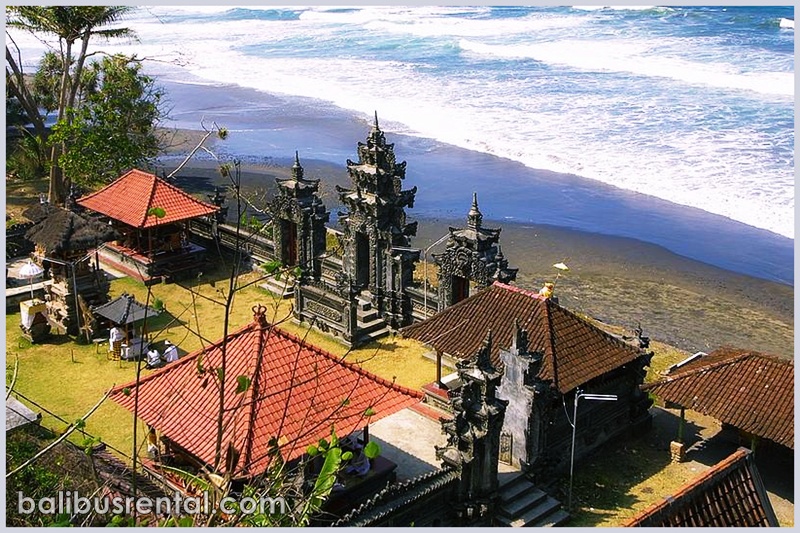
Apart from the main temple on the cliff, the Rambut Siwi coastal area also features several smaller sacred temple structures closer to the beach. These temples are associated with the spiritual relationship between the Balinese Hindu community and the sea.
One of them is Pura Segara, a seaside temple located near the shoreline. In Balinese Hindu tradition, sea temples have an important role in religious ceremonies and spiritual activities connected with the ocean.
According to local stories, the surrounding coastal area is also associated with a magical tiger that found a peaceful place to live near the beach. Such legends form part of the traditional stories that enrich the cultural heritage of Rambut Siwi.
Visitors walking around the coastal area can enjoy the natural landscape, observe the traditional religious structures, and appreciate the connection between Balinese spiritual beliefs and the natural environment.
Please remember that these smaller temple areas are sacred places. Visitors should respect local customs and avoid entering restricted areas without permission.
Religious Importance of Rambut Siwi Temple
Pura Rambut Siwi is an important Hindu worship site for the local Balinese community, particularly residents of Jembrana Regency and surrounding villages.
The temple is maintained and supported by the local community, which takes responsibility for religious ceremonies, temple maintenance, and other traditional activities.
Like other important temples in Bali, Rambut Siwi serves as a place for prayers, offerings, and religious celebrations. During important Hindu holy days, the temple becomes a gathering place for worshippers who come to pray and participate in traditional ceremonies.
The sacred hair relic associated with Danghyang Nirartha is an important part of the temple’s religious identity and historical legend.
For local Hindus, the temple is not simply a tourist attraction but a sacred place that represents faith, cultural heritage, and the spiritual history of Bali.
Things to See and Do at Rambut Siwi Temple
Visitors exploring Rambut Siwi Temple can enjoy several interesting activities:
1. Admire the Indian Ocean views: Enjoy the beautiful panoramic scenery from the temple grounds overlooking the coastline of West Bali.
2. Explore traditional Balinese architecture: Discover the temple gates, shrines, sculptures, and decorative carvings that reflect Balinese religious art.
3. Learn about Balinese Hindu history: Discover the legend of Danghyang Nirartha and the origins of the temple’s name.
4. Visit the coastal temple area: Explore the sacred structures near the beach and appreciate their connection with Balinese Hindu traditions.
5. Enjoy photography: Capture the beautiful combination of traditional temple architecture, tropical vegetation, cliffs, and ocean scenery.
6. Experience a peaceful atmosphere: Spend some time enjoying the quiet surroundings away from the busier tourist destinations in southern Bali.
7. Enjoy the coastal landscape: Walk around suitable public areas near the beach and experience the natural beauty of Jembrana’s coastline.
Location and How to Get to Rambut Siwi Temple
Rambut Siwi Temple is situated in Yeh Embang Village, Mendoyo District, Jembrana Regency, on the western coast of Bali.
The temple is approximately 10 km from Negara town and can be reached by private car, taxi, or a vehicle with a driver.
Approximate travel distances from several popular destinations:
| Starting point | Approximate distance |
|---|---|
| Negara | 10 km |
| Medewi Beach | 15–20 km |
| Gilimanuk | 55–60 km |
| Tabanan | 55–65 km |
| Denpasar | 75–85 km |
| Kuta | 85–95 km |
| Ubud | 90–105 km |
Travel times depend on traffic, road conditions, and your starting point.
The temple is located along the main western Bali route connecting Denpasar, Tabanan, Negara, and Gilimanuk. Its convenient location makes it suitable for travelers visiting several attractions in Jembrana Regency.
Best Time to Visit Rambut Siwi Temple
The best time to visit Rambut Siwi Temple is generally in the morning or late afternoon. Morning visits offer pleasant temperatures and a peaceful atmosphere, while afternoon visits provide beautiful coastal scenery and opportunities to enjoy the changing colors of the Indian Ocean.
The late afternoon is particularly attractive for photography because of the natural lighting over the coastline.
Visitors planning to explore the temple should allow approximately 30–60 minutes, depending on their interest in architecture, religious history, photography, and the surrounding coastal scenery.
Travel Tips for Visiting Rambut Siwi Temple
To make your visit comfortable and respectful, consider the following tips:
-
Wear modest clothing when entering the temple area.
-
Follow local temple regulations and respect sacred places.
-
Wear a sarong and sash if required by the temple.
-
Avoid entering restricted areas reserved for worshippers.
-
Ask permission before photographing religious ceremonies or local worshippers.
-
Keep the temple environment clean and do not leave rubbish behind.
-
Be careful when walking near cliffs and coastal areas.
-
Check local conditions before visiting during religious ceremonies.
Women who are menstruating may be subject to traditional Balinese temple entry restrictions.
Explore West Bali with Bali Bus Rental
Rambut Siwi Temple is an excellent destination to include in a West Bali sightseeing trip. Its location makes it possible to combine cultural exploration with visits to other interesting destinations along Bali’s western coastline.
For a comfortable journey, visitors can arrange a private car with a driver or rent a minibus for families and groups. Having your own transportation makes it easier to explore multiple destinations without depending on public transportation.
Bali Bus Rental provides private transportation services with experienced local drivers for sightseeing tours, family holidays, airport transfers, and group travel around Bali.
You can include Rambut Siwi Temple in a sightseeing itinerary together with:
-
Medewi Beach: A popular destination for surfing and enjoying the natural coastline.
-
Negara Town: The main town of Jembrana Regency, known for its local culture and traditional bull races.
-
Perancak Village: Famous for its traditional fishing boats and coastal atmosphere.
-
Gilimanuk: The western gateway of Bali, connecting the island with Java by ferry.
-
West Bali National Park: A beautiful natural conservation area known for its wildlife, forests, and marine attractions.
Whether you are traveling as a couple, family, or large group, private transportation with a professional driver makes exploring West Bali more convenient and enjoyable.
Rambut Siwi Temple Entrance Fee
Visitors planning to explore Rambut Siwi Temple (Pura Luhur Rambut Siwi) in Jembrana, West Bali, may be asked to pay an entrance fee or make a voluntary contribution to support the maintenance and preservation of the temple.
The entrance fee is generally reported to range from IDR 15,000 to IDR 40,000 per person, with IDR 20,000 being a commonly reported amount. The actual contribution may vary depending on local arrangements and temple management.
Entrance Fee and Visitor Information
-
Entrance Fee: Approximately IDR 15,000–IDR 40,000 per person (commonly IDR 20,000).
-
Sarong and Sash: Usually provided or available for a small additional rental fee or contribution.
-
Opening Hours: Generally accessible daily. Although the temple may be open throughout the day, morning and late afternoon are recommended for sightseeing.
-
Dress Code: Visitors must wear appropriate traditional temple attire, including a sarong and sash, when entering the sacred temple grounds.
Note: Entrance fees, clothing rental arrangements, and visiting regulations may change. It is advisable to confirm the latest information with the local temple staff before visiting.