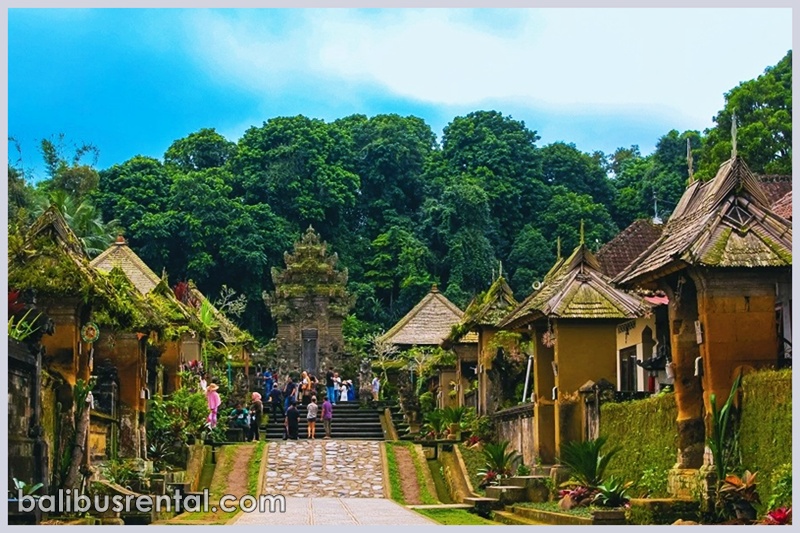
Penglipuran Village Bali – A Traditional Balinese Village with Beautiful Culture and Architecture
Penglipuran Village Bali is one of the most beautiful and well-preserved traditional villages on the island. Located in Bangli Regency, in the highlands of central Bali, this village is famous for its traditional Balinese architecture, beautifully arranged houses, clean stone pathways, lush gardens, and strong cultural traditions. Surrounded by green hills and fresh mountain air, Penglipuran offers visitors a wonderful opportunity to experience the authentic atmosphere of traditional Balinese village life.
Recognized internationally for its cleanliness and commitment to preserving local culture, Penglipuran Village is a popular destination for travelers interested in Balinese heritage, architecture, nature, and traditional community life. Unlike many modern tourist destinations in Bali, Penglipuran has carefully maintained its original village layout, traditional houses, and cultural customs passed down through generations.
The village is also an excellent destination for photography, cultural sightseeing, and leisurely walks. Visitors can explore the traditional residential areas, admire the beautiful house compounds, interact with local residents, and learn more about the unique customs that make Balinese culture so special.
Location of Penglipuran Village Bali
Penglipuran Traditional Village is situated in Kubu Village, Bangli District, Bangli Regency, approximately 700 meters above sea level. It is about 45–50 kilometers from Denpasar and approximately 1.5–2 hours by car from popular tourist areas such as Kuta, Seminyak, and Canggu, depending on traffic conditions.
The village’s elevated location gives it a cooler climate compared with Bali’s southern coastal destinations. Its peaceful surroundings, fresh air, and green natural landscape make Penglipuran a refreshing place to visit during a Bali sightseeing tour.
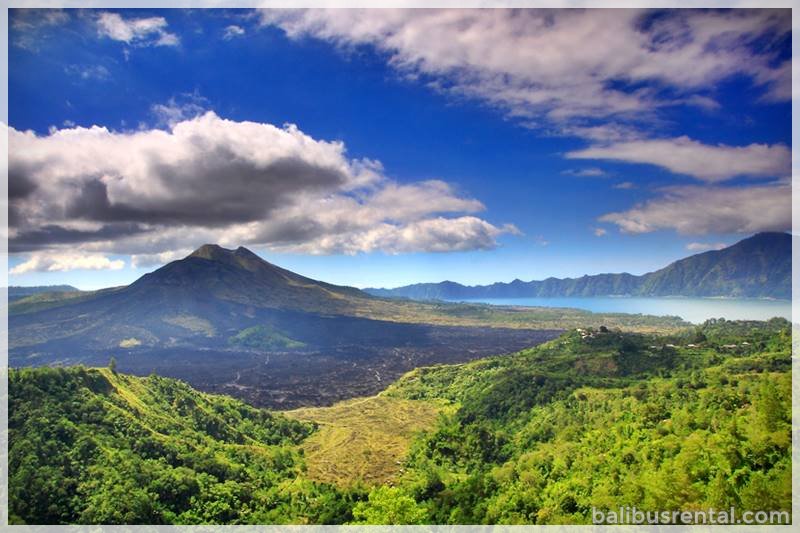
Penglipuran is also conveniently located near several other attractions in Bangli, including Kintamani, Mount Batur, and traditional temples, making it a worthwhile stop on a full-day tour of central and eastern Bali.
Traditional Balinese Architecture and Village Layout
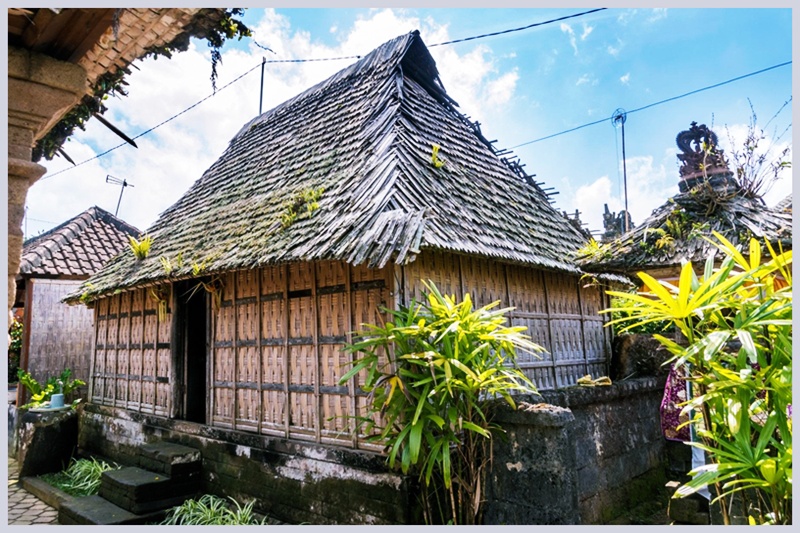
One of the most interesting features of Penglipuran Village is its traditional Balinese architectural design. The houses are arranged in an orderly pattern along a central stone-paved road that gradually slopes upward toward the village’s main temple.
Most traditional houses feature similar architectural elements, including distinctive entrance gates known as Angkul-Angkul, traditional family courtyards, shrines, kitchens, and buildings constructed using locally sourced materials.
The village follows traditional Balinese spatial planning principles, reflecting the relationship between humans, nature, and the spiritual world. Its organized layout demonstrates how Balinese communities have preserved their cultural identity through architecture and traditional village planning.
Walking through Penglipuran feels like stepping back in time. Visitors can admire the carefully maintained houses, decorative gates, colorful flowers, and beautiful gardens while experiencing the peaceful atmosphere of a traditional Balinese settlement.
Bamboo Forest of Penglipuran Village
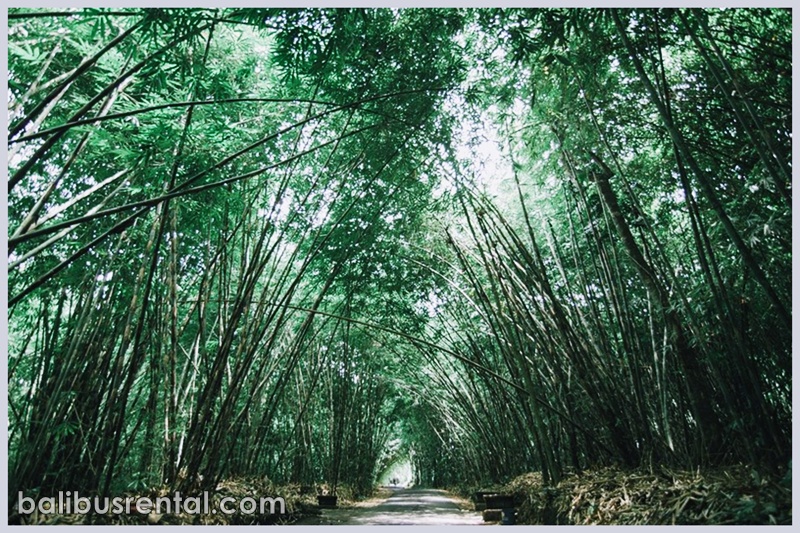
Another major attraction near Penglipuran Village is its beautiful bamboo forest. This green natural area covers approximately 45 hectares and contains different varieties of bamboo that have been preserved by the local community.
The bamboo forest plays an important role in the village’s environmental conservation and cultural traditions. Bamboo is traditionally used in Bali for house construction, religious ceremonies, handicrafts, and various everyday purposes.
Visitors can enjoy walking through the peaceful bamboo surroundings, taking photographs, and appreciating the natural beauty of the area. The tall bamboo trees create a cool and shaded environment, making this part of Penglipuran especially enjoyable for nature lovers.
Preserving the bamboo forest is also an important part of the village’s commitment to sustainable tourism and environmental protection.
History and Cultural Heritage of Penglipuran Village
Penglipuran is believed to be more than 700 years old, making it one of Bali’s historic traditional villages. According to local history, the ancestors of the Penglipuran community came from Bayung Gede Village in the Kintamani area. They established a settlement that continued to develop while maintaining the customs and traditions of their ancestors.
The name Penglipuran is commonly associated with the Balinese expression Pengeling Pura, meaning a place to remember or honor the ancestors. This interpretation reflects the village’s strong spiritual connection with its history and ancestral heritage.
Even today, the people of Penglipuran continue to follow traditional customary regulations known as Awig-Awig. These rules guide community life, cultural activities, environmental conservation, and the preservation of traditional village architecture.
The local community also maintains important Balinese Hindu ceremonies throughout the year, including Galungan, Kuningan, and other traditional religious celebrations.
Tri Hita Karana Philosophy in Penglipuran Village
One of the foundations of traditional life in Penglipuran is the Balinese philosophy of Tri Hita Karana. This philosophy teaches that happiness and prosperity come from maintaining harmony in three important relationships:
-
Parahyangan: Harmony between human beings and God through religious activities, prayer, and temple ceremonies.
-
Pawongan: Harmony between people through mutual cooperation, respect, family relationships, and community responsibilities.
-
Palemahan: Harmony between human beings and the natural environment through cleanliness, conservation, and responsible use of natural resources.
These principles influence the village’s traditional architecture, spatial organization, religious practices, and environmental management. They also explain why Penglipuran has become an important example of cultural preservation and sustainable tourism in Bali.
Why Is Penglipuran Village Famous as One of the Cleanest Villages in the World?
Penglipuran Village is internationally recognized for its cleanliness, beautiful environment, and well-organized traditional settlement. Its reputation as one of the world’s cleanest villages comes from the community’s long-standing commitment to maintaining a clean and healthy environment.
The village streets, residential gardens, traditional buildings, and public spaces are carefully maintained by local residents. Community participation and traditional regulations encourage everyone to take responsibility for protecting their surroundings.
Motorized vehicles are also restricted from entering the main traditional village area, helping preserve its peaceful atmosphere and pedestrian-friendly environment.
Penglipuran received international recognition in 2023 when it was included in the Best Tourism Villages by UN Tourism program. This recognition highlights its efforts to preserve cultural heritage while developing responsible and sustainable tourism.
Things to Do in Penglipuran Village Bali
There are several interesting activities to enjoy when visiting Penglipuran Traditional Village.
1. Walking Along the Traditional Village Street
Take a relaxing walk along the main stone-paved village road and admire the rows of traditional Balinese houses. The symmetrical arrangement of the entrance gates and beautifully maintained gardens creates an attractive setting for photography.
2. Exploring Traditional Balinese Houses
Some local families welcome visitors into their traditional house compounds. You can see traditional kitchens, family courtyards, shrines, and other architectural features while learning about everyday Balinese family life.
3. Visiting the Bamboo Forest
Explore the peaceful bamboo forest located near the village. Enjoy the cool atmosphere, take photographs, and learn about the importance of bamboo in traditional Balinese culture.
4. Experiencing Traditional Balinese Culture
Visitors may have opportunities to learn about traditional Balinese dances, gamelan music, religious ceremonies, and local customs, depending on the activities scheduled by the community.
5. Trying Traditional Balinese Food and Drinks
Do not miss the opportunity to taste local refreshments and traditional snacks. One popular local drink is Loloh Cemcem, a traditional herbal beverage made from cemcem leaves. It has a distinctive refreshing, slightly sour, and sweet flavor.
6. Buying Local Handicrafts and Souvenirs
Visitors can find handmade souvenirs, bamboo crafts, traditional decorations, and other locally produced items. Purchasing local products is also a way to support the village community and its cultural activities.
Best Time to Visit Penglipuran Village
The best time to visit Penglipuran Village is generally during the dry season, from April to October, when outdoor sightseeing and photography are more comfortable.
Morning visits are particularly recommended because the weather is usually cooler and the village is often less crowded. Arriving around 8:00 AM also gives visitors more time to explore the traditional houses and bamboo forest.
Afternoon visits are another good option, especially for travelers who want to enjoy the peaceful atmosphere and take photographs in softer natural light.
During important Balinese Hindu celebrations such as Galungan and Kuningan, visitors may also have the opportunity to see beautiful traditional decorations, including Penjor bamboo ornaments displayed along the village streets.
How to Get to Penglipuran Village Bali
Penglipuran Village is located in Bangli Regency, approximately 45 kilometers from Denpasar. It can be reached by private car, motorcycle, taxi, or a Bali sightseeing tour with a driver.
Estimated driving times depend on your departure location and traffic conditions:
| Departure area | Estimated driving time |
|---|---|
| Ubud | 1–1.5 hours |
| Sanur | 1.5 hours |
| Denpasar | 1–1.5 hours |
| Kuta | 1.5–2 hours |
| Seminyak | 1.5–2 hours |
| Canggu | 2–2.5 hours |
| Nusa Dua | 2–2.5 hours |
For a comfortable journey, visitors can arrange a private car rental with an experienced Bali driver. This option is especially convenient for families, couples, and groups who want to visit several attractions in one day.
Nearby Tourist Attractions Around Penglipuran Village
Penglipuran is an excellent destination to combine with other popular attractions in central and eastern Bali. Some interesting places to include in your sightseeing itinerary are:
1. Kintamani
Famous for spectacular views of Mount Batur, Lake Batur, and the surrounding volcanic landscape.
2. Tirta Empul Temple
A sacred Hindu water temple known for its holy spring water and traditional purification rituals.
3. Tukad Cepung Waterfall
A beautiful waterfall hidden inside a rocky canyon, famous for its dramatic natural lighting.
4. Kehen Temple
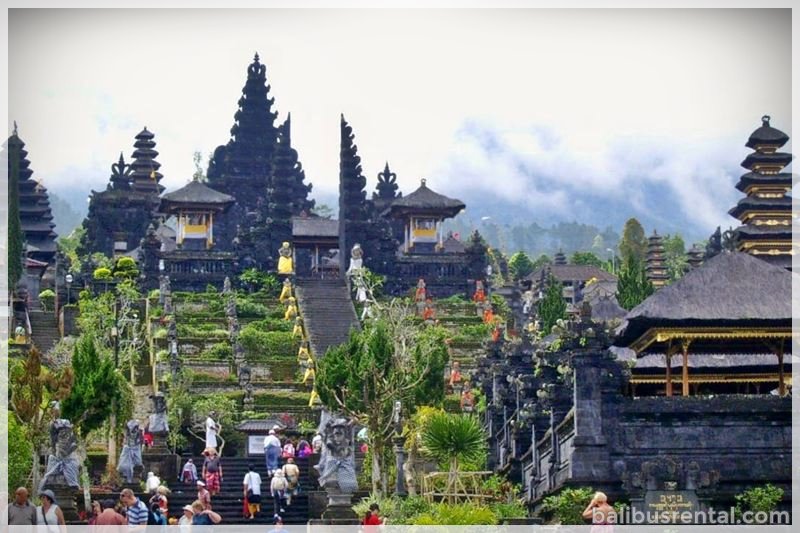
An ancient Balinese Hindu temple featuring traditional stone carvings, impressive stairs, and beautiful temple architecture.
Why You Should Visit Penglipuran Traditional Village Bali
Penglipuran Village is more than just a beautiful tourist attraction. It represents the importance of preserving Balinese culture, traditional architecture, community values, and environmental sustainability.
From its orderly traditional houses and unique entrance gates to its peaceful bamboo forest and friendly local community, every part of Penglipuran offers something interesting to discover.
Whether you are interested in Balinese history, cultural experiences, traditional architecture, nature, or photography, Penglipuran Village is a worthwhile destination to include in your Bali holiday itinerary.
For travelers who want to discover a different side of Bali beyond its beaches and modern tourist areas, a visit to Penglipuran Traditional Village provides a memorable cultural experience.
Penglipuran Village Entrance Fee and Visitor Information
The entrance ticket to Penglipuran Traditional Village depends on visitor nationality and the latest local admission regulations. The following are indicative prices; visitors should confirm the current rates at the official ticket counter before arrival.
| Visitor category | Indicative entrance fee |
|---|---|
| Domestic adults | IDR 25,000 |
| Domestic children | IDR 15,000 |
| International adults | IDR 50,000 |
| International children | IDR 30,000 |
Visitor information:
-
Location: Kubu, Bangli Regency, Bali, Indonesia.
-
Opening hours: Generally 08:00 AM–05:00 PM.
-
Recommended visiting time: Morning or late afternoon.
-
Suggested duration: Approximately 1.5–2.5 hours.
-
Facilities: Parking area, toilets, restaurants, souvenir shops, and local food stalls.
Admission prices and operating arrangements may change, so check with the village management for the latest information.
Note: The shuttle and other charges may be separate from the entrance ticket. Confirm the current arrangements locally