Jatiluwih Rice Terraces Bali – A UNESCO World Heritage Site
Jatiluwih Rice Terraces are among the most spectacular natural attractions in Bali, Indonesia. Located in the northern part of Tabanan Regency, approximately 13 kilometers north of Tabanan town, Jatiluwih is famous for its breathtaking green rice fields, traditional Balinese farming practices, fresh mountain air, and peaceful rural atmosphere. This beautiful destination offers visitors an opportunity to discover the natural beauty, agricultural heritage, and traditional culture of Bali.
Recognized as part of the UNESCO World Heritage-listed Cultural Landscape of Bali Province, Jatiluwih is an excellent destination for travelers seeking beautiful scenery, cultural experiences, photography opportunities, and relaxing countryside excursions. The extensive rice terraces stretch across the slopes of the highlands, creating a remarkable landscape that changes in appearance throughout the planting and harvesting seasons.
The Natural Beauty of Jatiluwih Rice Terraces
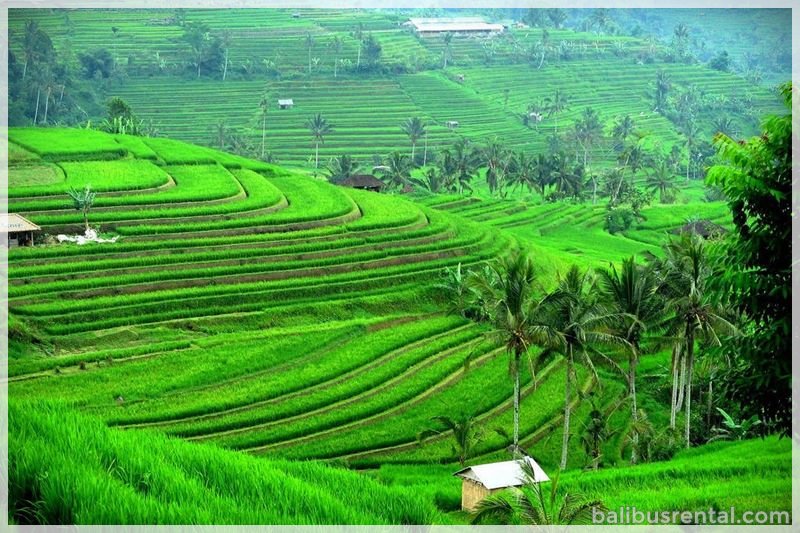
The Jatiluwih rice terraces are renowned for their magnificent panoramic views, with layers of green rice paddies extending across rolling hills toward the surrounding mountains. The landscape is particularly impressive because the rice fields follow the natural contours of the land, forming intricate patterns that demonstrate the harmony between nature and traditional Balinese agriculture.
Located at approximately 700 meters above sea level, Jatiluwih enjoys a cooler climate than many coastal destinations in Bali. The refreshing mountain breeze, misty mornings, and peaceful surroundings make it an ideal place to escape the busy atmosphere of popular tourist areas such as Kuta, Seminyak, and Canggu.
Visitors can walk along designated paths through the rice fields, observe local farmers working in the paddies, and enjoy the extraordinary scenery from several viewpoints. The area is especially attractive to nature lovers, photographers, couples, families, and travelers who want to experience a quieter side of Bali.
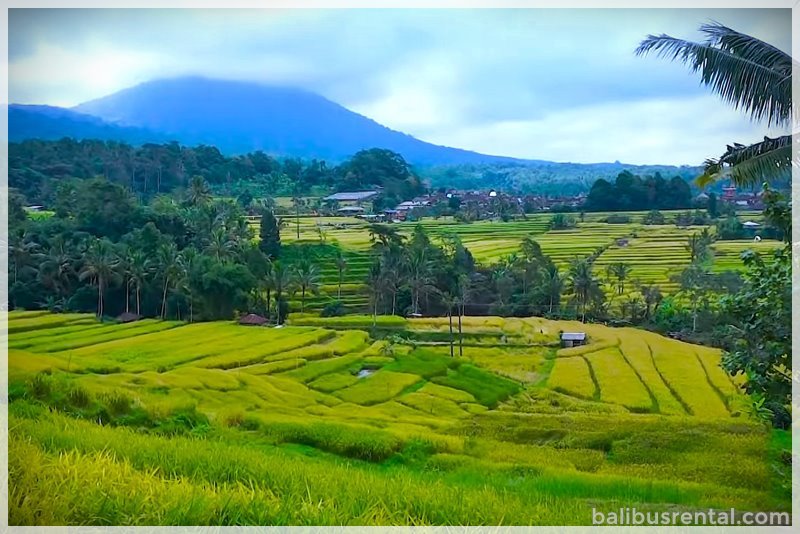
The beauty of Jatiluwih changes throughout the year. During the early stages of rice cultivation, the fields may appear bright green as the young plants grow. When the rice approaches maturity, the terraces gradually develop golden hues, creating another beautiful landscape for visitors to enjoy.
The Meaning of Jatiluwih
The name Jatiluwih is commonly associated with two Balinese words: jati, meaning genuine or real, and luwih, meaning good, excellent, or beautiful. Together, the name reflects the area’s reputation as a place of exceptional natural beauty and agricultural richness.
This meaning is particularly appropriate for a village surrounded by fertile farmland, traditional irrigation channels, and magnificent mountain scenery. Jatiluwih represents the close relationship between the Balinese people, their land, and their cultural traditions.
Unlike heavily developed tourist destinations, Jatiluwih retains much of its traditional rural character. Visitors can experience the peaceful atmosphere of a Balinese farming village while learning about the customs and agricultural knowledge that have been passed down through generations.
Traditional Balinese Agriculture and the Subak Irrigation System
One of the most important features of Jatiluwih is its traditional rice-growing system. The local community has maintained agricultural practices that reflect the Balinese philosophy of Tri Hita Karana, which emphasizes harmony between people, nature, and the spiritual world.
The rice terraces are supported by the traditional subak irrigation system, a cooperative water-management network that distributes water from natural sources to agricultural land. Subak is not simply an irrigation method; it is also a community institution connected with religious ceremonies, shared responsibilities, and the sustainable management of farmland.
In 2012, UNESCO recognized the Cultural Landscape of Bali Province, including Jatiluwih and other important areas, as a World Heritage property. This recognition highlights the outstanding cultural significance of Bali’s traditional irrigation system and the relationship between agriculture, temples, and community life.
Jatiluwih is also known for its environmentally conscious farming practices. Some local farmers use organic or reduced-chemical approaches, although farming methods can vary between individual fields and producers. The area’s fertile volcanic soil, favorable highland climate, and reliable water supply help support rice cultivation and other agricultural activities.
The rice plants grown in Jatiluwih may also appear taller and more traditional than some varieties cultivated in other parts of Bali. These fields illustrate the diversity of agricultural practices found across the island.
Cultural Heritage and Petali Temple
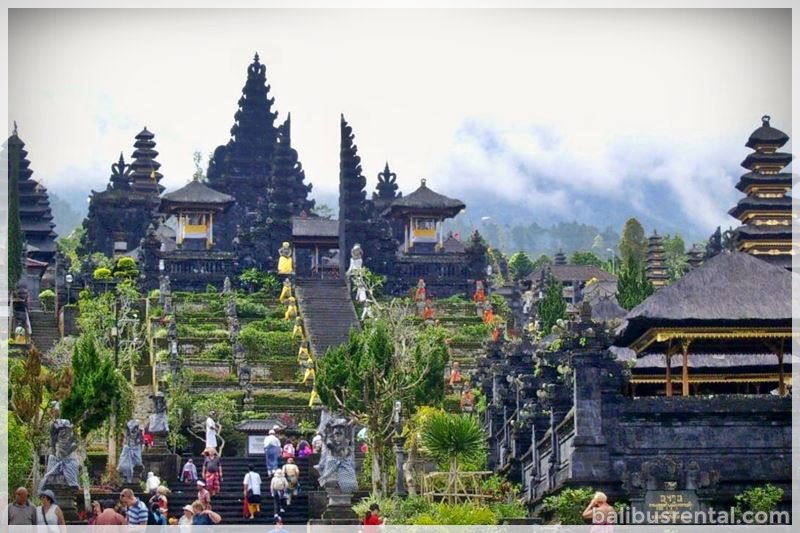
Beyond its natural scenery, Jatiluwih preserves important cultural and spiritual traditions. One notable landmark in the area is Petali Temple, which is associated with local religious life and historical traditions connected to the former Gelgel Kingdom.
The historical narrative of Jatiluwih is linked with the wider development of Balinese Hindu culture, including the influence of rulers such as Dalem Waturenggong, whose reign is traditionally placed in the fifteenth and sixteenth centuries. Temples throughout the region continue to play an important role in community ceremonies, agricultural rituals, and the preservation of local customs.
For visitors interested in Balinese culture, exploring Jatiluwih provides more than an opportunity to admire beautiful rice fields. It also offers insight into the spiritual values, community cooperation, and traditional knowledge that have shaped the landscape over many generations.
Visitors should dress respectfully when entering temple grounds and follow any local instructions concerning religious ceremonies or restricted areas.
Location and How to Get to Jatiluwih
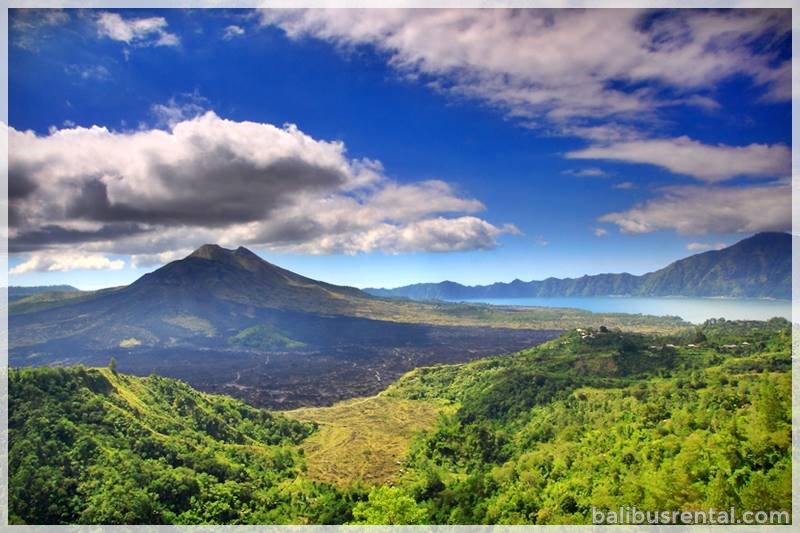
Jatiluwih is situated in the highlands of Tabanan Regency, Bali, on the slopes of Mount Batukaru. It is approximately 48 kilometers from Denpasar, although the actual travel distance and journey time depend on the starting point and chosen route. From Tabanan town, the distance is approximately 28 kilometers by road.
The journey to Jatiluwih takes visitors through beautiful countryside, traditional villages, plantations, and winding mountain roads. The drive itself can be an enjoyable part of a Bali sightseeing trip, especially for travelers who appreciate scenic landscapes and rural life.
Access roads connect the area with surrounding villages and attractions. Visitors can approach Jatiluwih through routes from the eastern side, including the Pacung area, or from the western side near Batukaru Temple. Road conditions and journey times may vary, so it is advisable to allow sufficient time for the trip.
For international visitors, families, and groups, arranging a private Bali car rental with a driver or a Bali tour with a private minibus is a convenient way to visit Jatiluwih. Private transportation allows travelers to enjoy the scenery, stop at interesting locations along the route, and combine the rice terraces with other attractions in Tabanan and central Bali.
Things to Do at Jatiluwih Rice Terraces
Jatiluwih offers several activities for travelers who want to appreciate Bali’s natural beauty and traditional way of life.
1. Enjoy the panoramic rice terrace views
Visit the scenic viewpoints to admire the extensive rice fields and surrounding hills. The elevated landscape provides excellent opportunities for photography and relaxation.
2. Walk through the rice fields
Follow designated walking trails to experience the terraces at a slower pace. Walking allows visitors to observe the irrigation channels, rice plants, and daily activities of local farmers. Choose a route suitable for your fitness level and allow extra time for photographs.
3. Discover traditional Balinese village life
Observe the rural landscape and learn how rice cultivation remains an important part of the local economy and cultural identity. Visitors may also see farmers tending their fields, depending on the season and time of day.
4. Take memorable photographs
The layered rice paddies, mountain backdrop, tropical vegetation, and changing light create beautiful photographic opportunities. Early morning is often attractive for cooler temperatures and a peaceful atmosphere, while the weather and visibility can change quickly in the highlands.
5. Taste local Balinese food
Several small restaurants and eateries in and around the area provide opportunities to enjoy Indonesian and Balinese dishes while overlooking the countryside. A meal with a rice terrace view can be a relaxing addition to your sightseeing itinerary.
6. Explore nearby cultural attractions
Jatiluwih can be combined with visits to Batukaru Temple, the mountain scenery around Bedugul, and Lake Beratan, depending on your route and available time. A carefully planned day trip makes it possible to discover several different landscapes and cultural attractions in central Bali.
Best Time to Visit Jatiluwih Rice Terraces
Jatiluwih can be visited throughout the year, but the appearance of the rice fields depends on the agricultural cycle, rainfall, and harvesting schedule.
The rainy season often brings lush green vegetation and abundant water, although showers and cloudy conditions may affect visibility. During drier periods, walking conditions can be more comfortable, but the appearance of individual rice fields depends on when they were planted and harvested.
For a more peaceful experience, consider visiting in the morning before the busiest sightseeing hours. Bring comfortable walking shoes, drinking water, sun protection, and a light rain jacket. The highland weather can be cooler and more changeable than the weather along Bali’s southern coast.
Jatiluwih as a Tourist Destination in Bali
Jatiluwih has long attracted travelers interested in Bali’s countryside, traditional agriculture, and natural landscapes. Its tourism appeal developed over time as visitors discovered the exceptional beauty of the rice terraces and the cultural heritage of the surrounding villages.
Today, the local community continues to welcome domestic and international visitors while maintaining the agricultural landscape that makes the area special. Tourism can provide additional income for local residents, but responsible travel is important to help preserve the rice fields and traditional farming environment.
Visitors are encouraged to remain on designated paths, avoid stepping on young rice plants, respect private farmland, and take their rubbish with them. Supporting local businesses and following community guidelines also helps ensure that tourism benefits the people who maintain this remarkable landscape.
Visit Jatiluwih with BaliBusRental.com
Discover the spectacular Jatiluwih Rice Terraces with a private Bali tour and transportation service. Whether you are traveling as a couple, with family, or in a larger group, arranging a vehicle with a professional driver makes it easier to explore this beautiful highland destination at your own pace.
Bali Bus Rental can help travelers plan transportation for sightseeing trips, family holidays, group tours, and customized Bali itineraries. Depending on your group size, you can choose a suitable car, minivan, or tourist bus for a comfortable journey through Bali’s countryside.
Your Jatiluwih day trip can also include other destinations, such as Batukaru Temple, Bedugul, Lake Beratan, and Ulun Danu Beratan Temple. You can discuss your preferred destinations and schedule with your driver when planning the trip.
Experience the fresh mountain air, magnificent green landscapes, traditional Balinese culture, and peaceful atmosphere of Jatiluwih. With its extraordinary rice terraces and UNESCO-recognized cultural heritage, Jatiluwih is one of the most memorable places to visit in Bali for travelers who want to discover the island beyond its beaches.
Plan your Jatiluwih Rice Terrace tour in Bali and enjoy a scenic journey through one of Indonesia’s most beautiful agricultural landscapes.
Jatiluwih as a nature tourist destination in Bali which has been recognized since Dutch colonial build the Security Headquarter and until now the local residents conceives with the Dutch Tangs. Indonesian government has assigned the Jatiluwih to be a Tourist Destination Village because of this potency.