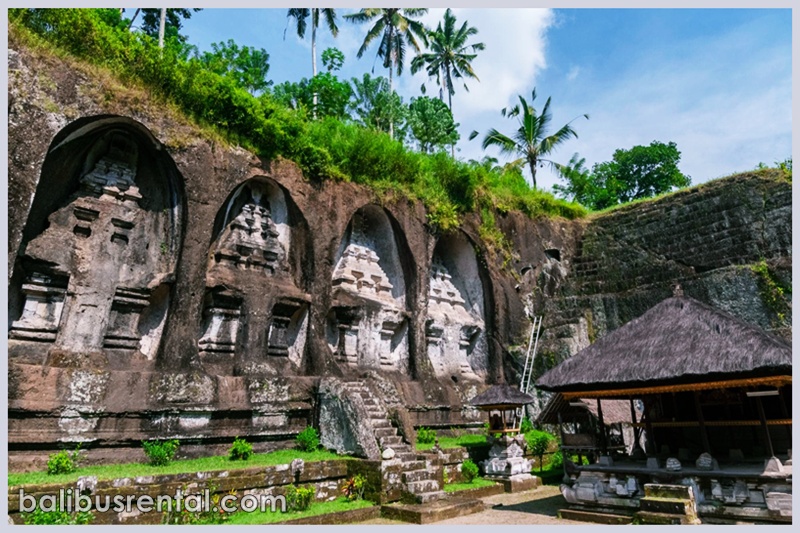
Gunung Kawi Temple Bali – Ancient Rock-Cut Shrines, History, and Visitor Guide
Gunung Kawi Temple is one of Bali’s most remarkable historical and archaeological attractions, famous for its enormous ancient shrines carved directly into towering rock cliffs. Located in Tampaksiring, Gianyar Regency, approximately 30 minutes from Ubud, this fascinating temple complex offers visitors a glimpse into Bali’s ancient Hindu-Buddhist heritage, traditional architecture, and spiritual traditions.
Surrounded by lush tropical vegetation, green rice terraces, and the beautiful Pakerisan River valley, Gunung Kawi Temple provides a peaceful atmosphere that feels far removed from the busy tourist areas of southern Bali. Its impressive stone monuments, mysterious history, and scenic natural surroundings make it one of the most interesting cultural destinations to visit during a Bali sightseeing tour.
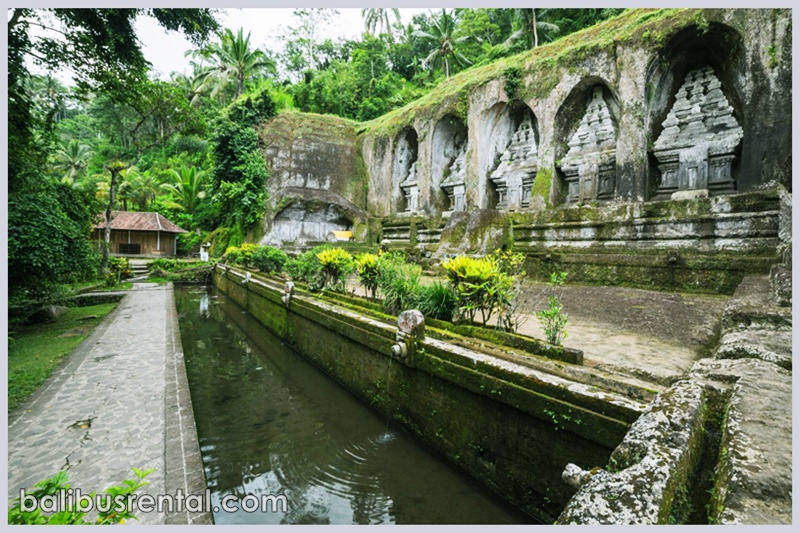
The temple is particularly well known for its ten monumental rock-cut shrines, locally called candi, which were carved into the cliffs during the 11th century. These ancient structures are believed to be memorial monuments dedicated to members of Bali’s royal family, making Gunung Kawi an important historical site as well as a sacred place of worship.
History of Gunung Kawi Temple
Gunung Kawi Temple dates back to the 11th century, during the reign of the ancient Balinese Warmadewa dynasty. Historical inscriptions associate the complex with King Anak Wungsu, the son of the famous Balinese ruler Udayana and Queen Mahendradatta.
The name Gunung Kawi is commonly interpreted as referring to a mountain associated with carved or sculpted works. The temple’s most distinctive features are its large stone shrines, which were carefully cut into the natural rock cliffs rather than constructed using ordinary building methods.
The ten shrines are arranged in several groups along the Pakerisan River valley. They are traditionally associated with King Udayana, Queen Mahendradatta, their descendants, and members of the royal family. Although the exact identity and purpose of every shrine remain subjects of historical interpretation, the complex is widely regarded as an important royal memorial site.
Today, Gunung Kawi is recognized as one of Bali’s significant archaeological and cultural heritage attractions, preserving evidence of the island’s ancient Hindu-Buddhist civilization.
The Famous Rock-Cut Shrines of Gunung Kawi
The main attraction at Gunung Kawi Temple is its collection of ten enormous rock-cut monuments carved into the cliff faces on both sides of the Pakerisan River.
These monuments are divided into several groups:
-
Five eastern shrines: Located on one side of the river, these impressive monuments form the largest group and are traditionally associated with the royal family.
-
Four western shrines: Positioned opposite the main group, these ancient carvings are also believed to represent members of the royal household.
-
One southern shrine: A separate monument located farther along the valley, traditionally associated with royal figures.
Each shrine features a distinctive carved architectural design resembling a small temple tower. Their impressive height and detailed stonework demonstrate the remarkable craftsmanship and engineering skills of ancient Balinese artisans.
Unlike conventional temples built from assembled stone blocks, these monuments were carved directly into the surrounding rock. This makes Gunung Kawi particularly unique among Bali’s historical attractions.
Scenic Pakerisan River Valley
One of the most beautiful aspects of visiting Gunung Kawi Temple is its natural setting. The complex is situated in a deep green valley along the Pakerisan River, surrounded by tropical trees, bamboo vegetation, and traditional rice fields.
As you walk through the temple grounds, you can enjoy the sound of flowing water, birds singing, and the peaceful atmosphere of the surrounding countryside. The combination of ancient stone architecture and lush tropical scenery makes this destination particularly attractive for photographers and travelers interested in Bali’s cultural heritage.
The Pakerisan River is also considered sacred by Balinese Hindus. Its waters have an important role in local religious traditions, and the surrounding area contains several other historically significant temples and archaeological sites.
Ancient Meditation Caves
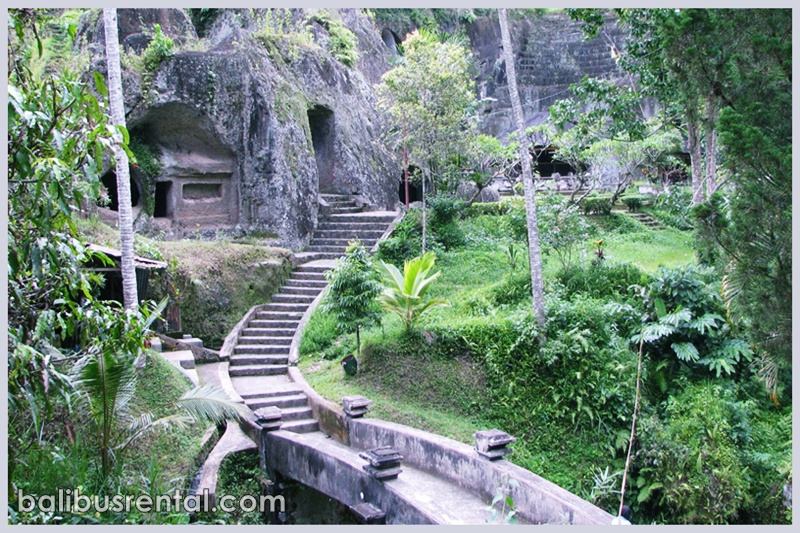
Besides the famous rock-cut shrines, Gunung Kawi also features several small caves carved into the surrounding cliffs. These quiet spaces are believed to have been used by ancient Hindu and Buddhist religious practitioners for meditation, contemplation, and spiritual activities.
The caves demonstrate the historical relationship between Hindu and Buddhist traditions in ancient Bali. Their simple architecture contrasts with the impressive monumental shrines nearby, providing another interesting perspective on the religious life of the island’s early kingdoms.
The Temple’s Spiritual Significance
Gunung Kawi is more than just an archaeological attraction. It remains a sacred religious site for the Balinese Hindu community.
The temple is traditionally associated with ancestral worship, spiritual purification, and religious ceremonies. One particularly significant location is the Campuhan, where the Pakerisan and Bulan rivers meet. According to local Hindu beliefs, the meeting of two rivers is considered spiritually meaningful and associated with purification.
Religious ceremonies and temple anniversaries are held according to the Balinese calendar. During these occasions, the temple is decorated with traditional offerings, colorful decorations, and ceremonial arrangements.
Visitors should remember that Gunung Kawi is still a place of worship. Respectful behavior and appropriate clothing are expected throughout the temple grounds.
Walking Down to Gunung Kawi Temple
Reaching the main temple complex is part of the experience. From the entrance and ticket counter, visitors must descend approximately 300 to 400 stone steps through a scenic landscape of rice terraces, tropical gardens, and traditional local shops.
Along the way, you will encounter beautiful views of the surrounding valley and traditional Balinese countryside. The pathway eventually leads to the river, where the magnificent ancient shrines become visible.
Although the walk downhill is relatively comfortable, climbing back to the entrance requires a reasonable level of physical fitness. Visitors should take their time, especially during hot weather or after rainfall when some steps may become slippery.
Allow approximately one to two hours to explore the temple complex and enjoy the surrounding scenery.
Location of Gunung Kawi Temple Bali
Gunung Kawi Temple is located in Banjar Penaka, Tampaksiring Village, Gianyar Regency, Bali, Indonesia.
The temple is situated approximately 13–18 km northeast of Ubud, depending on the route, and is relatively close to Tirta Empul Temple. Its location makes it an excellent destination to combine with other cultural attractions in the Tampaksiring and Ubud areas.
Approximate travel distances:
-
Ubud: 30–40 minutes.
-
Tegallalang Rice Terrace: 25–35 minutes.
-
Tirta Empul Temple: 5–10 minutes.
-
Kintamani: 45–60 minutes.
-
Denpasar: 1–1.5 hours.
-
Ngurah Rai International Airport: approximately 1.5–2 hours.
Travel times depend on traffic conditions and your starting location.
Best Time to Visit Gunung Kawi Temple
The best time to visit Gunung Kawi Temple is generally in the morning, between 8:00 AM and 10:00 AM. The weather is usually more comfortable for walking down and climbing back up the stone staircase.
Morning visits also provide excellent opportunities for photography, especially when natural light illuminates the ancient shrines and surrounding green valley.
The dry season, generally from April to October, is a convenient period for exploring the temple because walking conditions are often better. However, Gunung Kawi is beautiful throughout the year, including the rainy season when the surrounding vegetation becomes particularly lush.
Travel Tips for Visiting Gunung Kawi Temple
To make your visit more comfortable, consider the following recommendations:
-
Wear comfortable walking shoes: There are hundreds of steps leading down to the temple and back up.
-
Bring drinking water: Walking through the valley and climbing the stairs can be tiring, particularly during midday.
-
Dress appropriately: Wear modest clothing and use a sarong and sash when entering the sacred temple areas.
-
Bring a camera: The ancient shrines, stone carvings, river valley, and rice terraces offer excellent photography opportunities.
-
Respect religious customs: Avoid loud conversations and follow the instructions of temple staff.
-
Allow enough time: Plan approximately one to two hours to explore the complex without rushing.
-
Check the weather: Stone steps can become slippery after rain, so take extra care when walking.
Nearby Attractions to Visit After Gunung Kawi Temple
One advantage of visiting Gunung Kawi Temple is its convenient location near several popular cultural and natural attractions in central Bali. You can combine multiple destinations into one full-day sightseeing trip.
1. Tirta Empul Temple
A famous Hindu water temple known for its sacred spring water and traditional purification rituals. Approximately 5–10 minutes away.
2. Tegallalang Rice Terrace
Famous for its beautiful traditional rice terraces, tropical scenery, and jungle viewpoints. Approximately 25–35 minutes away.
3. Gunung Kawi Sebatu Temple
A peaceful water temple featuring natural springs, bathing pools, and beautiful gardens. This is a different temple from Gunung Kawi Tampaksiring.
4. Ubud Palace
Explore traditional Balinese royal architecture and enjoy Ubud’s cultural attractions, art markets, and restaurants.
Gunung Kawi Temple Bali – A Must-Visit Historical Attraction
Gunung Kawi Temple is one of the most extraordinary historical destinations in Bali, combining ancient architecture, royal heritage, spiritual traditions, and beautiful natural scenery. Its impressive rock-cut shrines, mysterious history, meditation caves, and peaceful river valley make it a memorable destination for anyone interested in discovering the cultural side of the island.
Whether you are exploring Bali’s ancient kingdoms, visiting traditional Hindu temples, or enjoying the beautiful countryside around Ubud, Gunung Kawi deserves a place on your Bali sightseeing itinerary.
For travelers planning a cultural tour around central Bali, Gunung Kawi Temple is an excellent stop to combine with Tirta Empul, Tegallalang Rice Terrace, and other attractions in the Ubud and Tampaksiring areas.
Gunung Kawi Temple Bali – Entrance Fees and Visitor Information
Gunung Kawi Tampaksiring is famous for its ancient rock-cut shrines carved into the cliffs along the Pakerisan River. Visitors must purchase an admission ticket to explore the archaeological complex.
Entrance Fees and Visitor Information:
-
International Adults: IDR 75,000 per person.
-
Children (5–11 years): IDR 50,000 per person.
-
Children under 5 years: Free admission.
-
Sarong and Sash: Included in the entrance ticket.
-
Parking Fee: Approximately IDR 2,000–IDR 5,000, depending on the vehicle.
-
Opening Hours: Daily, from 8:00 AM to 6:00 PM.
Note: Entrance fees and opening hours may change depending on local management updates. Visitors are advised to confirm the latest prices at the ticket counter before visiting.