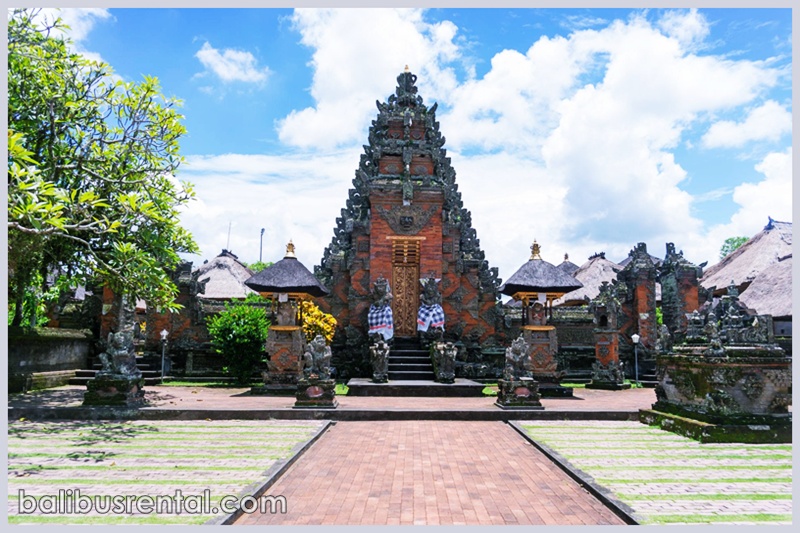
Three Main Temples in Bali: Pura Puseh, Desa and Dalem
Balinese traditional villages are well known for their unique culture, religious traditions, and beautiful temple architecture. One of the most important characteristics of a traditional Balinese village is the presence of three principal temples, commonly known as Kahyangan Tiga. These temples consist of Pura Puseh, Pura Desa, and Pura Dalem. Each temple has a different religious purpose and represents an important aspect of Balinese Hindu beliefs and community life.
The Kahyangan Tiga temple system forms an essential part of the traditional Balinese village structure. It provides a spiritual foundation for the community, connecting the people with their ancestors, the gods, nature, and the cycle of human life. These three temples are not simply places of worship; they also reflect the philosophy, social organization, and cultural identity of Balinese society.
Although their architectural designs and exact locations may differ from one village to another, the three temples generally serve complementary functions in maintaining harmony between God, human beings, and the natural environment.
1. Pura Puseh – The Temple of Origins and Ancestors
Pura Puseh is one of the three principal temples in a traditional Balinese village. The word Puseh is associated with the center or origin of something. This temple is traditionally dedicated to the ancestors and the founders of the village, as well as the divine presence associated with the origins and continuity of the community.
Pura Puseh represents the importance of remembering the village’s history, respecting previous generations, and maintaining a spiritual connection with ancestral heritage. Balinese Hindu communities believe that honoring their ancestors is an important part of preserving cultural traditions and maintaining harmony within the village.
In many traditional villages, Pura Puseh is associated with Lord Vishnu, who represents the aspect of God responsible for preservation and protection in the Hindu Trimurti concept.
The temple is commonly located in the northern or upstream part of the village, although its position can vary depending on local traditions and village geography.
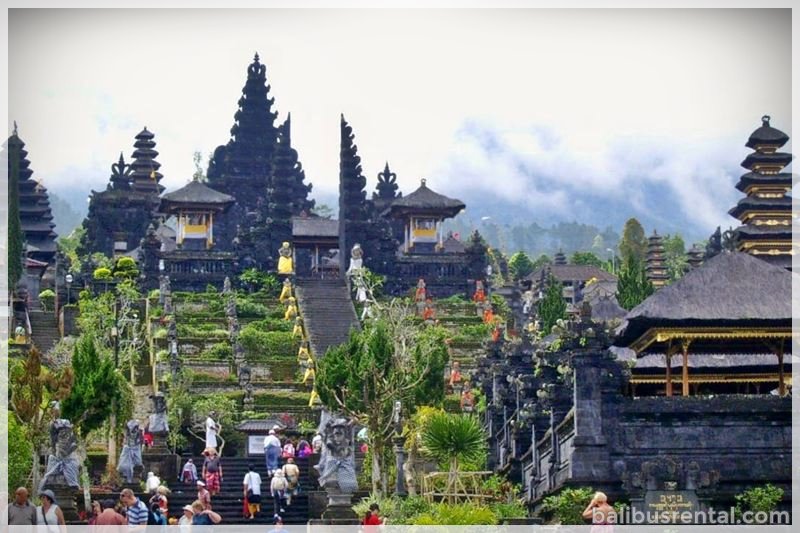
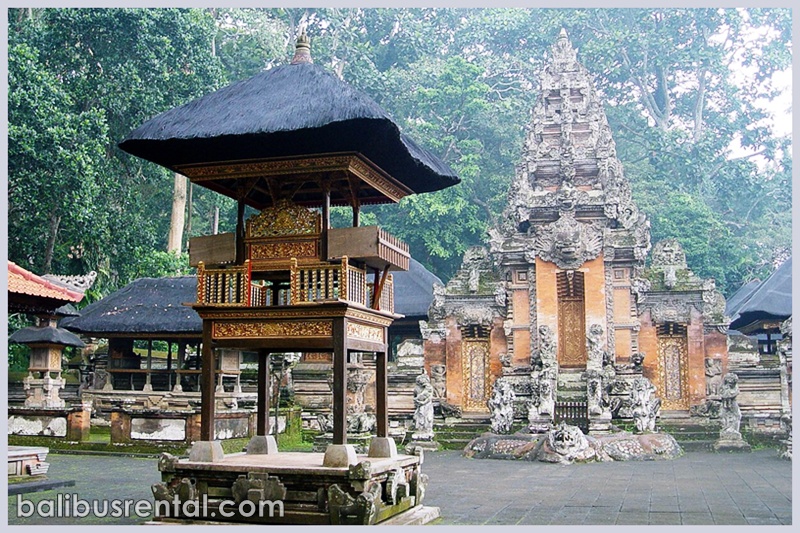
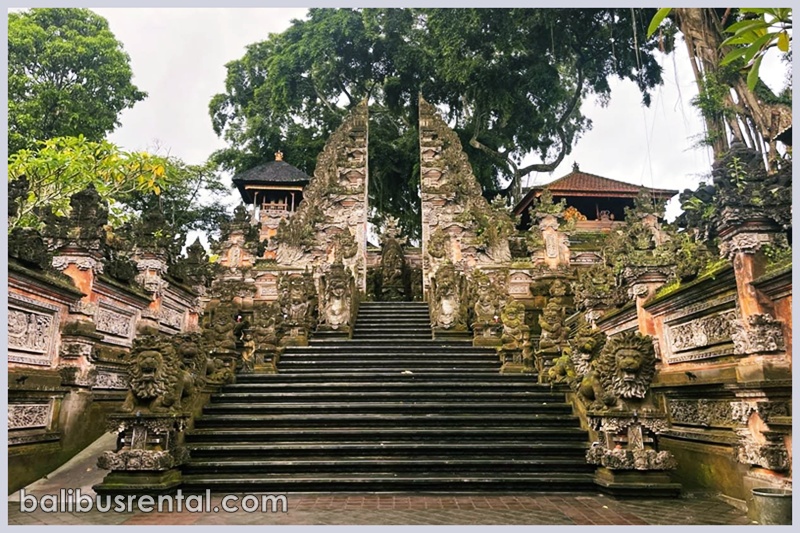
Pura Puseh usually features traditional Balinese temple architecture, including carved stone gates, temple courtyards, shrines, and sometimes multi-tiered meru towers. These structures are decorated with detailed carvings and ornaments that reflect Balinese artistic skills and religious symbolism.
Religious ceremonies are held at Pura Puseh on particular temple anniversaries, known as Piodalan. Villagers gather to pray, bring offerings, and perform traditional rituals as an expression of gratitude and respect for their ancestors and the divine.
For visitors interested in Balinese culture, Pura Puseh provides an opportunity to understand the historical roots of traditional village life and the importance of ancestral worship in Bali.
2. Pura Desa – The Village Temple and Center of Community Activities
Pura Desa is the main village temple associated with community life, social harmony, and the daily activities of a traditional Balinese village. It is generally dedicated to the divine aspect of God responsible for creating and maintaining life, commonly associated with Lord Brahma in the Hindu Trimurti.
The word Desa means village, making Pura Desa an important spiritual center for the local community. It is traditionally connected with the welfare, prosperity, and continuity of village life.
Pura Desa is commonly situated near the central area of a traditional Balinese village, reflecting its important role in bringing the community together.
Unlike temples that are primarily associated with ancestral origins or death-related rituals, Pura Desa is closely connected with everyday community activities and important village ceremonies. Various religious celebrations, communal prayers, and traditional Hindu rituals take place here throughout the year.
The temple may contain several important buildings and sacred structures, including:
-
Bale Agung: A traditional pavilion used for religious ceremonies and important village gatherings.
-
Bale Kulkul: A structure that houses the traditional wooden or bronze village bell, used to communicate important announcements and summon villagers.
-
Meru Shrines: Multi-tiered sacred towers used as places of worship.
-
Pelinggih: Smaller sacred shrines dedicated to different divine manifestations and spiritual protectors.
Pura Desa also plays an important role in maintaining the relationship between members of the village community. During major religious celebrations, villagers work together to prepare offerings, decorate the temple, organize ceremonies, and participate in communal prayers.
The temple represents the spirit of togetherness, cooperation, and mutual assistance, which are important values in Balinese society.
3. Pura Dalem – The Temple of Death, Transformation and Spiritual Purification
Pura Dalem is the third principal temple in the Kahyangan Tiga system. It is traditionally associated with death, transformation, purification, and the spiritual journey of the soul after death.
The word Dalem refers to an inner or sacred realm. In Balinese Hindu tradition, Pura Dalem is closely connected with Lord Shiva, particularly his role as the dissolver and transformer within the Hindu Trimurti. The goddess Durga, the powerful consort of Shiva, is also commonly associated with this temple.
Pura Dalem is usually located in the lower or southern part of a traditional village, often near the village cemetery, known locally as Setra. This location reflects the traditional Balinese concept of Kaja-Kelod, which describes the spiritual orientation between the mountains and the sea.
The temple is an important place for prayers and ceremonies related to death, purification, and the transition of the soul. It is closely connected with traditional Balinese funeral customs, including the Ngaben cremation ceremony.
In Balinese Hindu belief, death is not considered the end of existence but part of the continuous cycle of life, death, and rebirth. Through religious ceremonies and prayers, families seek spiritual purification and guidance for the deceased.
One of the most distinctive features of Pura Dalem is its traditional artwork and temple decoration. Visitors may notice statues and carvings depicting powerful mythological figures, including Rangda, Barong, and other symbolic guardians. These figures represent the relationship between positive and negative forces, protection, destruction, and the balance of the universe.
Some Pura Dalem temples also have large banyan or kepuh trees within or around their compounds. These trees are often considered sacred and form an important part of the temple’s spiritual atmosphere.
Religious ceremonies at Pura Dalem are conducted according to the local temple calendar and village traditions. During certain ceremonies, villagers gather to present offerings, perform prayers, and seek protection and spiritual balance for the community.
For visitors exploring traditional Balinese villages, Pura Dalem offers a deeper understanding of Balinese beliefs about death, the afterlife, purification, and the eternal cycle of existence.
4. The Religious Relationship Between the Three Main Temples
The three principal temples of a traditional Balinese village are closely connected through the Hindu concept of Tri Murti, which represents the three fundamental functions of the divine.
| Village temple | Associated deity | Main spiritual function |
|---|---|---|
| Pura Puseh | Lord Vishnu | Preservation and protection |
| Pura Desa | Lord Brahma | Creation and community life |
| Pura Dalem | Lord Shiva | Dissolution and transformation |
Together, these temples represent the continuous cycle of creation, preservation, and dissolution in the universe.
They also reflect the traditional Balinese philosophy that human life, nature, and the spiritual world are interconnected. Each temple has its own function, but all three work together to maintain harmony and balance within the village.
The Kahyangan Tiga system is also closely related to Tri Hita Karana, the Balinese philosophy of harmony through three relationships:
-
Parhyangan: Harmony between human beings and God.
-
Pawongan: Harmony between people and the community.
-
Palemahan: Harmony between human beings and their natural environment.
Through regular worship, traditional ceremonies, community cooperation, and respect for the surrounding environment, the three village temples help preserve the cultural and spiritual identity of Balinese society.
5. Traditional Location of the Three Village Temples
In traditional Balinese village planning, the location of the three temples is often determined by the sacred orientation of the village and the surrounding landscape.
The arrangement generally follows these principles:
-
Pura Puseh: Usually located toward the mountain or upstream direction, known as Kaja, symbolizing the origins of the village and its spiritual connection with ancestral heritage.
-
Pura Desa: Generally situated near the center of the village, serving as an important religious and community center.
-
Pura Dalem: Usually located toward the sea or downstream direction, known as Kelod, and often close to the village cemetery.
This traditional arrangement demonstrates how Balinese people organize their settlements according to religious beliefs and the natural environment. Mountains are generally regarded as sacred, while the sea represents the lower or downstream direction.
However, the actual locations can vary depending on the geography, history, and customary traditions of individual villages.
6. Religious Ceremonies and Village Traditions
The three main village temples are important centers for religious ceremonies throughout the year. Each temple has its own anniversary celebration, known as Piodalan or Odalan, which is determined by the Balinese Hindu calendar.
During these celebrations, villagers come together to prepare traditional offerings called Banten, decorate the temple, perform prayers, and participate in religious activities.
Traditional Balinese gamelan music, ceremonial dances, and colorful decorations often accompany important temple celebrations. These activities demonstrate the strong connection between religion, art, and community life in Bali.
The villagers also have responsibilities for maintaining the temples and organizing religious ceremonies. This cooperation reflects the traditional Balinese values of Gotong Royong, or mutual assistance, which remains an important part of village life.
The Kahyangan Tiga temples therefore serve not only as sacred places of worship but also as important centers for preserving Balinese Hindu culture and traditional community values.
7. Visiting the Three Main Temples in Bali
For tourists visiting Bali, exploring the three main temples in a traditional village can be an interesting cultural experience. These temples provide insight into the religious beliefs, traditional architecture, village organization, and everyday spiritual life of the Balinese people.
Visitors can observe the beautiful stone carvings, traditional temple gates, sacred shrines, and distinctive architectural structures. Depending on the village and local customs, some temples may also welcome visitors to observe religious ceremonies from designated areas.
When visiting a Balinese temple, it is important to respect local religious customs:
-
Wear a sarong and sash when entering the temple area.
-
Dress modestly and behave respectfully.
-
Do not disturb people who are praying or performing ceremonies.
-
Ask permission before photographing religious ceremonies or local worshippers.
-
Follow the instructions of temple attendants and local villagers.
-
Women who are menstruating are traditionally asked not to enter sacred temple areas.
Not every temple is open to tourists, and access arrangements differ between villages. Visitors should always respect the religious significance of these sacred places.
Conclusion: The Importance of Kahyangan Tiga in Balinese Culture
The three main temples, Pura Puseh, Pura Desa, and Pura Dalem, form the spiritual foundation of many traditional Balinese villages. Together, they represent the relationship between the origins of the community, the life of its people, and the natural cycle of existence.
These sacred places demonstrate how deeply religion is integrated into Balinese daily life. From ancestral traditions and village ceremonies to funeral customs and community celebrations, the Kahyangan Tiga temples continue to play an essential role in preserving Bali’s unique cultural identity.
Understanding these three temples provides visitors with a better appreciation of why Bali is often called the Island of a Thousand Temples and why its traditional village culture remains one of the island’s most fascinating attractions.
Entrance Fees for the Three Main Village Temples in Bali
The entrance fees for the Three Main Village Temples in Bali, traditionally known as Kahyangan Tiga or Tri Kahyangan, generally range from IDR 20,000 to IDR 50,000 per person, depending on the temple location and local management policies. These three temples consist of Pura Puseh (Temple of Origin), Pura Desa (Village Temple), and Pura Dalem (Temple of Death and Transformation).
Some popular temples in Bali charge a fixed entrance fee for visitors, while smaller traditional village temples may welcome visitors through voluntary contributions known as Dana Punia (religious donations).
1. Pura Puseh and Pura Desa
Examples include Batuan Temple and traditional village temples in the Sukawati area.
- Entrance Fee: Approximately IDR 30,000–50,000 per adult.
- Inclusions: A traditional Balinese sarong and sash are generally provided as part of the entrance arrangement.
- Guidelines: Visitors are expected to dress respectfully and follow local temple regulations.
2. Pura Dalem
An example is Pura Dalem Ubud, which is an important religious temple in the Ubud area.
- Entrance Fee: Approximately IDR 10,000–20,000 per person for general daytime visits, where an admission charge applies.
- Special Events: Traditional evening performances, including Balinese Kecak and fire dances held at certain Pura Dalem temples, require separate performance tickets. Prices are generally around IDR 80,000–100,000 per person, depending on the event and organizer.
3. Temple Dress Code and Visitor Guidelines
When visiting traditional Balinese Hindu temples, visitors should respect local religious customs and follow the established dress code.
- Wear a Sarong and Sash: All visitors are generally required to wear a traditional sarong (kamen) and sash (selendang) when entering the temple’s sacred grounds. These are often available for rent or provided with the entrance ticket.
- Dress Modestly: Shoulders and knees should be covered, and visitors should wear appropriate clothing.
- Menstruation Restrictions: According to traditional Balinese Hindu customs, women who are menstruating are generally asked not to enter sacred temple areas.
- Respect Religious Activities: Avoid disturbing worshippers, religious ceremonies, or prayer activities. Always ask permission before taking photographs during ceremonies.
Important Note: Entrance fees and visitor regulations vary between villages and temples in Bali. Some temples do not charge an official admission fee and instead accept voluntary donations. The prices above are approximate guidelines rather than fixed island-wide rates. Visitors are advised to check the latest local entrance fees before visiting.