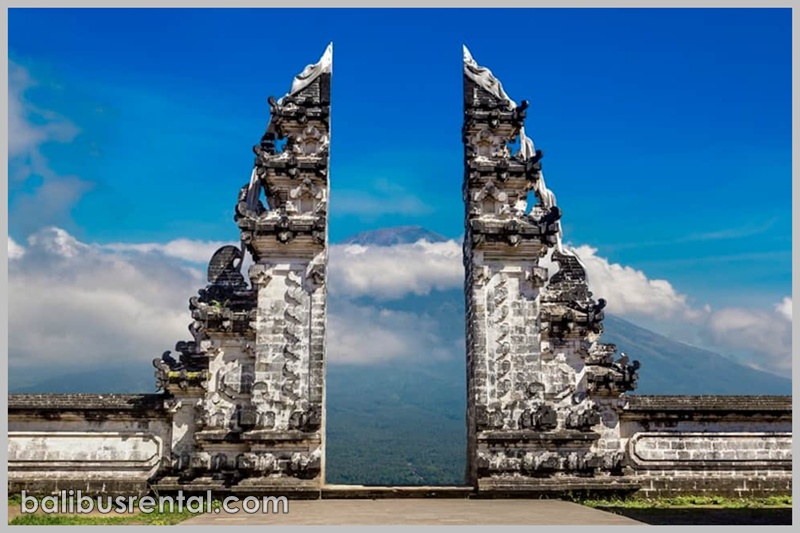
Lempuyang Temple Bali – The Famous Gateway to Heaven
Lempuyang Temple, also known as Pura Lempuyang Luhur, is one of the most famous and sacred Hindu temples in Bali. Located on the slopes of Mount Lempuyang in East Bali, Karangasem Regency, this beautiful temple is renowned for its traditional Balinese architecture, spiritual atmosphere, mountain scenery, and spectacular views of Mount Agung.
The temple has become an iconic tourist destination, particularly because of its famous split gateway, commonly known as the Gate of Heaven (Gates of Heaven Bali). This impressive stone gate creates a stunning photographic view, with the majestic Mount Agung appearing in the background on clear days.
Beyond its popularity as a photography destination, Lempuyang Temple is an important place of worship for Balinese Hindus. It is part of Bali’s Sad Kahyangan Jagad, a group of six major temples believed to protect the island spiritually. Visitors can experience the island’s religious traditions, sacred architecture, and peaceful mountain environment.
Surrounded by lush tropical forests, green hills, and fresh mountain air, Lempuyang Temple offers a different atmosphere from Bali’s busy beaches and southern tourist areas. It is an excellent destination for travelers interested in Balinese culture, spiritual heritage, photography, and sightseeing.
History and Religious Significance of Lempuyang Temple
Lempuyang Temple is considered one of the oldest and most important Hindu temples in Bali. Its name is associated with the words lampu (light) and hyang (God or divine spirit), reflecting its spiritual connection with the divine.
The temple complex is dedicated to Ida Sang Hyang Widhi Wasa, the supreme God in Balinese Hinduism, and is closely associated with the worship of Lord Iswara.
Pura Lempuyang Luhur is the highest and most sacred temple in the larger Lempuyang temple complex. The complex consists of several temples located at different elevations along Mount Lempuyang. Pilgrims traditionally visit a number of these temples as part of a spiritual journey.
For local Hindu communities, the temple is an important place for prayer, purification, religious ceremonies, and offerings. Its peaceful surroundings and elevated location make it one of the most spiritually significant destinations in East Bali.
The Famous Gate of Heaven Bali
One of the main attractions at Lempuyang Temple is the famous Gate of Heaven, a traditional Balinese split gate known as Candi Bentar. The gate is beautifully positioned to frame the landscape, creating a dramatic view of Mount Agung in the distance.
This location has become one of the most photographed places in Bali, attracting visitors from around the world. Many tourists come early in the morning to capture photographs with the temple gate and Mount Agung as the background.
The best photographs are generally possible when the weather is clear and the mountain is not covered by clouds. Early morning visits are popular because the atmosphere is often cooler and visibility may be better.
The Gate of Heaven is also a wonderful place to appreciate Balinese stone carvings, traditional temple design, and the surrounding natural scenery.
Photography tip: The famous mirror-like reflection sometimes seen in photographs is created using a reflective surface held beneath the camera lens. It is not an actual reflecting pool beneath the gate.
Exploring the Lempuyang Temple Complex
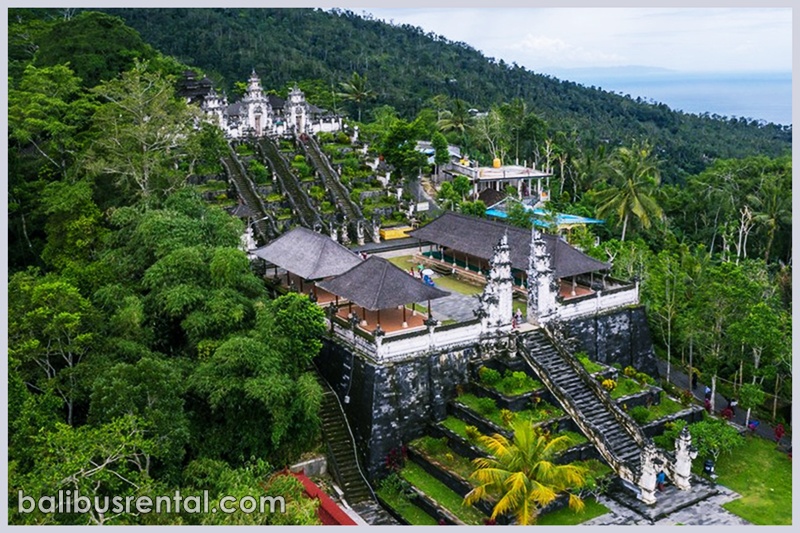
The Lempuyang Temple complex consists of seven temples spread along the slopes of Mount Lempuyang. Each temple has its own religious significance and atmosphere.
The most popular destination is Pura Penataran Agung Lempuyang, where visitors can find the famous Gate of Heaven. However, visitors who want a more adventurous and spiritual experience can continue climbing towards Pura Lempuyang Luhur at the mountain summit.
The journey to the upper temple involves approximately 1,700 steps through tropical forest and several smaller temples. Depending on your physical condition and walking pace, the climb can take around 1.5–2 hours one way.
Along the walking route, visitors can enjoy beautiful natural surroundings, fresh mountain air, birdsong, and occasional views of the East Bali landscape. The upper temple is generally much quieter than the famous photography area below.
Beautiful Balinese Architecture and Temple Staircases
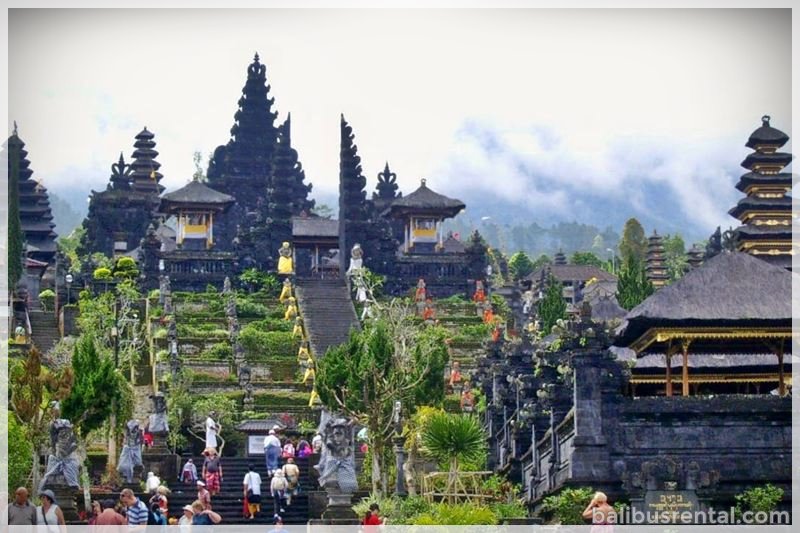
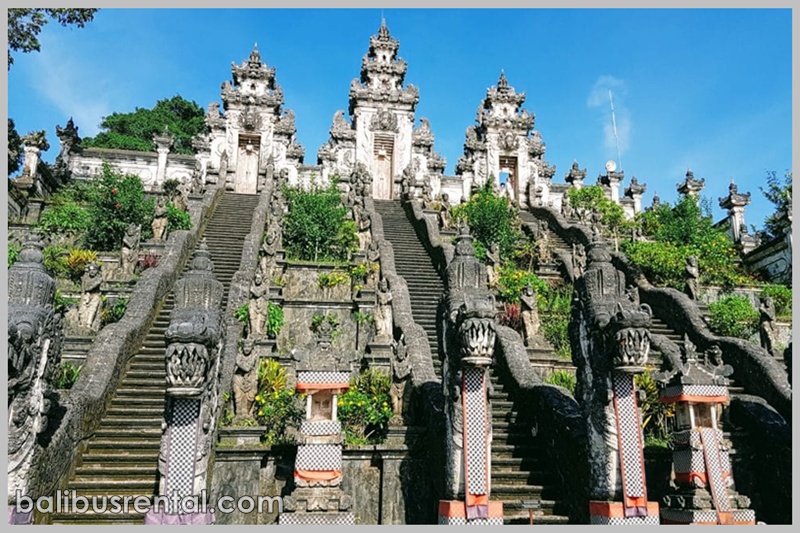
Another attraction of Lempuyang Temple is its traditional Balinese Hindu architecture. The temple features beautifully carved stone structures, traditional split gates, religious statues, shrines, and decorative staircases.
One of its most distinctive features is the large staircase decorated with naga (mythological serpent) sculptures. These impressive carvings represent important elements of Balinese Hindu mythology and add to the temple’s sacred atmosphere.
The temple complex also reflects the traditional Balinese concept of Tri Mandala, which divides sacred spaces into different zones according to their religious functions.
Visitors interested in Balinese culture, architecture, and Hindu traditions will find plenty to appreciate throughout the temple grounds.
Natural Scenery Around Mount Lempuyang
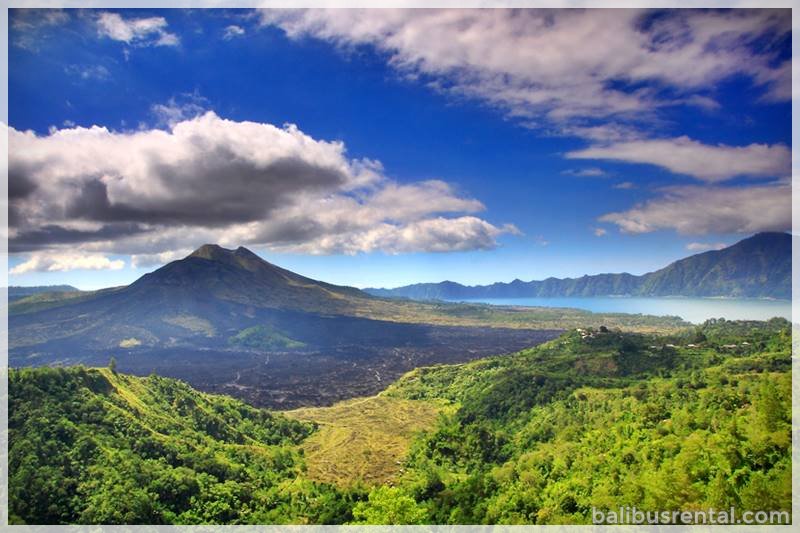
Lempuyang Temple is surrounded by beautiful mountain scenery, tropical vegetation, and green hills. Its elevated position provides a refreshing atmosphere compared with the warmer coastal areas of southern Bali.
On clear days, visitors can enjoy magnificent views of Mount Agung, Bali’s highest volcano, as well as the surrounding countryside of Karangasem.
The mountain environment also creates a peaceful setting for visitors who want to escape busy tourist destinations and experience another side of Bali.
Best Time to Visit Lempuyang Temple
The best time to visit Lempuyang Temple is early in the morning, particularly between sunrise and approximately 8:00 AM.
Early morning visits offer several advantages:
-
Better Mount Agung views: The mountain is often clearer before clouds develop later in the day.
-
Cooler temperatures: Morning weather is more comfortable for walking and climbing the stairs.
-
Photography opportunities: The early light creates beautiful scenery around the Gate of Heaven.
-
Avoiding crowds: Arriving early may help reduce waiting times for photographs.
The dry season, generally from April to October, is often a good period for visiting because outdoor conditions are usually more favorable. However, mountain weather can change quickly, so clear views are never guaranteed.
Dress Code and Temple Rules
Because Lempuyang Temple is an active Hindu place of worship, visitors are expected to respect local religious customs and temple regulations.
Some important rules include:
-
Wear a sarong and sash when entering the temple area. These are generally available at the entrance.
-
Dress modestly and avoid revealing clothing.
-
Do not climb on temple structures, statues, or sacred gates for photographs.
-
Speak politely and avoid making loud noises.
-
Do not disturb people who are praying or participating in religious ceremonies.
-
Follow instructions from temple staff and local guides.
-
Respect restricted areas that are reserved for worshippers.
Certain traditional Balinese religious restrictions also apply to entry into sacred temple areas. Visitors should ask local temple staff about the applicable rules.
How to Get to Lempuyang Temple Bali
Lempuyang Temple is located in East Bali, approximately 80–90 kilometers from Denpasar, depending on the route. The journey from southern Bali generally takes around 2.5–3 hours by car, depending on traffic and your starting location.
The temple is accessible by private car, motorbike, or a Bali car rental service with an experienced local driver.
From popular tourist destinations, approximate driving times are:
-
Amed: 30–40 minutes.
-
Candidasa: 1–1.5 hours.
-
Ubud: 2–2.5 hours.
-
Sanur: 2.5 hours.
-
Kuta and Seminyak: 2.5–3 hours.
-
Nusa Dua: 3 hours.
The final approach involves a winding uphill road towards the temple parking area. Visitors may need to use local shuttle transportation from the designated parking area to reach the temple entrance.
For a comfortable journey, renting a private car with a driver in Bali is a convenient option, especially for families, couples, and small groups who want to explore several East Bali attractions in one day.
Nearby Attractions Around Lempuyang Temple
One advantage of visiting Lempuyang Temple is its location near several other popular attractions in Karangasem. You can combine your temple visit with sightseeing around East Bali.
1. Tirta Gangga Water Palace
A beautiful former royal water palace featuring ornamental ponds, fountains, stepping stones, and tropical gardens.
2. Taman Ujung Water Palace
A historic royal garden with elegant bridges, large pools, traditional Balinese architecture, and beautiful mountain scenery.
3. Amed Beach
A peaceful coastal destination famous for black volcanic sand, traditional fishing boats, snorkeling, and scuba diving.
4. Virgin Beach Bali
A beautiful white-sand beach surrounded by green hills, offering clear water and a relaxing atmosphere.
Why Visit Lempuyang Temple Bali?
Lempuyang Temple is more than just a famous photography destination. It offers an opportunity to discover Bali’s spiritual heritage, traditional Hindu architecture, beautiful mountain landscapes, and local religious traditions.
Whether you visit to photograph the famous Gate of Heaven, admire the magnificent Mount Agung scenery, explore the temple complex, or challenge yourself with the long staircase to the summit, Lempuyang Temple provides a memorable experience in East Bali.
For travelers exploring the island, this destination is highly recommended as part of an East Bali sightseeing tour, together with Tirta Gangga Water Palace, Taman Ujung, and Amed Beach.
Entrance Fee and Visitor Information for Lempuyang Temple
The following are indicative visitor fees published by Indonesia’s official tourism information. Entrance charges and transportation arrangements may change, so check the latest rates at the ticket counter before visiting.
| Visitor information | Indicative price |
|---|---|
| International adult visitor | IDR 100,000 |
| Domestic adult visitor | IDR 50,000 |
| Shuttle transportation | Around IDR 50,000 |
| Car parking | Around IDR 10,000 |
| Motorcycle parking | Around IDR 5,000 |
Opening hours: Generally around 7:00 AM–5:00 PM for tourist visits. Religious worshippers may have different access arrangements.
Location: Purwayu Village, Abang District, Karangasem Regency, East Bali.
Recommended visiting time: 2–3 hours for the lower temple and photography area. Allow considerably longer if you plan to climb to the upper temple.
Note: The shuttle and other charges may be separate from the entrance ticket. Confirm the current arrangements locally