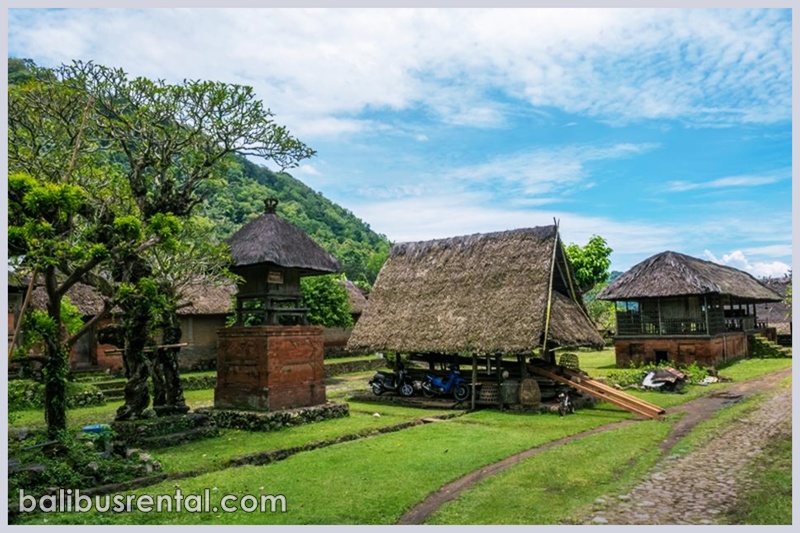
Tenganan Ancient Village Bali – Discover Bali’s Traditional Bali Aga Culture
Tenganan Ancient Village, also known as Tenganan Pegringsingan, is one of the oldest and most culturally distinctive traditional villages in Bali, Indonesia. Located in Karangasem Regency in East Bali, this remarkable village is famous for preserving the customs, architecture, rituals, and way of life of the indigenous Bali Aga people.
Unlike many other Balinese villages that have been influenced by outside cultures over the centuries, Tenganan has maintained many of its ancestral traditions. Visitors can explore traditional houses, ancient village layouts, stone-paved pathways, community pavilions, and local handicraft workshops while learning about a fascinating part of Bali’s cultural heritage.
One of the most interesting attractions in Tenganan is its traditional Geringsing double ikat weaving, a rare textile-making technique that has been carefully preserved by local artisans for generations. The village is also famous for the unique Mekare-kare ritual, also known as the Pandan War, which is performed as part of an important annual cultural ceremony.
For travelers interested in Balinese history, traditional villages, local craftsmanship, and authentic cultural experiences, Tenganan Ancient Village is a wonderful destination to include in an East Bali sightseeing tour.
History of Tenganan Ancient Village
Tenganan is traditionally associated with the Bali Aga people, often described as the indigenous inhabitants of Bali who maintained cultural practices distinct from those of later Hindu-Javanese influences.
According to local traditions, the village has a long history connected with the ancient Kingdom of Bedahulu. Its customs and social organization have developed over many generations, allowing the community to preserve a distinctive cultural identity.
The village follows traditional customary laws known as awig-awig, which regulate community responsibilities, ceremonies, land use, and social relationships. These customary rules continue to play an important role in everyday village life.
Tenganan is particularly interesting because its traditional organization, architecture, and religious practices differ in several ways from those found in other parts of Bali.
Traditional Architecture and Village Layout
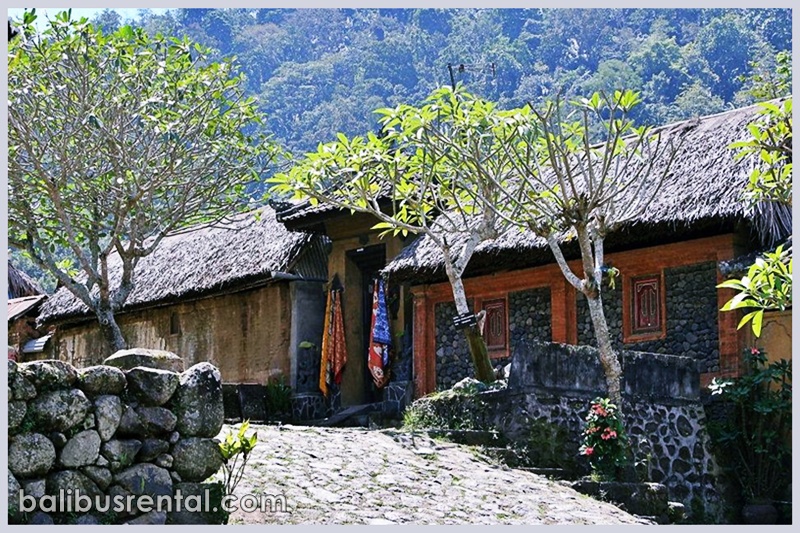
Walking through Tenganan Ancient Village feels like stepping into another period of Balinese history. The village has a distinctive layout with rows of traditional houses arranged along stone-paved pathways and communal spaces.
Traditional homes are built using locally available materials, including stone, earth, bamboo, and timber. Many buildings feature traditional gateways, raised platforms, and open courtyards that reflect the village’s architectural heritage.
The village is organized around shared community areas, where residents gather for meetings, religious ceremonies, and traditional activities. Visitors can observe the relationship between the village’s physical layout and its customary social system.
Unlike modern tourist developments, Tenganan retains a relatively simple atmosphere, offering an opportunity to appreciate the traditional character of rural East Bali.
Geringsing Double Ikat Weaving – Tenganan’s Famous Traditional Textile
One of the main reasons Tenganan is internationally recognized is its Geringsing cloth, a traditional textile produced using the rare double ikat weaving technique.
Double ikat is an intricate process in which both the warp and weft threads are carefully tied and dyed before weaving. Creating the patterns requires considerable skill, patience, and precision.
Geringsing fabrics are traditionally made using natural dyes and distinctive geometric designs, often featuring combinations of red, dark brown or black, and natural cream colors.
In local tradition, Geringsing cloth is believed to possess protective and symbolic qualities. It plays an important role in various ceremonies and traditional occasions, including important stages of community life.
Visitors can explore local weaving workshops, observe traditional textile-making techniques, and purchase authentic handmade Geringsing products directly from local artisans.
Mekare-kare Pandan War Ceremony
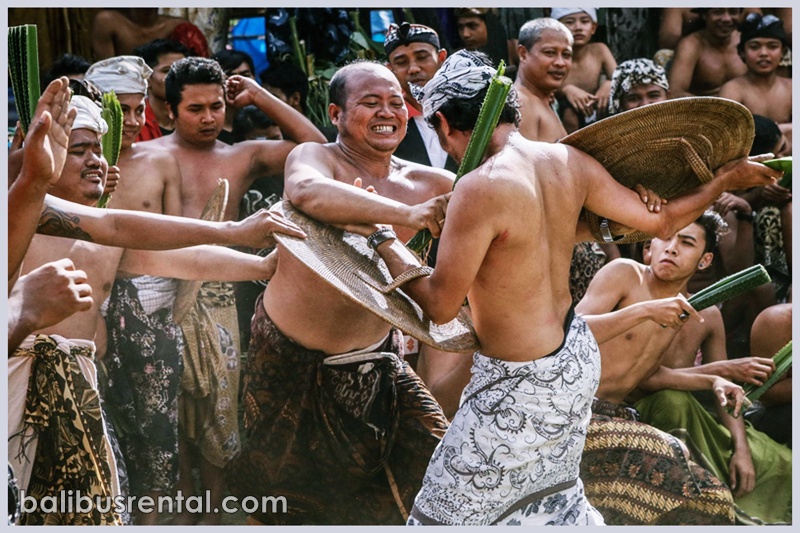
Another famous cultural attraction in Tenganan is Mekare-kare, commonly known as the Pandan War.
This traditional ritual is an important part of the village’s religious and cultural celebrations, particularly the annual Usaba Sambah festival. During the ceremony, male participants engage in a symbolic battle using bundles of thorny pandan leaves as weapons and traditional shields for protection.
Although the activity may look like a real fight, Mekare-kare is a sacred cultural ritual rather than an ordinary competition. It is associated with devotion to the Hindu god Indra, who holds an important place in Tenganan’s traditional belief system.
After the ritual, participants receive traditional treatment for minor scratches and injuries. The ceremony demonstrates the community’s strong connection to ancestral traditions, religious beliefs, and cultural identity.
For visitors interested in Balinese traditions, witnessing Mekare-kare can be an unforgettable cultural experience. The event takes place during specific ceremonial dates, so visitors should check the local schedule before planning their trip.
Traditional Arts and Handicrafts of Tenganan
Besides Geringsing weaving, Tenganan Ancient Village is also known for several traditional handicrafts that reflect the creativity and artistic skills of the Bali Aga community.
Some of the traditional crafts visitors may discover include:
-
Lontar Leaf Engraving: Traditional writing and illustrations created on dried palm leaves using specialized tools.
-
Bamboo Handicrafts: Handmade baskets, decorative objects, and household items produced using traditional bamboo techniques.
-
Traditional Paintings: Artwork depicting Balinese cultural stories, daily village activities, and traditional beliefs.
-
Handwoven Textiles: Locally produced fabrics and traditional clothing featuring distinctive patterns and colors.
These handicrafts provide an opportunity to appreciate the artistic heritage of Tenganan while supporting local families and traditional artisans.
Gamelan Selonding – Traditional Music of Tenganan
Tenganan also preserves a distinctive traditional musical heritage known as Gamelan Selonding. This ancient Balinese musical ensemble consists of bronze instruments that produce distinctive metallic melodies during religious ceremonies and customary celebrations.
Unlike the larger gamelan orchestras commonly heard in other parts of Bali, Selonding has a special cultural significance within the Bali Aga community.
The music is closely associated with traditional rituals and ceremonies, including Mekare-kare. It represents an important part of the village’s spiritual identity and cultural inheritance.
Natural Scenery Around Tenganan Village
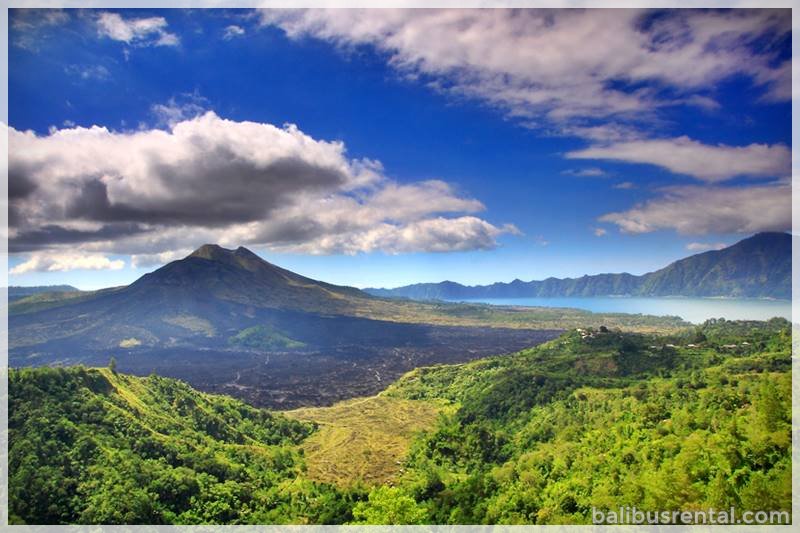
Apart from its cultural attractions, Tenganan Pegringsingan is surrounded by beautiful natural scenery. The village lies between green hills and areas of traditional farmland, creating a peaceful atmosphere away from Bali’s busy southern tourist destinations.
Visitors can enjoy views of tropical vegetation, rice fields, traditional gardens, and surrounding hills while exploring the village.
For travelers who enjoy outdoor activities, the surrounding countryside also offers opportunities for walking and trekking. Some routes pass through customary forests, agricultural land, and elevated areas with attractive views of the East Bali landscape.
Location of Tenganan Ancient Village Bali
Tenganan Pegringsingan is situated in Manggis District, Karangasem Regency, East Bali. The village is approximately 5 km from Candidasa, 17 km from Amlapura, and around 65 km from Denpasar.
Its location makes Tenganan an excellent cultural destination to combine with other popular East Bali attractions.
Nearby destinations include:
-
Candidasa Beach – A peaceful coastal area with seaside restaurants and accommodation.
-
Tirta Gangga Water Palace – A beautiful royal water garden featuring fountains, ponds, and stepping stones.
-
Taman Ujung Water Palace – A historic royal complex surrounded by gardens and water pools.
-
Virgin Beach – A scenic white-sand beach with clear water.
-
Lempuyang Temple – A famous mountain temple known for its iconic Gate of Heaven.
How to Get to Tenganan Ancient Village
The easiest way to visit Tenganan Ancient Village is by private car or rental vehicle with a driver. The journey allows visitors to enjoy the beautiful countryside and explore several attractions along the East Bali route.
Approximate driving times include:
-
From Candidasa: 10–15 minutes.
-
From Amlapura: 25–35 minutes.
-
From Ubud: 1.5–2 hours.
-
From Sanur: 1.5–2 hours.
-
From Kuta: 2–2.5 hours.
-
From Ngurah Rai International Airport: 2–2.5 hours.
Travel times depend on traffic conditions and the selected route.
For a comfortable sightseeing experience, visitors can arrange a Bali private car charter with an experienced local driver. This is particularly convenient when combining Tenganan with Tirta Gangga, Taman Ujung, Candidasa, and other East Bali attractions.
Best Time to Visit Tenganan Ancient Village
Tenganan can be visited throughout the year. However, the morning is generally a pleasant time to explore the village because the weather is usually cooler and the atmosphere is relatively peaceful.
If you want to experience the famous Mekare-kare Pandan War ceremony, consider visiting during the annual Usaba Sambah festival. The exact ceremonial dates follow the traditional village calendar and vary each year.
It is advisable to check the festival schedule with the local village authorities before arranging your visit.
Travel Tips for Visiting Tenganan Village
To enjoy your visit to Tenganan Ancient Village, consider the following tips:
-
Wear Comfortable Clothing: Lightweight clothing and comfortable walking shoes are recommended when exploring the traditional village.
-
Respect Local Customs: Tenganan is an active traditional community, so visitors should respect local regulations and religious practices.
-
Ask Before Taking Photographs: Always request permission before photographing residents, private homes, or religious ceremonies.
-
Explore Local Handicrafts: Take time to discover authentic Geringsing textiles and other handmade products.
-
Bring Cash: Small cash denominations are useful for donations, local purchases, and refreshments.
-
Hire a Local Guide: A knowledgeable local guide can explain the village’s history, customary laws, traditional architecture, and cultural ceremonies.
Why Visit Tenganan Ancient Village Bali?
Tenganan Pegringsingan offers a different kind of Bali tourism experience. Instead of modern attractions, beach clubs, and shopping centers, this traditional village introduces visitors to the island’s indigenous heritage and centuries-old customs.
Its distinctive Bali Aga culture, rare Geringsing double ikat textiles, traditional architecture, Gamelan Selonding music, and Mekare-kare Pandan War ceremony make it one of the most interesting cultural destinations in East Bali.
Whether you are interested in history, photography, traditional crafts, or Balinese culture, visiting Tenganan Ancient Village provides a memorable opportunity to discover another side of the Island of the Gods.
Tenganan Ancient Village is highly recommended for travelers exploring East Bali, especially those who want to learn more about the island’s traditional communities and cultural heritage.
Entrance Fee and Visitor Information
Tenganan Pegringsingan is a living traditional village that welcomes visitors interested in its cultural heritage.
-
Entrance Fee: Visitors are generally asked to make a voluntary donation or community contribution.
-
Opening Hours: Commonly listed as approximately 7:00 AM–6:00 PM. Confirm locally before visiting.
-
Recommended Visit Duration: Approximately 1–2 hours.
-
Activities: Village sightseeing, traditional weaving demonstrations, handicraft shopping, photography, and cultural experiences.
-
Facilities: Parking area, public toilets, local shops, and visitor facilities.
The donation amount and available cultural activities may vary. Bring some cash for donations and purchases.